US Military Strikes Alleged Drug Boats in Eastern Pacific, Five Killed
The US military conducted strikes on alleged drug boats in the eastern Pacific in early September, resulting in the deaths of five individuals, including survivors and members of Tren de Aragua.
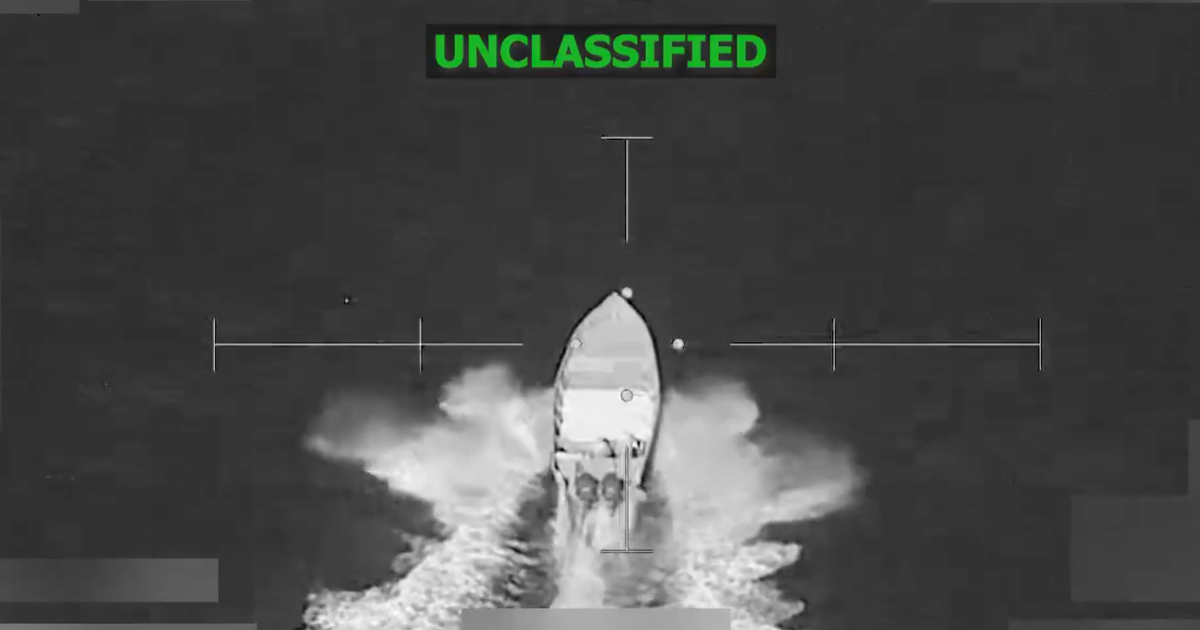
 CBS News
U.S. strikes 2 more alleged drug boats in Pacific, bringing total death count to over 100

 Newsweek
Death toll from US strikes on alleged drug boats passes grisly milestone
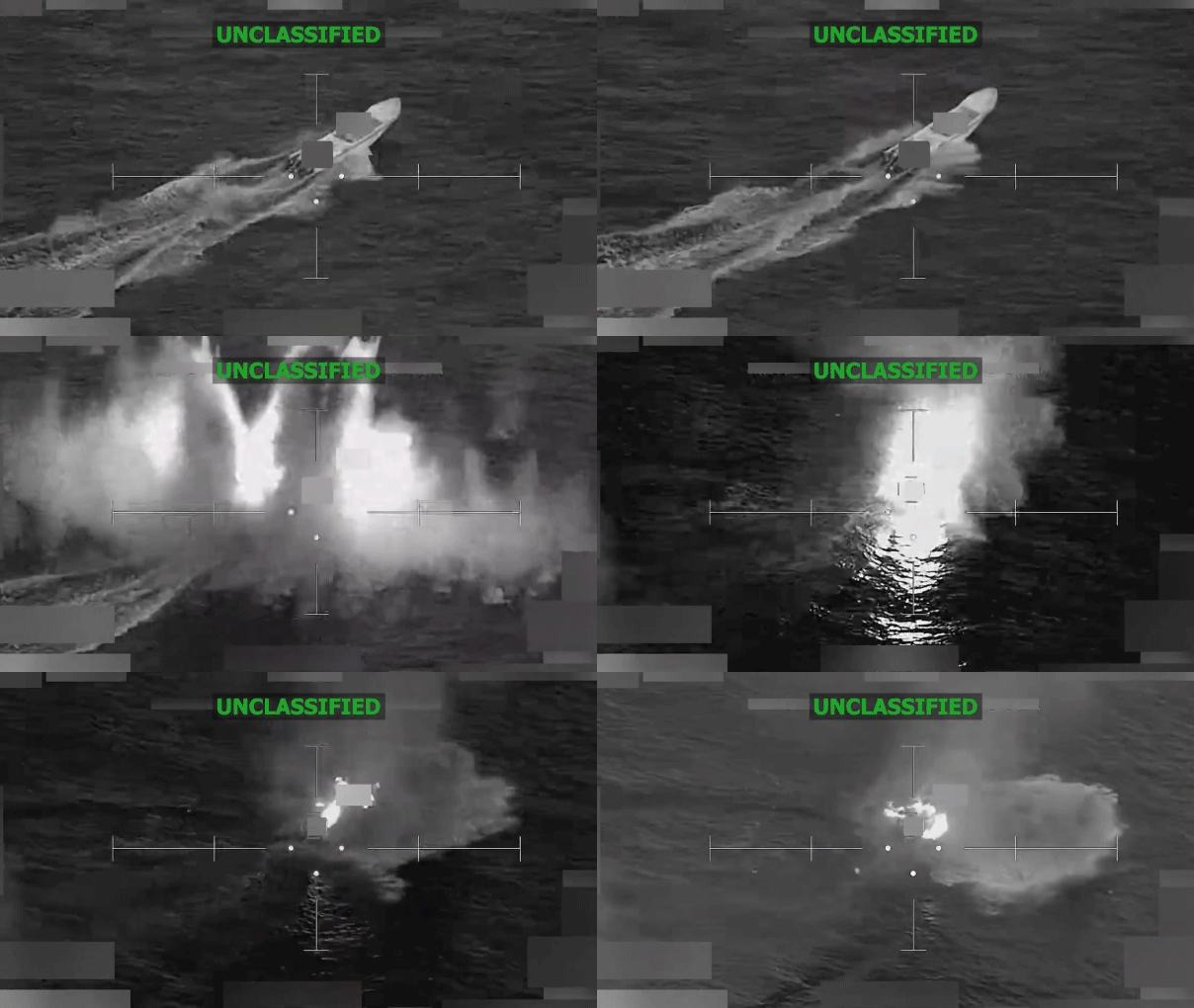
 FOX News
US military strikes narco-terrorist vessels in latest Eastern Pacific drug trafficking operation
 Associated Press
US military says 2 strikes on alleged drug boats kill 5 in eastern Pacific
Overview
The United States military carried out targeted strikes against suspected drug trafficking vessels operating in the eastern Pacific Ocean during early September.
These military operations resulted in the confirmed deaths of a total of five individuals involved with the alleged drug boats.
Among those killed were individuals found clinging to wreckage after the strikes, indicating the severity of the engagement.
The deceased also included members identified as belonging to the Tren de Aragua, a criminal organization, linking the operation to specific cartel activities.
The strikes were part of ongoing efforts by the US military to disrupt and dismantle international drug trafficking networks operating in critical maritime routes.
Analysis
Center-leaning sources frame this story by emphasizing the "grisly milestone" of deaths and the "growing criticism" surrounding the Trump administration's anti-drug operations. They highlight concerns about transparency, legality, and the lack of congressional authorization, consistently presenting the operations under a lens of scrutiny and potential overreach.
FAQ
U.S. officials have described the strikes as targeting suspected drug-trafficking vessels and have linked some personnel to criminal groups, but publicly released detailed evidence (such as seized narcotics, intercepted communications, or forensic proof) has been limited in initial reports; independent verification and full evidentiary disclosures have not been published in the sources summarized here.[1]
Reports state five people were killed in the early-September eastern Pacific strikes and that some deceased were identified as members of Tren de Aragua, a Venezuelan criminal organization; names and full identities were not detailed in the summary available here.[1]
Officials have framed the strikes as part of U.S. efforts to disrupt maritime drug trafficking and have asserted they were conducted within applicable authority, but the public reporting summarized here does not provide the specific legal memorandum or statutory basis; detailed legal justifications (e.g., self-defense, UN Convention on the Law of the Sea interpretations, or specific authorizations) were not included in the available source.[1]
Reports note individuals were found clinging to wreckage after the strikes, indicating survivors or those attempting to survive were present, but the summarized reporting confirms five deaths and does not provide full details on rescues, recovery operations, or the fate of any additional survivors.[1]
The strikes are described as part of ongoing U.S. military efforts to disrupt international drug-trafficking networks on key maritime routes, including earlier and subsequent strikes in the Caribbean and eastern Pacific as part of operations against groups the U.S. has designated as narcoterrorists or trafficking organizations.[1]