US Military Launches Extensive Retaliatory Strikes Against ISIS in Syria
The US military launched extensive retaliatory airstrikes against ISIS targets in Syria, including fighters and infrastructure, after an attack killed three Americans.
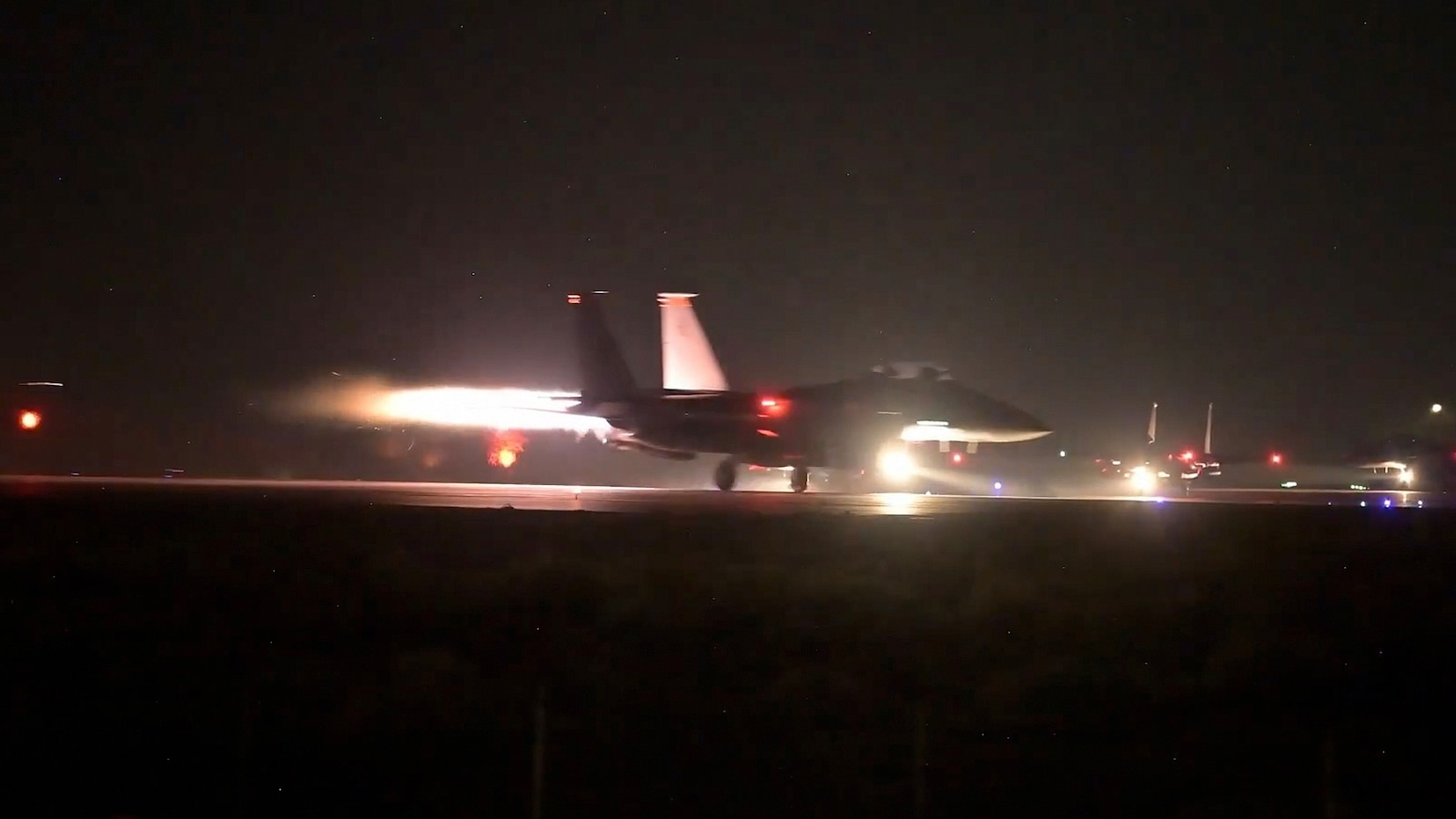
 ABC News
US launches retaliatory strikes in Syria on dozens of ISIS targets
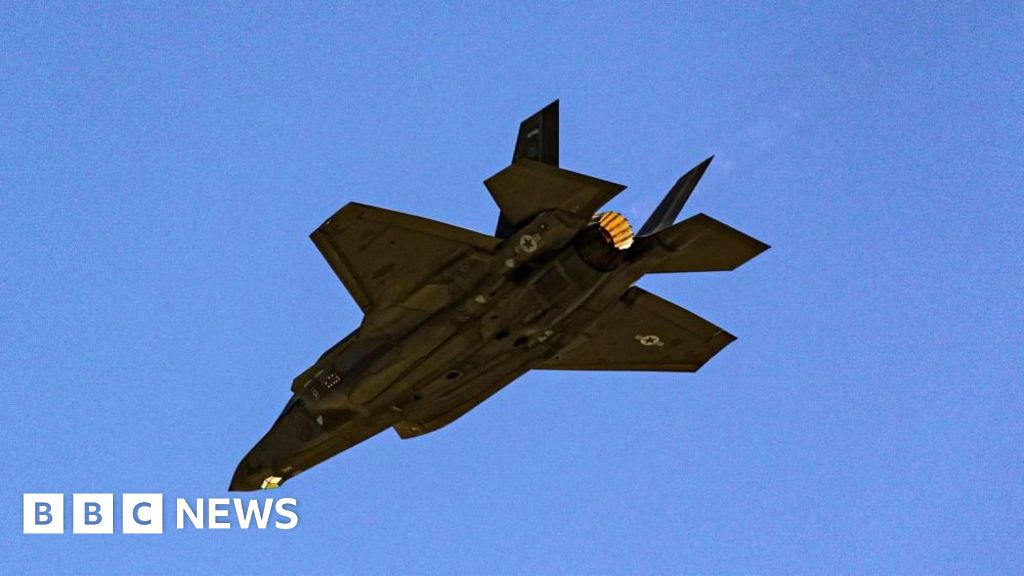
 BBC News
US carries out 'massive' strike against IS in Syria
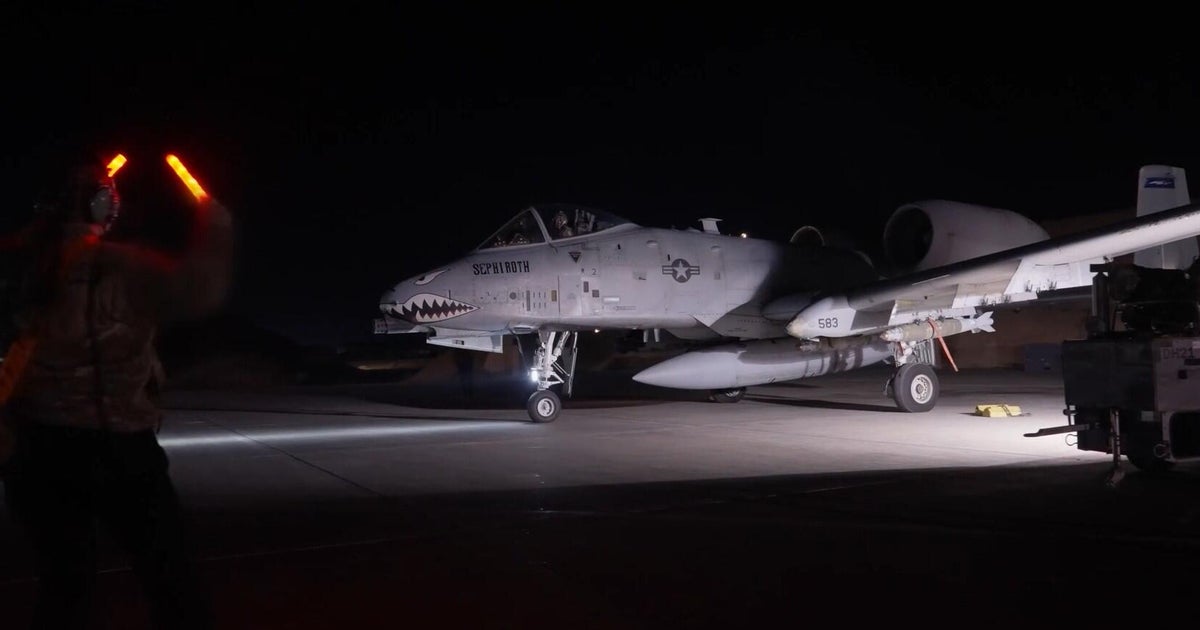
 CBS News
U.S. strikes ISIS targets in Syria, after 2 soldiers and interpreter were killed last week

 The Blaze
US military attacks dozens of ISIS targets in Syria in retaliation for killing of 2 US troops, Hegseth says
Overview
The US military launched "Operation Hawkeye Strike" in Syria, conducting retaliatory airstrikes against ISIS targets after an ambush killed two U.S. troops and an American civilian interpreter.
These large-scale strikes, involving F-15s, A-10s, and Apaches, hit over 70 ISIS targets in central Syria, including rural areas of Deir ez-Zor and Raqqa provinces.
The operation aimed to eliminate ISIS fighters, destroy their infrastructure, and target weapons sites in response to the fatal attack on American personnel.
President Trump vowed strong retaliation, and Defense Secretary Pete Hegseth declared the attack an act of vengeance, emphasizing the US commitment to defending its people.
Since the attack, U.S. Central Command and Syrian forces have conducted 10 operations in Syria and Iraq, resulting in the death or detention of 23 terrorist operatives.
Analysis
Center-leaning sources cover this story neutrally by focusing on factual reporting of events and attributing all strong or evaluative language directly to officials. They prioritize conveying the details of the U.S. military strikes and the preceding attack without injecting editorial bias. This approach allows readers to form their own conclusions based on the reported information.
FAQ
Operation Hawkeye Strike was launched after an ambush by ISIS that killed two U.S. soldiers (members of the Iowa National Guard) and an American civilian interpreter, and wounded additional U.S. personnel, prompting U.S. leaders to order retaliatory strikes.
The U.S. used fighter jets (including F-15s and F-16s), A-10s, attack helicopters (Apaches), and artillery to strike over 70 ISIS targets in central Syria, hitting fighters, weapons sites and infrastructure in Deir ez-Zor and Raqqa areas.
The stated objective was to eliminate ISIS fighters, destroy their infrastructure and weapons sites in retaliation for the ambush; U.S. Central Command and allied forces have conducted multiple operations in Syria and Iraq since the attack, reporting the death or detention of 23 terrorist operatives.[2]
President Trump vowed strong retaliation and Defense Secretary Pete Hegseth called the operation an act of vengeance, emphasizing the U.S. commitment to defend its personnel and punish those responsible for the ambush.
Strikes targeted rural areas of Deir ez-Zor and Raqqa provinces in central Syria; reports indicate the U.S. said it was working "hand in hand" with Syrian forces in counter-ISIS efforts, though details about coordination or direct involvement were not fully specified in the cited reports.
