Alaa Abd El-Fattah Returns to UK After Egypt Lifts Travel Ban
Alaa Abd El-Fattah returned to the UK after Egypt lifted a travel ban, with UK campaigns for his release amid scrutiny of his past posts.
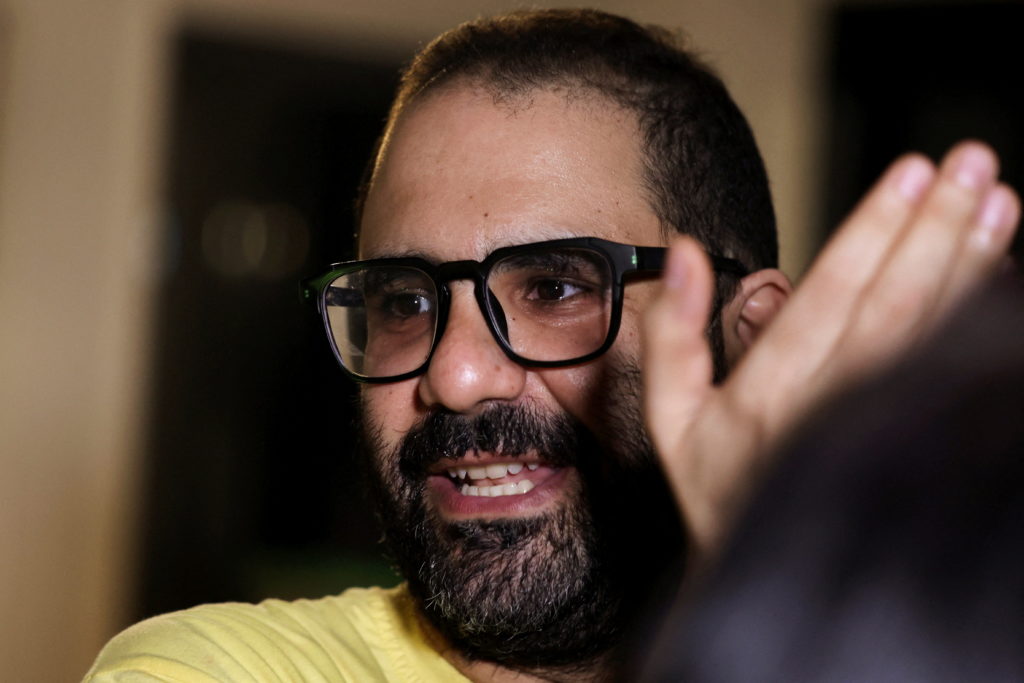
 PBS NewsHour
UK opposition leaders demand activist be stripped of citizenship for past tweets
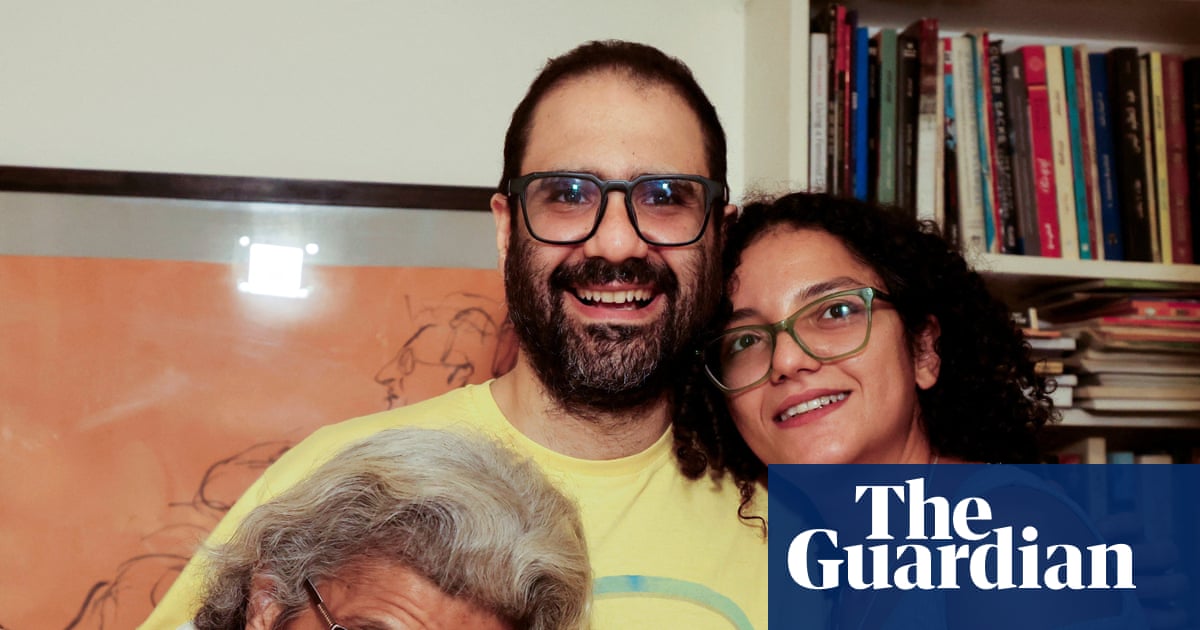
 The Guardian
No 10 defends campaign to release Abd el-Fattah despite his ‘abhorrent’ tweets
 The Guardian
Abd el-Fattah citizenship row shows shift on questions of national identity

 Al Jazeera
UK MPs dig up decade-old tweets to demand rights activist lose citizenship
Overview
Alaa Abd El-Fattah, a prominent activist and dual citizen, returned to the United Kingdom after Egypt lifted his travel ban, reuniting with his UK-based family.
Laila Soueif's 10-month hunger strike drew international attention, highlighting UK campaigns for her son's release and intensifying scrutiny of the government's human-rights stance.
The UK Prime Minister faced criticism for celebrating the activist's return, despite past violent and antisemitic social-media posts being circulated during coverage of his arrival at Heathrow.
British governments have long campaigned for Abd el-Fattah's release, citing extended imprisonment linked to opposition to President Abdel-Fattah el-Sisi and concerns about political trials in Egypt.
Critics circulated Abd el-Fattah's past posts endorsing violence against Zionists and police, while his press team did not respond to requests for comment, leaving questions about authenticity.
Analysis
Center-leaning sources frame this story by balancing the celebration of Alaa Abd el-Fattah's release with the controversy over his past tweets. They use neutral language to report the facts, but emphasize the criticism from political figures and the government's condemnation of his past statements. This framing highlights the complexity of supporting human rights while addressing problematic past behaviors.
FAQ
Alaa Abd El-Fattah is a British-Egyptian activist, writer, and programmer, prominent in Egypt's 2011 uprising, repeatedly imprisoned for dissent against President Abdel-Fattah el-Sisi.
Egypt lifted the travel ban after his removal from the terrorist list in July by a Cairo court, following pressure from his mother Laila Soueif's 10-month hunger strike, UK government interventions, and international advocacy.
Arrested in 2019 for spreading false news and terrorism links, sentenced to five years in 2021; should have been released in September 2024 but detained longer until freed in September 2025 after partial legal relief.
UK critics, including Robert Jenrick, highlighted past social media posts allegedly endorsing violence against Zionists and police, questioning government celebration despite these amid human rights campaigns.
UK officials, including Prime Minister Keir Starmer raising the case with President Sisi multiple times and David Lammy welcoming his return, prioritized diplomatic efforts leading to his prison release and travel ban lift.
