Kennedy Center Governance Under Scrutiny After Trump’s Board Overhaul
The Kennedy Center, founded in 1971 as a memorial to JFK, faces scrutiny after President Trump replaced its board with loyalists and named himself chairman.

 New York Daily News
Greene: By hijacking Kennedy Center, Trump shows he’s the real ‘little man behind the curtain’
 New York Daily News
‘Wicked’ composer Stephen Schwartz becomes latest artist to boycott Kennedy Center
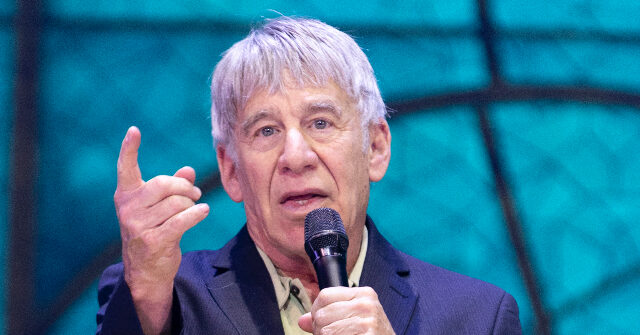
 Breitbart News
'Wicked' Composer Stephen Schwart Boycotts Kennedy Center After Name Change, Calling It 'Political'

 PBS NewsHour
Diplomats from China, Cambodia and Thailand meet as Beijing seeks a stronger mediating role
Overview
In Washington, D.C., in 2025, President Trump replaced the Kennedy Center's board with loyalists, appointing himself chairman and triggering questions about governance and institutional independence.
The move sparked immediate public debate and media coverage over potential politicization of a cultural institution intended to memorialize a nonpartisan legacy.
Critics warn that changing leadership risks compromising JFK's legacy and the Center's mission to remain nonpartisan in programming, fundraising, and artistic partnerships.
Supporters contend the appointments could bring renewed leadership, efficiency, and better alignment with presidential priorities, potentially improving operations and fundraising for future programming.
Observers say further debate and monitoring are likely, with potential legal challenges and scrutiny of the Center's governance and its ability to honor JFK's legacy.
Analysis
Analysis unavailable for this viewpoint.
FAQ
The bylaws were revised in May to limit voting rights to presidentially appointed trustees only, excluding ex officio members designated by Congress from voting or counting toward a quorum.
