Myanmar Holds Three-Phase Election Amid Civil War and Military Rule
Myanmar conducts its general election in five years amid civil war and military rule after the 2021 coup, staged in three phases with polling stations prepared.

 BBC News
War-torn Myanmar voting in widely criticised 'sham' election

 Al Jazeera
Polls close in Myanmar as military holds first election since 2021 coup
 The Guardian
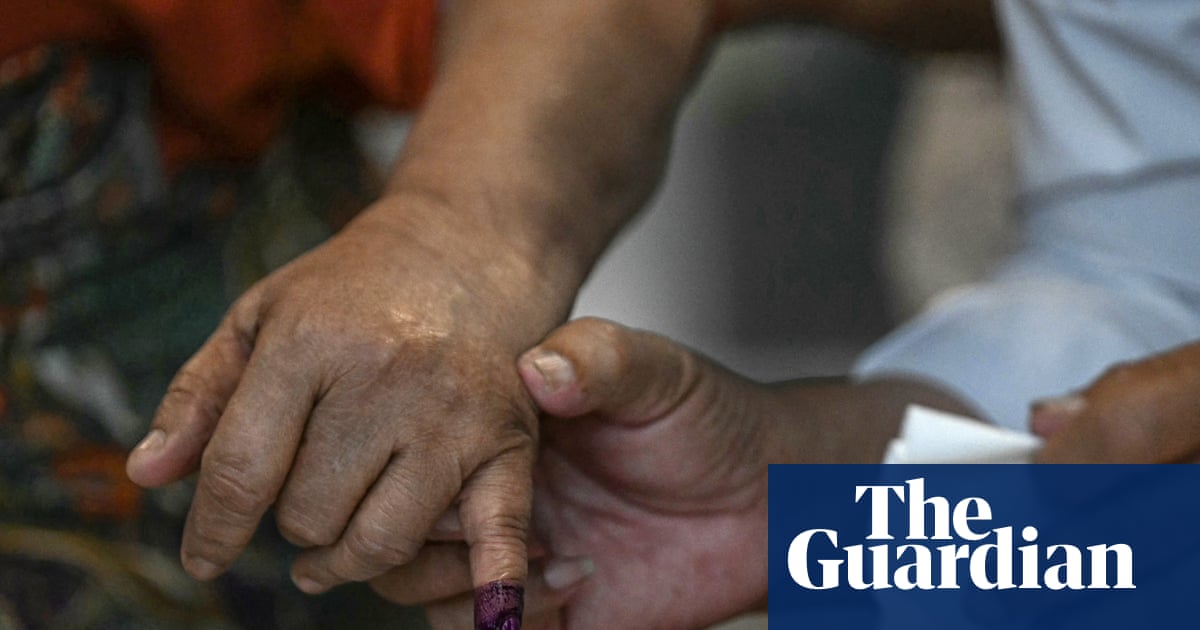
Myanmar elections: voting begins under junta stranglehold with Aung San Suu Kyi banned
 ABC News
Polls open for military-ruled Myanmar's first election in 5 years
Overview
The vote will be staged in three phases, with Phase two on January 11 and Phase three on January 25, despite ongoing fighting and displacement in contested areas.
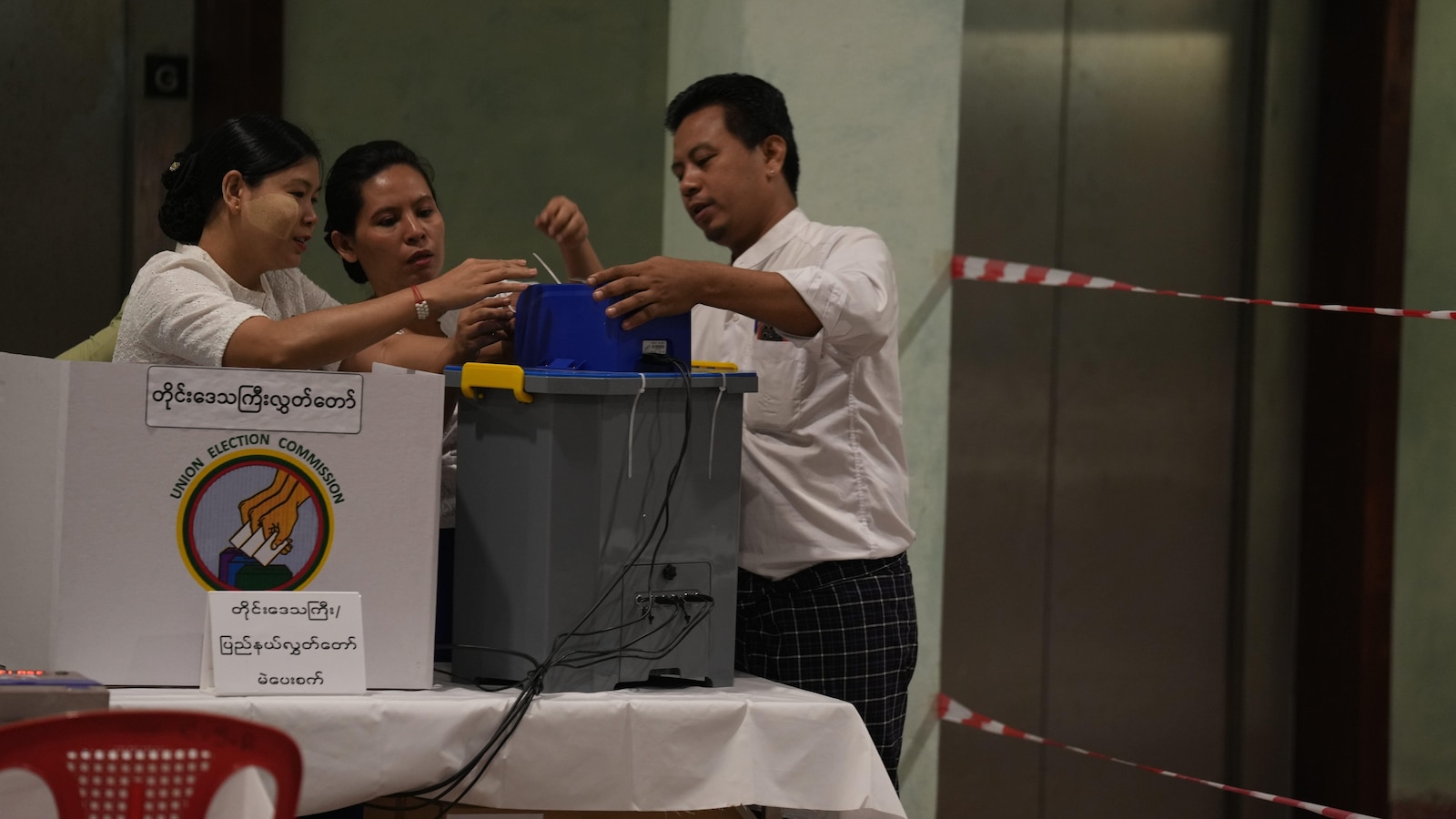
Polling stations have been prepared by the Union Election Commission, with Yangon workers setting up electronic voting machines at a school repurposed as a polling site.
Rights groups, the UN, and opposition say the process lacks freedom and credibility, with bans on opposition parties and coercive tactics to ensure turnout.
The military's portrayal of elections as a return to democracy faces scrutiny as the NLD remains dissolved and Aung San Suu Kyi remains detained.
Human rights groups and the UN report over 22,000 political detainees and more than 7,600 killed since 2021, with final results expected late January to February.
Analysis
Center-leaning sources frame the Myanmar election story by highlighting the skepticism surrounding the military's claims of a 'free and fair' election. They emphasize the junta's control over the election process, the exclusion of opposition parties, and the international condemnation, particularly from Western governments. The narrative suggests the election is a strategic move by the military to maintain power rather than a genuine democratic effort.
FAQ
The first phase was held on December 28, 2025, the second phase is scheduled for January 11, 2026, and the third phase for January 25, 2026.[1]
The election uses a Mixed-Member Proportional (MMP) system combining First-Past-the-Post and Proportional Representation, along with Myanmar Electronic Voting Machines.
They claim it lacks freedom and credibility due to bans on opposition parties like the NLD, coercive tactics, over 22,000 political detainees, and ongoing civil war in contested areas.[Story]
21,517 polling stations nationwide; first phase covers 102 townships, second 100, with some areas skipped due to conflict.[1]
Aung San Suu Kyi remains detained, and the NLD is dissolved, banned from participating under new electoral laws.[Story]