US escalates airstrikes against ISIS in Nigeria amid security threats
The U.S. and Nigeria conducted coordinated airstrikes against Islamic State targets in northeast Nigeria, amid President Trump's threats of action and efforts to curb militancy.
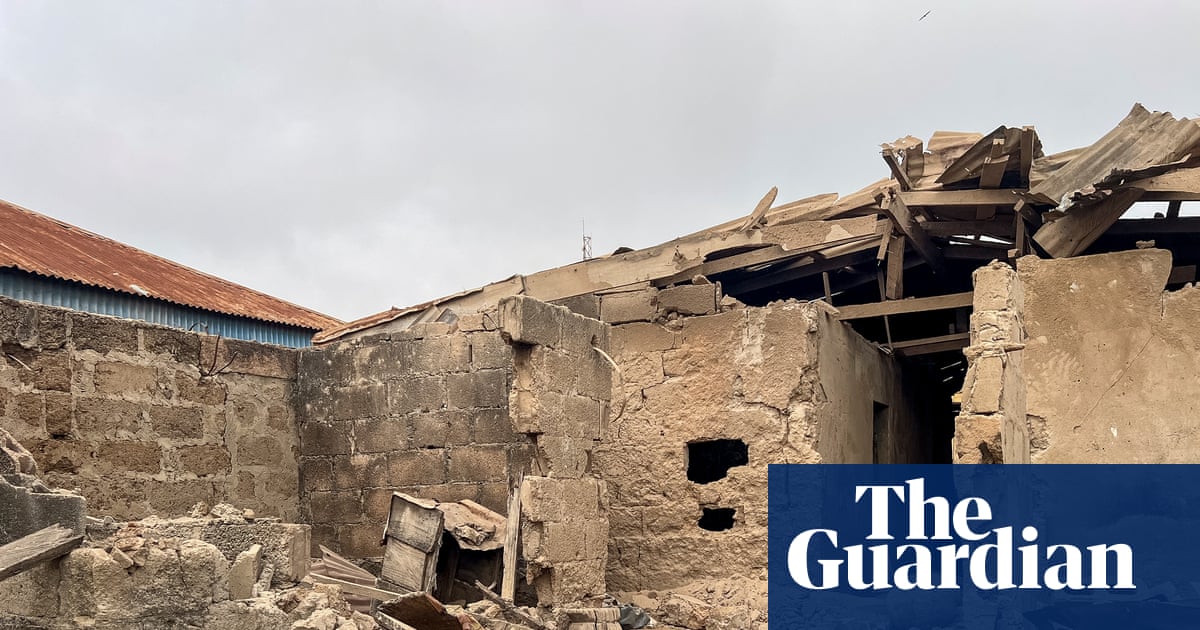
 The Guardian
US strikes on Nigeria and Syria are ‘consistent’ with policy to combat IS, Republican says
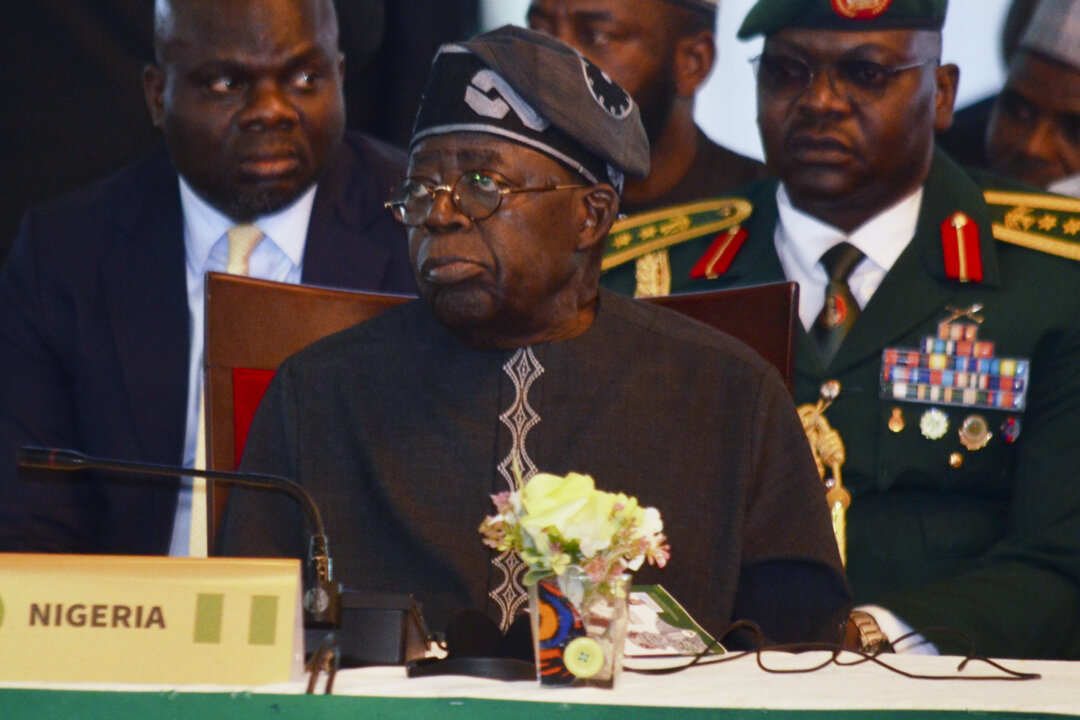
 Epoch Times
Nigeria Emphasizes Cooperation With US Amid Strikes on ISIS
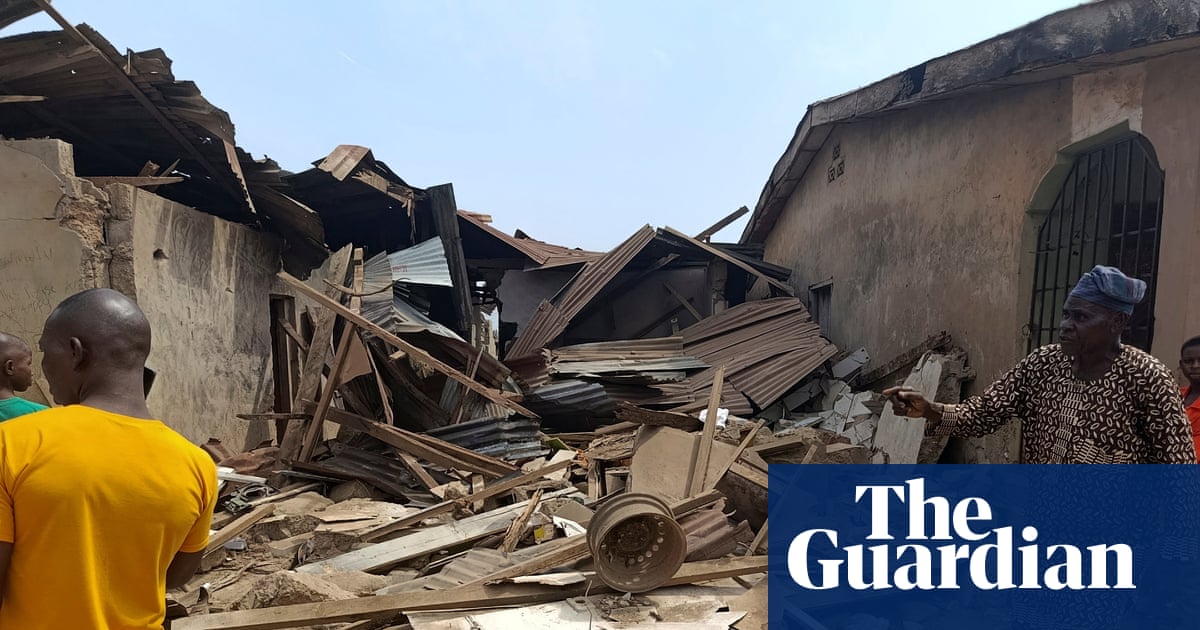 The Guardian
Trump supporters hail US strikes in Nigeria as ‘amazing Christmas present’

 TIME Magazine
US Strikes ISIS in Nigeria on Christmas Day
Overview
The United States, coordinating with Nigerian officials, carried out airstrikes against Islamic State affiliates in northeast Nigeria, part of a joint campaign aimed at degrading militant capabilities.
The operation reflects broader U.S.-Nigeria cooperation on intelligence and strategic coordination to counter militant groups amid threats from multiple IS-linked factions.
Security officials noted that Lakurawa and ISWAP affiliates operate across border areas near Sokoto and Kebbi, exploiting terrain and governance gaps to expand influence.
The attacks, including a mosque bombing killing five and wounding 35, illustrate ongoing Islamist insurgent violence with implications for Christians and Muslims.
Analysts caution that hostages and civilian targets complicate airstrikes and highlight the need for sustained security presence as poverty and unemployment fuel recruitment.
Analysis
Center-leaning sources frame the story by emphasizing the complexity of Nigeria's security crisis, highlighting both the military and governance challenges. They use neutral language, avoiding loaded terms, and present multiple perspectives, including those of local analysts and international experts. The narrative suggests a balanced view, focusing on the broader geopolitical implications and the necessity of international cooperation.
FAQ
The airstrikes occurred on December 25-26, 2025, targeting Islamic State militants in northwest Nigeria, specifically two IS camps in the Bauni forest in Tangaza, Sokoto State.
The strikes involved over a dozen Tomahawk missiles fired from a US Navy warship, likely the USS Paul Ignatius, in the Gulf of Guinea, and 16 munitions from MQ-9 Reaper drones.
The strikes followed President Trump's threats to cut foreign aid unless Nigeria acted strongly against ISIS and violence against Christians, after incidents like a church shooting killing 2 and the kidnapping of 303 schoolchildren and 12 teachers by ISIS splinter groups.
Nigerian officials confirmed the strikes were conducted jointly at their request, described them as precision hits based on credible intelligence, and emphasized ongoing security cooperation with the US to counter terrorism.
Lakurawa and ISWAP (Islamic State West Africa Province) affiliates operate across border areas near Sokoto and Kebbi, exploiting terrain and governance gaps.