Kosovo gears up for snap election after deadlock
Kosovo moves to a snap election after the Self-Determination party failed to form a government, extending a deadlock that jeopardizes budget approval and accession progress.
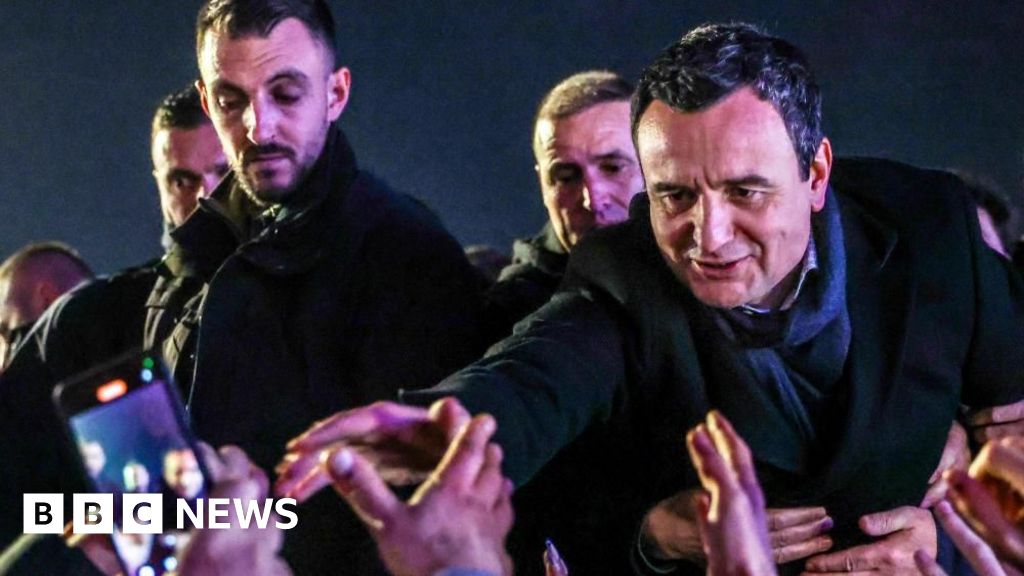
 BBC News
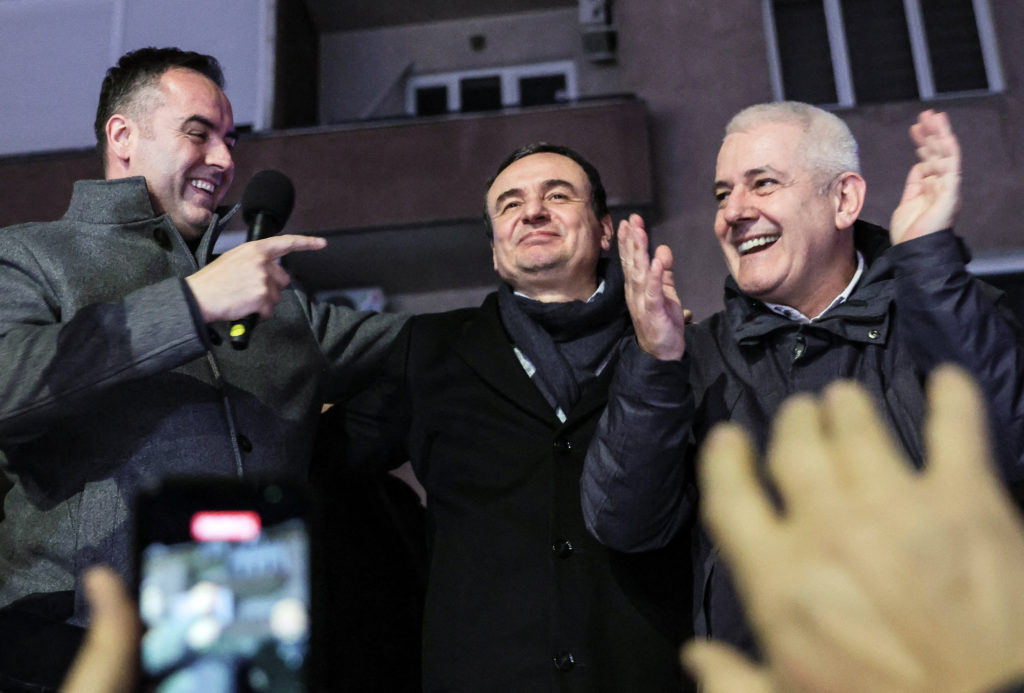
Kosovo's ruling party wins election after months of political deadlock
 PBS NewsHour
Preliminary results show Kosovo Prime Minister Kurti's party won snap vote with clear margin
 Associated Press
Preliminary results show Prime Minister Kurti's party won Kosovo snap vote convincingly
Associated PressKosovo heads to a snap vote to end political deadlock
Overview
In Kosovo, the Self-Determination party, though winning the most votes, failed to form a government, triggering a snap election and extending a political deadlock.
Kosovo's government formation stalemate is the first since declaring independence after the 1998-99 conflict, highlighting ongoing tensions in politics and relations with Serbia.
Failing to approve next year's budget threatens the economy, with persistent poverty and weak fiscal planning weighing on Kosovo's prospects and public services.
Western powers have responded with punitive measures in response to unspecified actions, underscoring continued pressure from the EU and United States over Kosovo's political trajectory.
The election is also tied to leadership plans, as lawmakers prepare to elect a new president in March when President Vjosa Osmani's term ends in early April.
Analysis
Center-leaning sources frame the story by emphasizing the electoral success of Prime Minister Kurti's party while highlighting the challenges ahead. Language choices like "convincingly won" and "biggest victory" underscore the electoral triumph. However, the narrative also stresses political deadlock, economic concerns, and international tensions, presenting a balanced view of optimism and caution. The structural choice to juxtapose Kurti's victory with ongoing challenges suggests a narrative of cautious progress.
FAQ
The party (Vetevendosje) won the largest share of seats but could not secure enough coalition partners to reach a majority in the 120-seat Assembly, with disagreements between parties over cabinet posts, policy direction, and representation of minority and Serb deputies blocking formation of a government.[1]
The failure to form a government risks delaying or preventing approval of next year’s budget, which could disrupt public spending, slow wage and pension payments, and constrain funding for healthcare and social services—exacerbating existing fiscal weakness and poverty concerns noted in Kosovo.[1]
Western governments have already applied punitive measures tied to Kosovo’s political moves; a prolonged crisis or policies that antagonize Serbia or Western partners could prompt further pressures that complicate EU accession prospects and bilateral talks with Serbia.[1]
President Vjosa Osmani’s term ends in early April; lawmakers must elect a new president in March, so a functioning parliament and government are needed before then—hence the snap election aims to resolve the institutional deadlock ahead of the presidential vote.[1]
This stalemate is described as the first of its kind since Kosovo declared independence after the 1998–99 conflict, making it notable because it highlights unresolved political polarization and institutional fragility in the country’s post-independence governance.[1]