Reciprocal Travel Bans Heighten U.S.–West Africa Tensions After Expanded U.S. Restrictions
Mali and Burkina Faso reciprocally barred U.S. citizens after President Trump's travel restrictions on 20 countries, citing armed-group attacks and worsening regional insecurity and instability.

 CNN
CNNMali and Burkina Faso announce reciprocal travel ban on US citizens
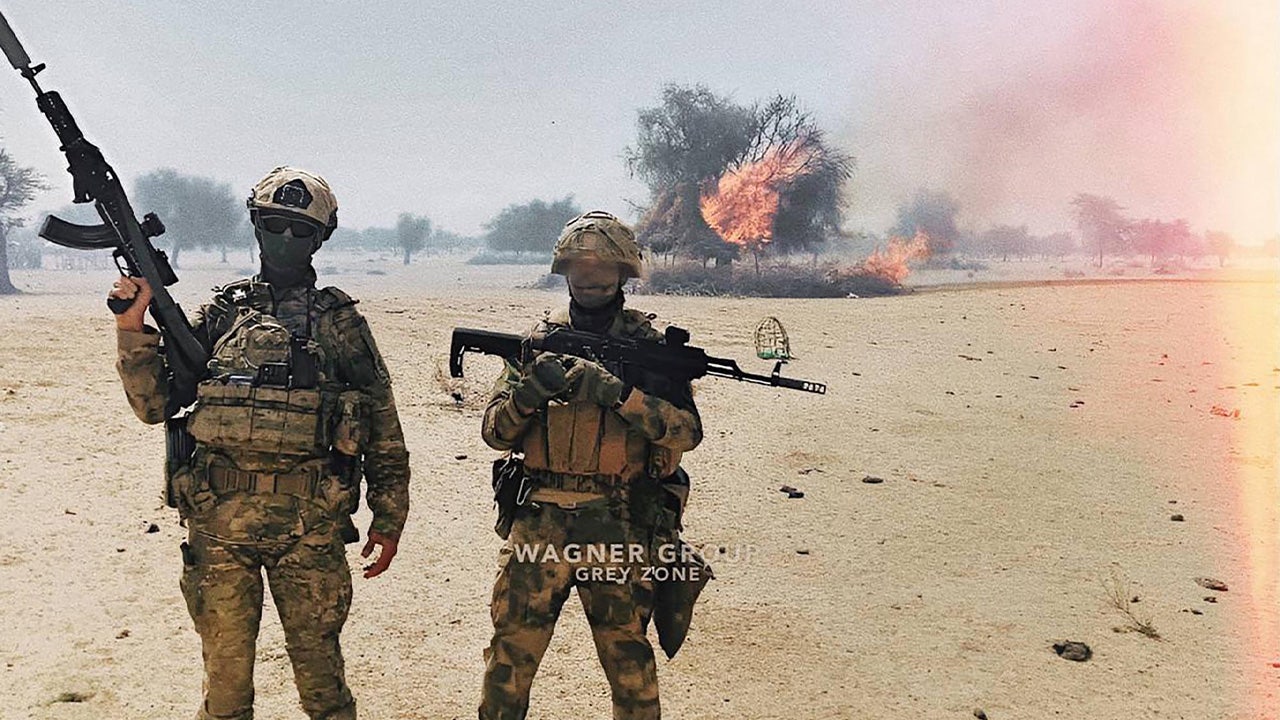
 FOX News
Two African nations ban American citizens in diplomatic tit-for-tat following Trump admin move
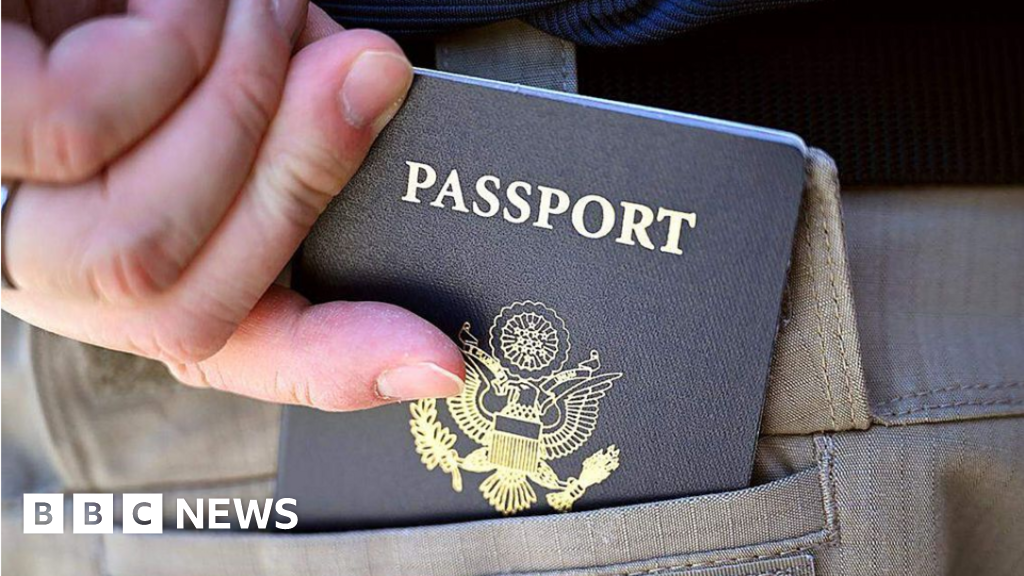
 BBC News
Mali and Burkina Faso announce travel ban on US citizens in tit-for-tat move

 Al Jazeera
Mali, Burkina Faso ban US citizens in response to Trump travel bans
Overview
Mali and Burkina Faso, governed by military juntas, announced reciprocal entry bans on U.S. citizens after President Trump's expansion of U.S. travel restrictions to include their countries.
The White House expanded travel restrictions to 20 countries, citing ongoing attacks by armed groups and worsening regional insecurity in parts of West Africa, including Mali and Burkina Faso.
Burkina Faso explicitly barred American nationals; Mali announced similar measures, framing them as equal treatment when their citizens visit the United States and diplomatic retaliation.
Both countries face escalating violence from Islamist armed groups after coups that ousted civilian governments, straining security capacity and complicating international cooperation against insurgents.
The military juntas pledged to combat armed groups while the reciprocal bans deepen diplomatic tensions with Washington and could hamper humanitarian and security assistance.
Analysis
Center-leaning sources frame the story by emphasizing the principle of reciprocity and mutual respect in the diplomatic tit-for-tat between the U.S. and the West African nations. They highlight the military juntas' pivot towards Russia and the strained relations with Western powers, suggesting a broader geopolitical shift. The language used is neutral, but the structural emphasis on the reciprocal nature of the bans and the regional dynamics suggests a narrative of escalating diplomatic tensions.
FAQ
The U.S. expanded travel restrictions under President Trump on December 16, 2025, citing severe deficiencies in screening, vetting, and information-sharing, armed conflicts, terrorist activities, and national security threats in these countries.[1]
Mali and Burkina Faso announced the bans on U.S. citizens late Tuesday, December 30, 2025, in statements from their foreign ministers, effective immediately as retaliation.[1]
The U.S. ban added seven countries: Burkina Faso, Laos, Mali, Niger, Sierra Leone, South Sudan, and Syria, fully suspending entry for their nationals as immigrants and nonimmigrants.
Both countries are governed by military juntas following coups that ousted civilian governments, amid escalating violence from Islamist armed groups; they have formed the Alliance of Sahel States (AES) with Niger, breaking from ECOWAS.
The bans heighten diplomatic tensions, could hamper U.S. humanitarian and security assistance, and complicate international cooperation against insurgents in the region.