Iran Protests Escalate Across Provinces Amid Economic Strains and Nuclear Signals
Protests spread to 25 of Iran's 31 provinces following Mahsa Amini's death; Tehran halts uranium enrichment amid sanctions, rial collapse, 40% inflation, and economic hardship.
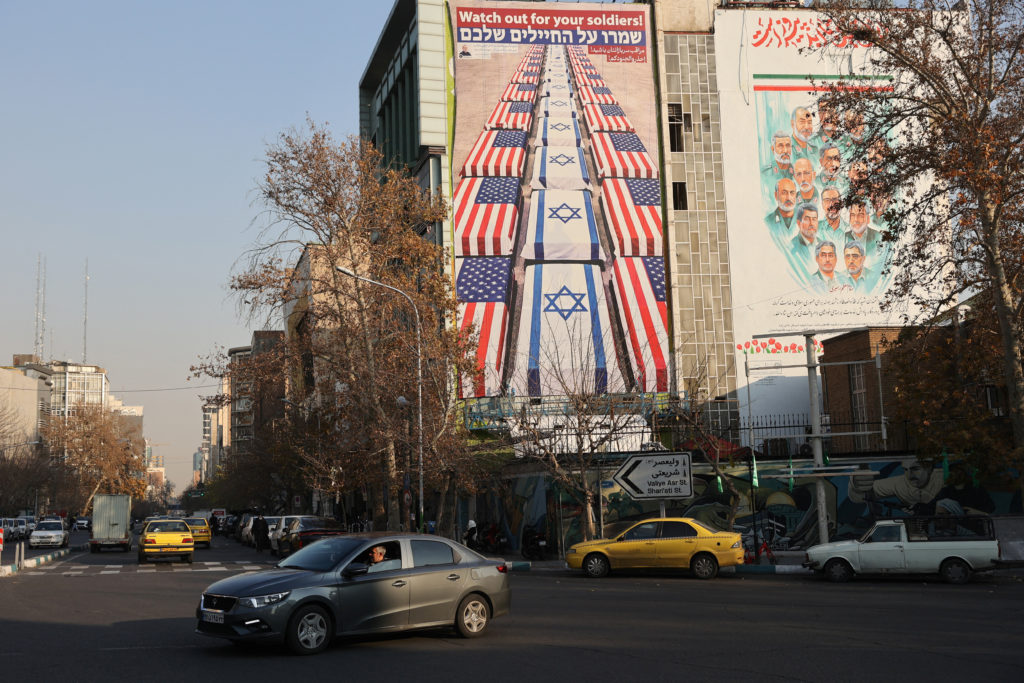
 PBS NewsHour
What to know about protests over Iran's economy as nuclear tensions remain high
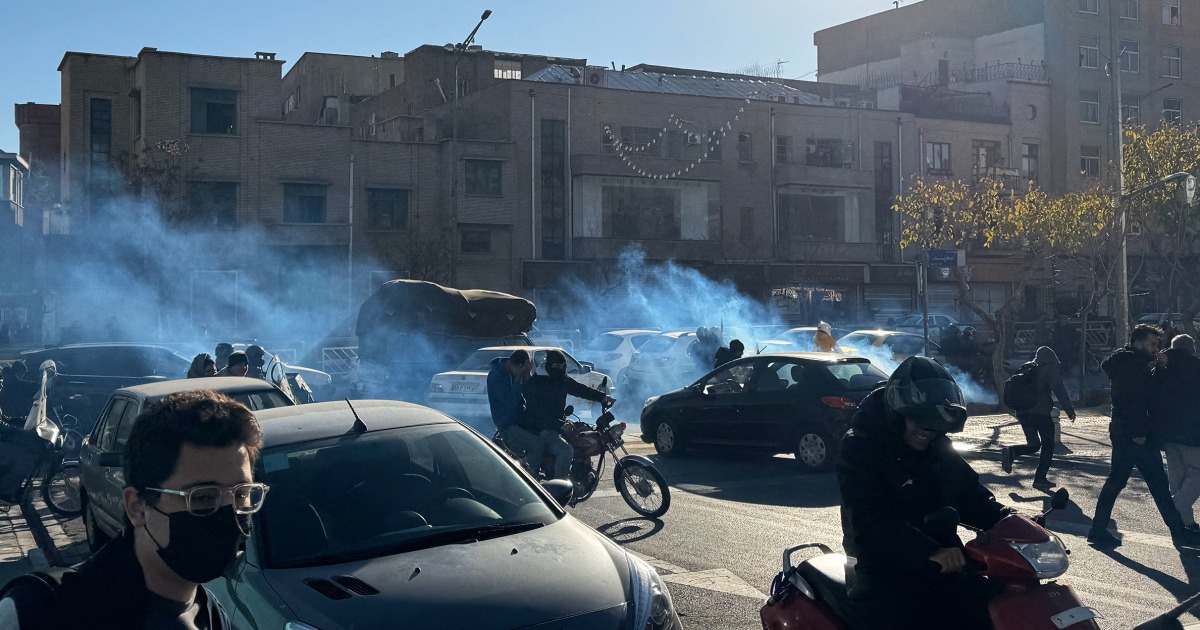
 NBC News
Growing Iran protests rattle leaders as Trump threatens to intervene
NBC NewsGrowing Iran protests rattle leaders as Trump threatens to intervene

 PJ Media
Iranian Protesters Claim It's 'Now or Never' to Overthrow the Regime
Overview
Protests began with Tehran's merchants and bazaar traders, then expanded to university campuses and provincial cities, signaling a broad challenge to clerical rule and economic hardship.
Rising prices for meat and rice, a plunging rial, and high inflation fuel public anger, compounding grievances over sanctions and economic mismanagement.
Tehran's decision to suspend uranium enrichment signals openness to talks, even as the IAEA warns of possible weaponization risks and sanctions persist.
Security forces have killed at least 15 protesters and arrested more than 580 nationwide, with crackdowns spreading across major cities and campuses.
Rising geopolitical tensions include Trump warning of intervention if protesters are harmed, Ali Larijani accusing Israel and the U.S. of provoking demonstrations without evidence.
Analysis
Center-leaning sources frame this as a normative dilemma, using terms like 'shocked the world' and 'attack Iran’s regime' while presenting the NSS critique as a check on policy. They foreground the contrast, omit Iranian perspectives, and imply risk, shaping a narrative of inconsistency and escalation.
FAQ
Iran's economic crisis stems from U.S. sanctions reimposed under Trump, limiting oil exports and global market access, alongside domestic mismanagement, corruption, high inflation over 40-48%, and rial depreciation.
Protests have spread to 25 of Iran's 31 provinces, starting from Tehran's merchants and bazaar traders, expanding to university campuses and major cities amid economic distress.
Security forces killed at least 15 protesters and arrested over 580; President Pezeshkian acknowledged grievances, replaced the central bank governor, and engaged business leaders, while Tehran suspended uranium enrichment signaling talks.
Sanctions have crippled oil exports, isolated Iran from global finance, led to inflation spikes, currency collapse, and shortages, exacerbating domestic unrest and poverty affecting a quarter to half of the population.
Trump warned of intervention if protesters are harmed; Ali Larijani accused U.S. and Israel of provocation; recent U.S. Treasury actions target Iran-Venezuela weapons trade amid nuclear and regional proxy concerns.