OPEC+ Plans 2025 Output Rise as Venezuela Slumps and Gulf Tensions Rise
OPEC+ plans a 2025 production uptick to regain share amid adjustments, while Venezuela's output languishes due to sanctions and mismanagement; Saudi-UAE tensions shape Yemen's conflict.



Overview
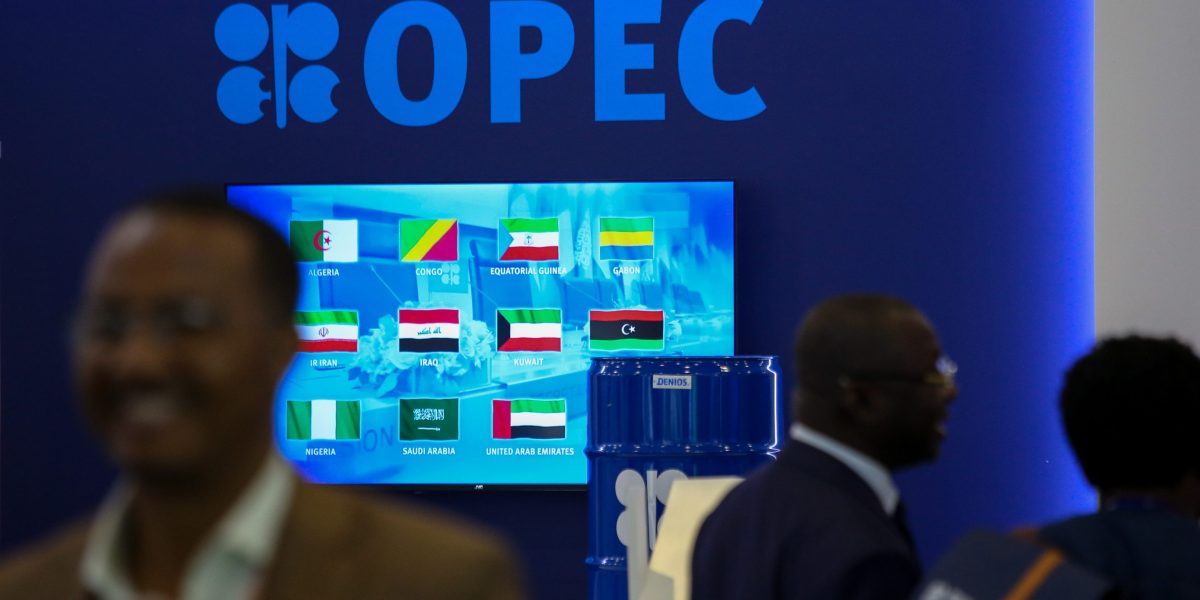
OPEC+ and allied producers are planning a 2025 production increase to regain market share amid ongoing supply adjustments that aim to balance prices and volumes.
Venezuela holds the world's largest proven oil reserves, yet production has fallen sharply under mismanagement, under-investment, and sanctions, limiting export capacity and revenue.
Tensions between Saudi Arabia and the UAE have risen due to divergent positions in Yemen's conflict, affecting regional alignments and potentially influencing oil politics.
Analysts say supply adjustments and political frictions could affect prices and market confidence, with shifts in output strategy closely watched by consumers and investors.
The broader impact includes potential volatility in gasoline prices and energy investment decisions across regions as producers recalibrate to new supply-demand dynamics.
Analysis
Center-leaning sources frame this story with a cautious market narrative: volatility and geopolitical risk are foregrounded while OPEC+ is portrayed as stabilizing. Language like 'turmoil' and 'fragile environment' shapes perception, while emphasis on sanctions, Venezuela, and a 'comfortably supplied' market supports a restrained, hopeful outlook. Source content includes quotes from analysts and policy mentions.
FAQ
The eight leading OPEC+ countries upheld the decision to suspend increases in oil production for Q1 2026, keeping quotas at December 2025 levels for February and March.[1][2]
Venezuela's production has fallen due to mismanagement, under-investment, and U.S. sanctions, with potential for a 150,000 bpd rise if sanctions lift, but massive reforms needed for higher levels.[3]
Tensions between Saudi Arabia and the UAE have risen due to divergent positions in Yemen's conflict, potentially influencing regional alignments and oil politics amid other geopolitical threats.
In November 2025, the eight OPEC+ countries increased output by 126,000 bpd, exceeding their target by 23,000 bpd after compensation adjustments.[2]
Brent futures settled under $61 per barrel after an 18% drop in 2025 due to surplus supply, slowing demand in China, and rising non-OPEC production, prompting OPEC+ to prioritize stability.
