Trump proposes US firms repair Venezuela’s oil infrastructure amid sanctions and production decline
Trump proposed US energy firms could repair Venezuela's oil infrastructure, possibly funded by taxpayers, as Chevron remains the sole producer, with output collapsed since nationalization.
 The Guardian
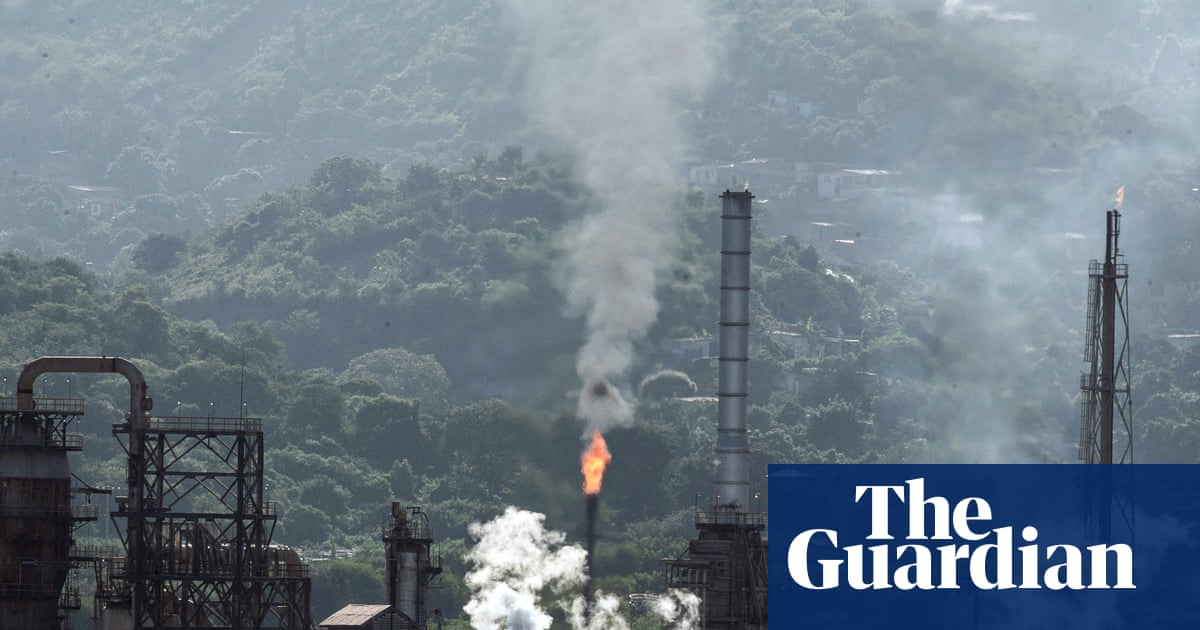
Trump taking ‘drill, baby, drill’ plan to Venezuela ‘terrible’ for climate, experts warn
 BBC News
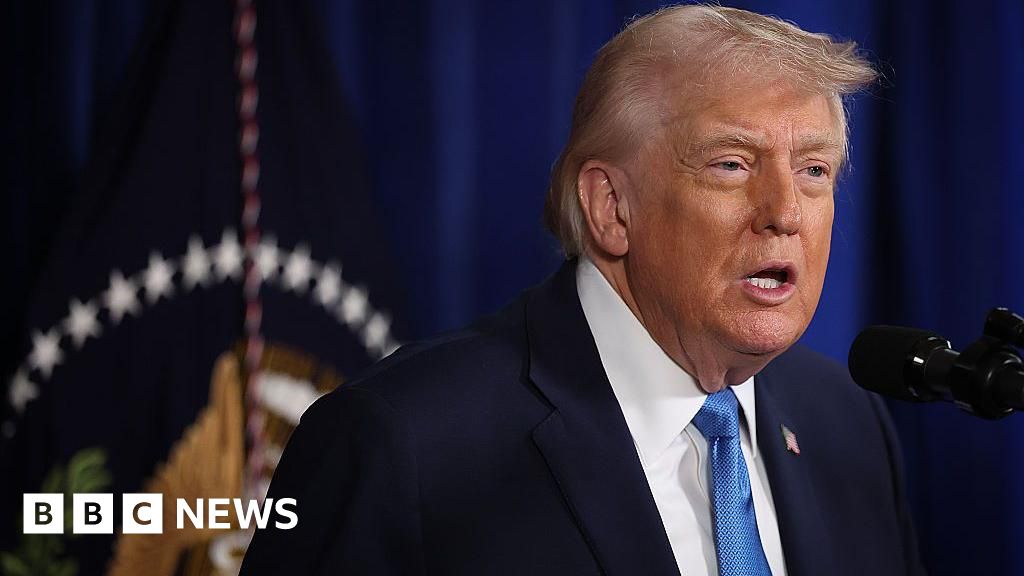
Trump claims US oil firms could be 'up and running' in Venezuela within 18 months
 The Guardian
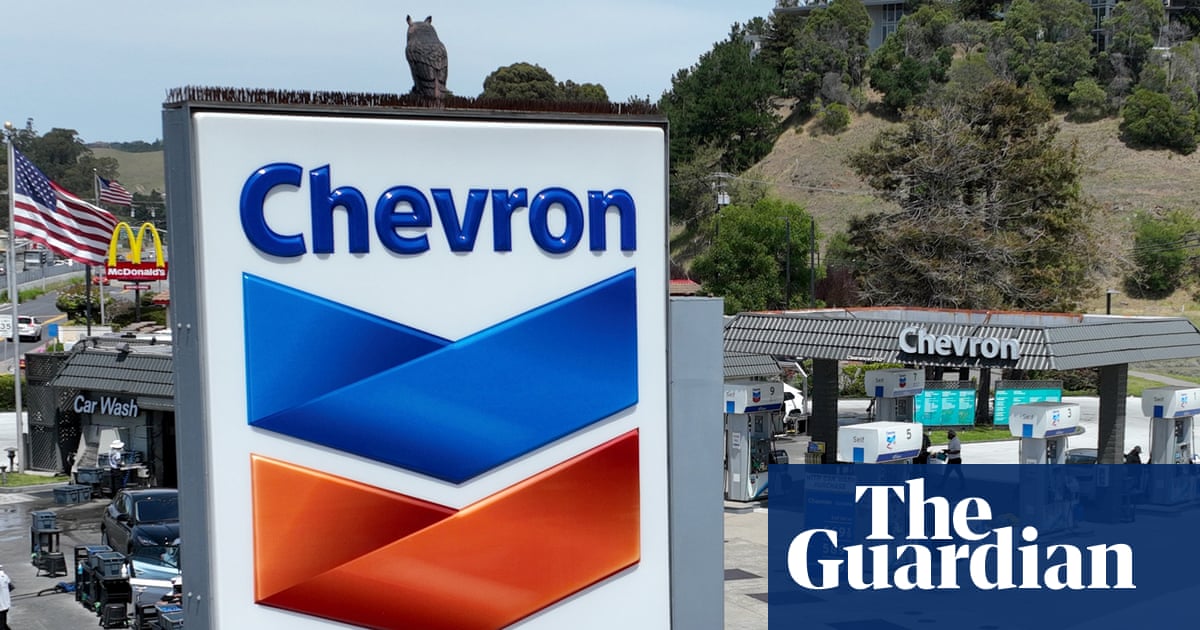
Trump suggests US taxpayers could reimburse oil firms for Venezuela investment
 Newsmax
WSJ: Trump Hinted About Venezuela Action to Oil Executives
Overview
Donald Trump floated a plan wherein U.S. energy companies could repair Venezuela's oil infrastructure, potentially earning reimbursement from taxpayers, highlighting potential policy shifts amid sanctions and economic crisis.
Chevron remains the sole U.S. major oil company operating in Venezuela, continuing operations under a special license while competing against a backdrop of nationalization and sanctions.
Exxon Mobil and ConocoPhillips did not respond to requests for comment, with companies avoiding public remarks amid policy uncertainty and ongoing sanctions.
Trump's claim that major oil firms discussed Maduro's removal with the Biden administration is contradicted by Exxon, Chevron, and ConocoPhillips, who have not engaged representatives on the matter.
Venezuela's oil production has fallen from about 3.5 million barrels per day in 1999 to roughly 1.1 million today after nationalization, reflecting mismanagement, sanctions, and economic turmoil.
Analysis
Center-leaning sources frame the story as a U.S. policy-driven push to unlock Venezuela’s oil, highlighting Trump's incentives and corporate appeals while also underscoring political risk and sanctions. Editorial choices emphasize potential profits and national interest, yet juxtapose skepticism from industry and historical nationalizations to suggest caution rather than certainty.
FAQ
Nicolás Maduro was captured on Saturday, prior to President Trump's proposal for U.S. oil companies to invest in Venezuela's oil industry.
Venezuela's oil production fell from 3.5 million barrels per day in 1999 to about 1.1 million today due to nationalization, mismanagement, underinvestment, sanctions, and economic turmoil, with only 20-25% of capacity online.
Chevron remains the sole major U.S. oil company operating in Venezuela under a special license.
Trump proposed that U.S. energy companies rebuild Venezuela's oil infrastructure, potentially funded by U.S. taxpayers, to tap its vast oil reserves after Maduro's capture.
Trump's claim that major oil firms discussed Maduro's removal with the Biden administration is contradicted by Exxon, Chevron, and ConocoPhillips, who did not engage on the matter; ExxonMobil and ConocoPhillips did not respond to comment requests.
