Khamenei Signals Crackdown as Nationwide Protests Intensify
Khamenei blamed foreign interference and warned of decisive force as nationwide protests over economic collapse swell; internet blackout and state media label demonstrators allegedly terrorists.
 PBS NewsHour
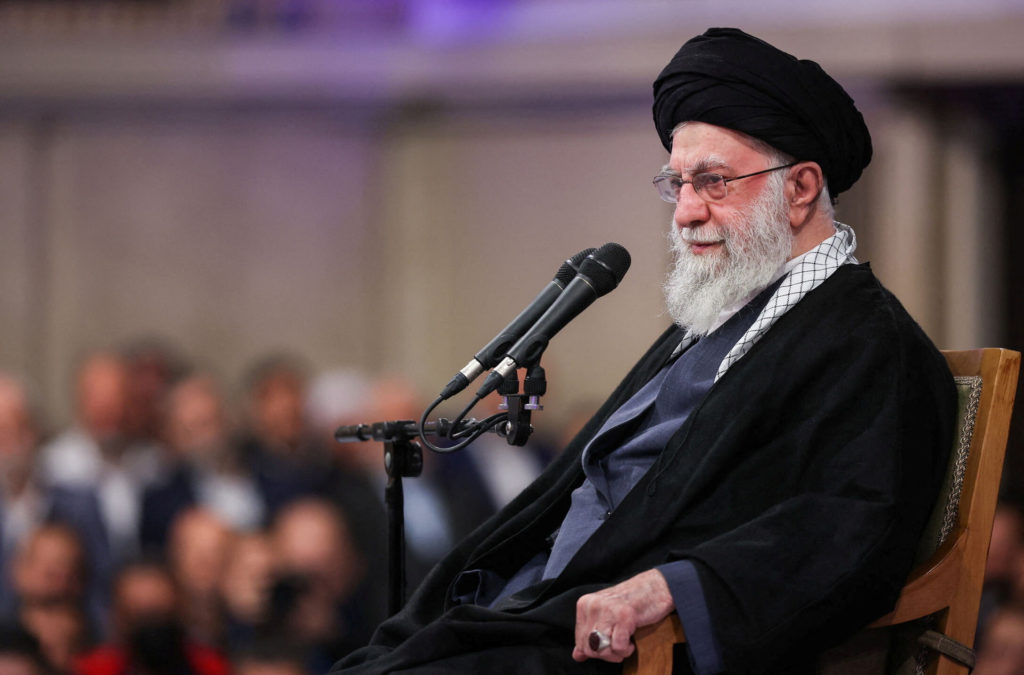
Iran's supreme leader signals upcoming crackdown on protesters
 The Guardian
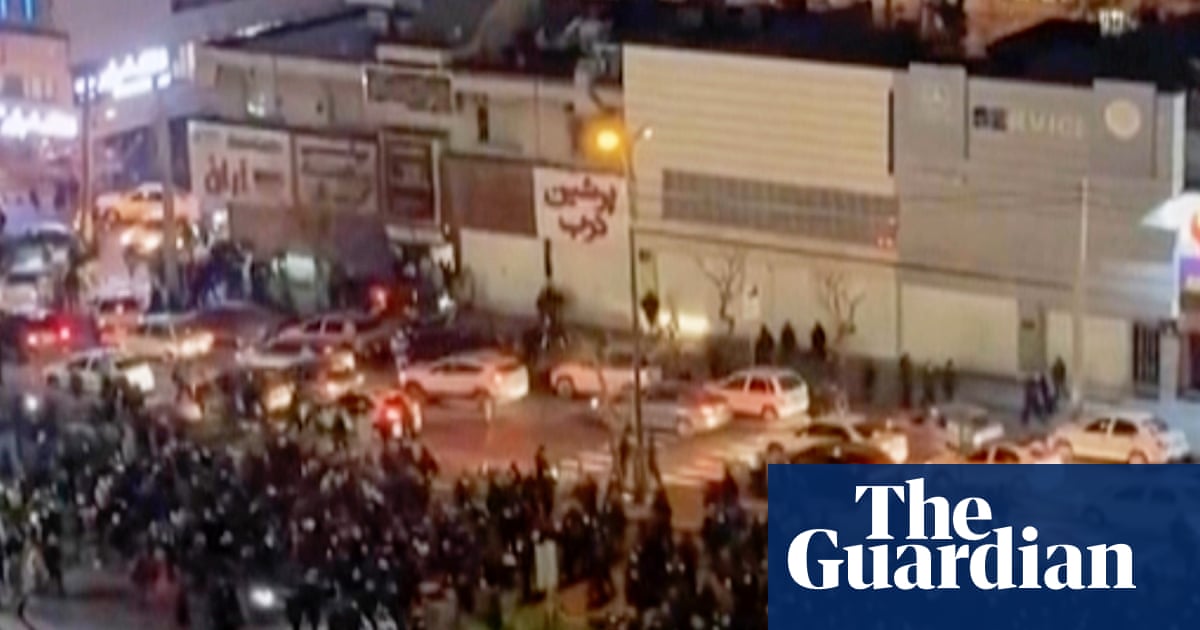
Iran’s supreme leader sets stage for harsher crackdown as protest movement swells
 The Free Press
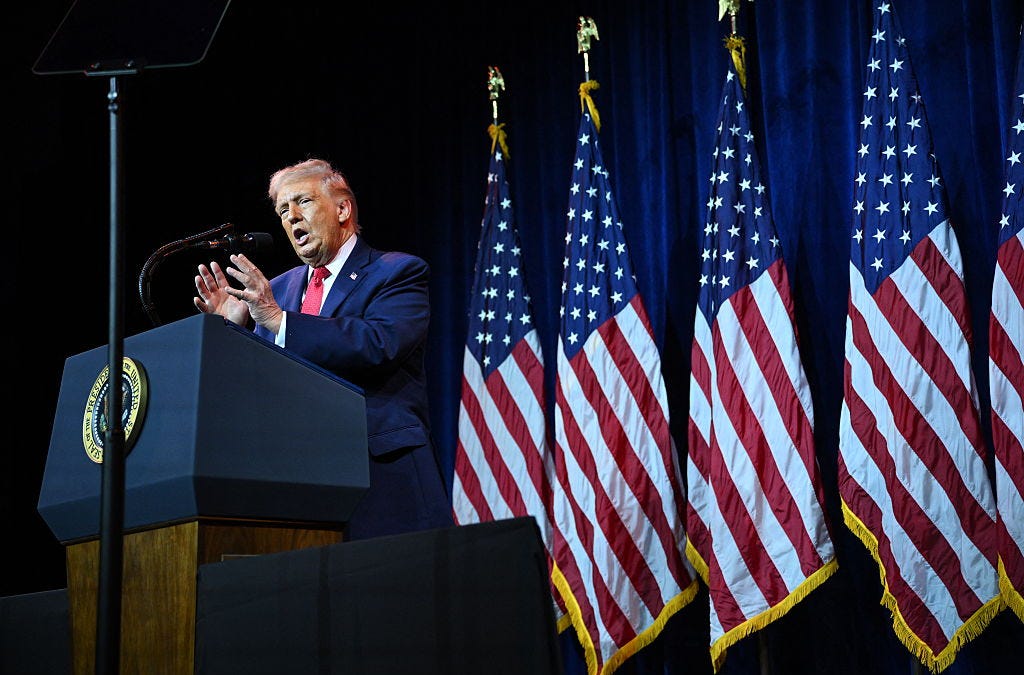
Fear, Humiliation and Trump: Why Iran’s Regime Could Fall
 BBC News
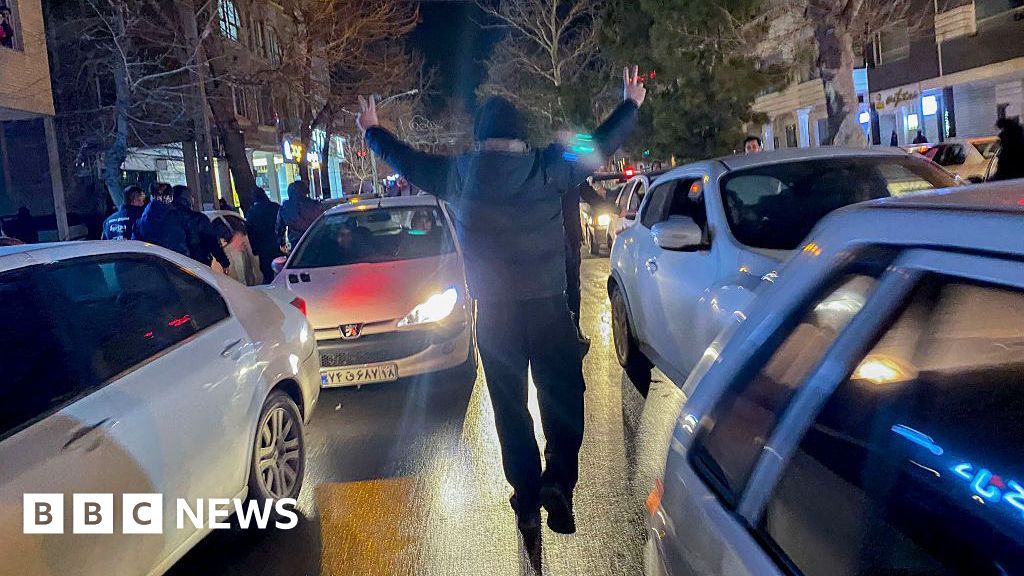
Trump's warning looms over Iran protests response
Overview
Supreme Leader Ayatollah Ali Khamenei condemned protesters as “vandals,” accusing them of “ruining their own streets to please President Donald Trump”; footage showed supporters shouting “Death to America!”.
Human Rights Activists News Agency and other monitors report rising casualties — at least 62 killed and more than 2,300 detained since Dec. 28 — figures unconfirmed by Iranian officials.
State media repeatedly called demonstrators “terrorists” while judiciary chief Gholamhossein Mohseni-Ejei vowed punishments that would be “decisive, maximum and without any legal leniency,” signaling a harsher crackdown.
Authorities imposed a near-nationwide internet and phone blackout, restricting independent verification; activists circulated short videos showing protests across Tehran and multiple provinces despite communications disruptions.
President Donald Trump pledged U.S. support for peaceful demonstrators and warned of force if protesters are killed; Tehran accused the U.S. and Israel of fomenting unrest, raising escalation risks.
Analysis
Center-leaning sources frame the protests as a potentially regime-ending uprising, using loaded descriptors ('iron fist,' 'brutally quashed'), selective historical parallels, and emphasis on the Bazaar’s symbolic elite defection. Those editorial choices create a narrative of imminent collapse; casualty figures and direct quotes remain source content supporting that frame.
FAQ
The protests were primarily triggered by a severe economic crisis marked by a currency crash, soaring inflation, and widespread poverty, which made basic goods unaffordable and led shopkeepers, workers, and students to take to the streets against the government’s economic mismanagement and the broader political system.
International sanctions, especially those targeting Iran’s oil exports and financial sector, have restricted access to foreign currency, forced Tehran to sell oil at steep discounts through costly indirect routes, and contributed to a “lost decade” of economic growth with rising poverty and contracting per‑capita GDP.
Authorities imposed an internet and phone blackout to disrupt coordination among protesters, limit the spread of protest footage, and restrict independent verification of events, a tactic that also hampers economic activity and everyday communications across the country.
The IRGC and its affiliated networks control large parts of Iran’s state‑directed economy, benefiting from sanctions through privileged access to foreign currency and informal trade routes, which concentrates wealth and power in security-linked entities while crowding out the private sector and deepening structural economic weaknesses fueling unrest.
A worsening crisis or sudden government collapse in Iran could disrupt or threaten flows through the Strait of Hormuz, one of the world’s most critical energy corridors, raising energy market uncertainty, transport and insurance costs, and particularly affecting major buyers like China that rely on discounted Iranian oil.