Denmark and Greenland Press U.S. Officials to Reject Trump’s Renewed Push to Acquire Greenland
Denmark and Greenland envoys pressed U.S. officials and lawmakers to oppose President Trump's renewed bid to acquire Greenland ahead of Secretary Marco Rubio's scheduled talks soon.
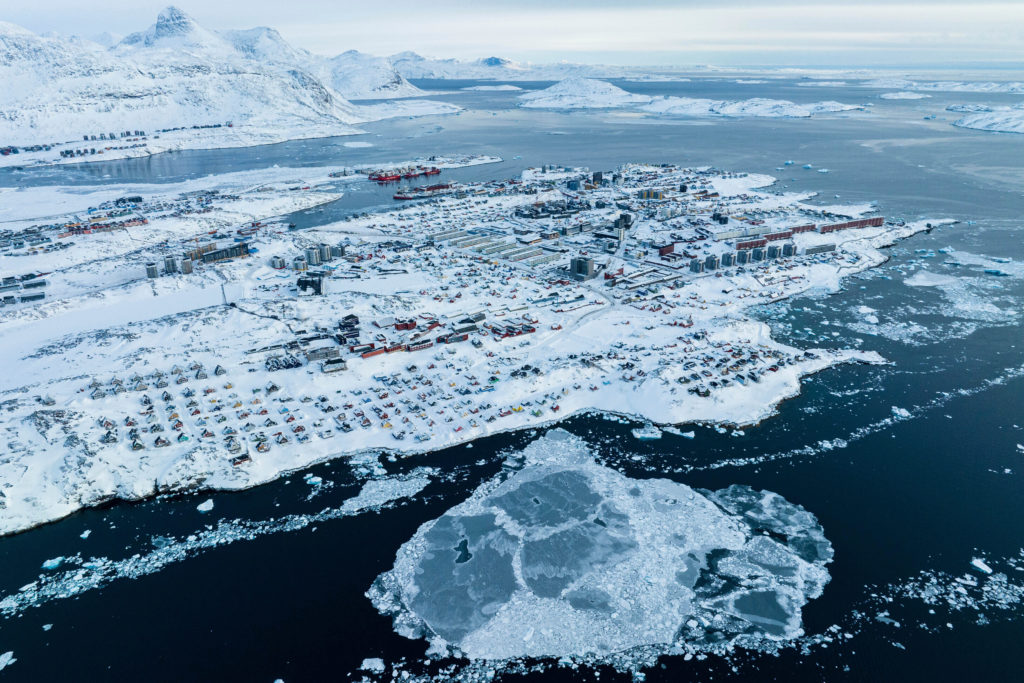
 PBS NewsHour
Denmark and Greenland envoys meet with White House officials over Trump's call for a 'takeover'
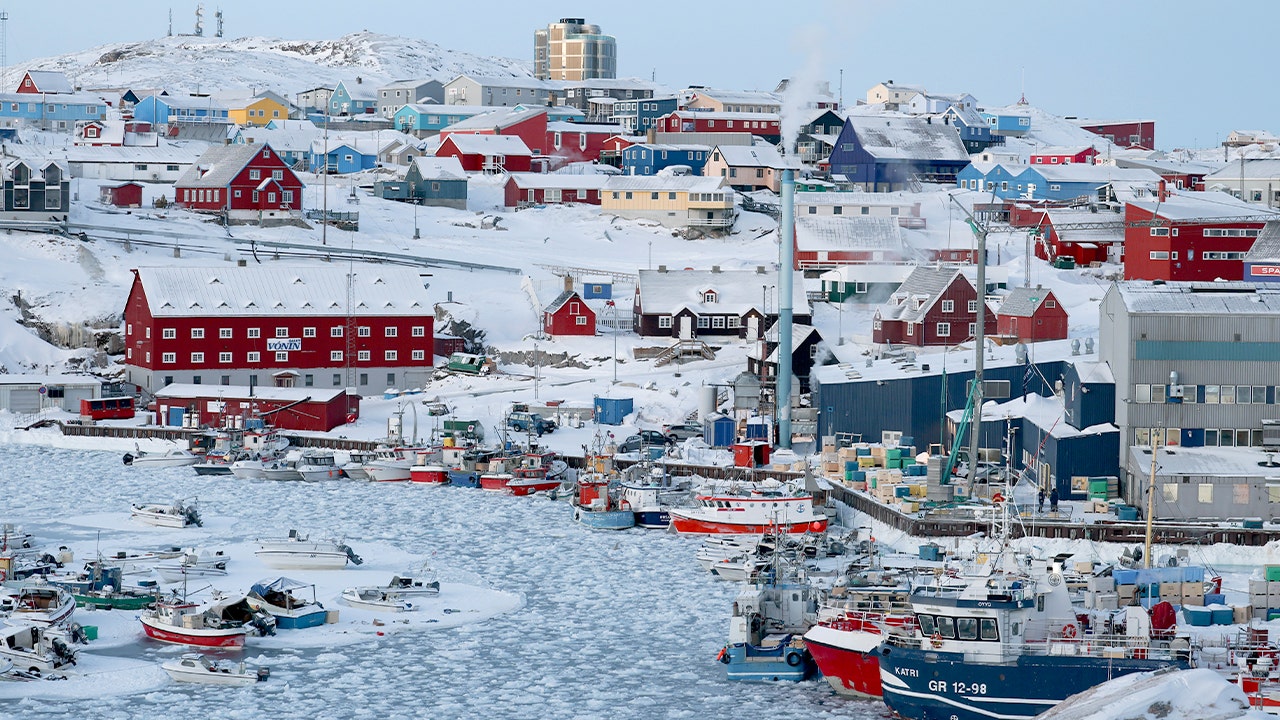
 FOX News
Trump admin reportedly considers paying each Greenland resident up to $100K amid US takeover talks

 The Bulwark
GOP Senators Sure Hope Trump Is Kidding About Invading Greenland
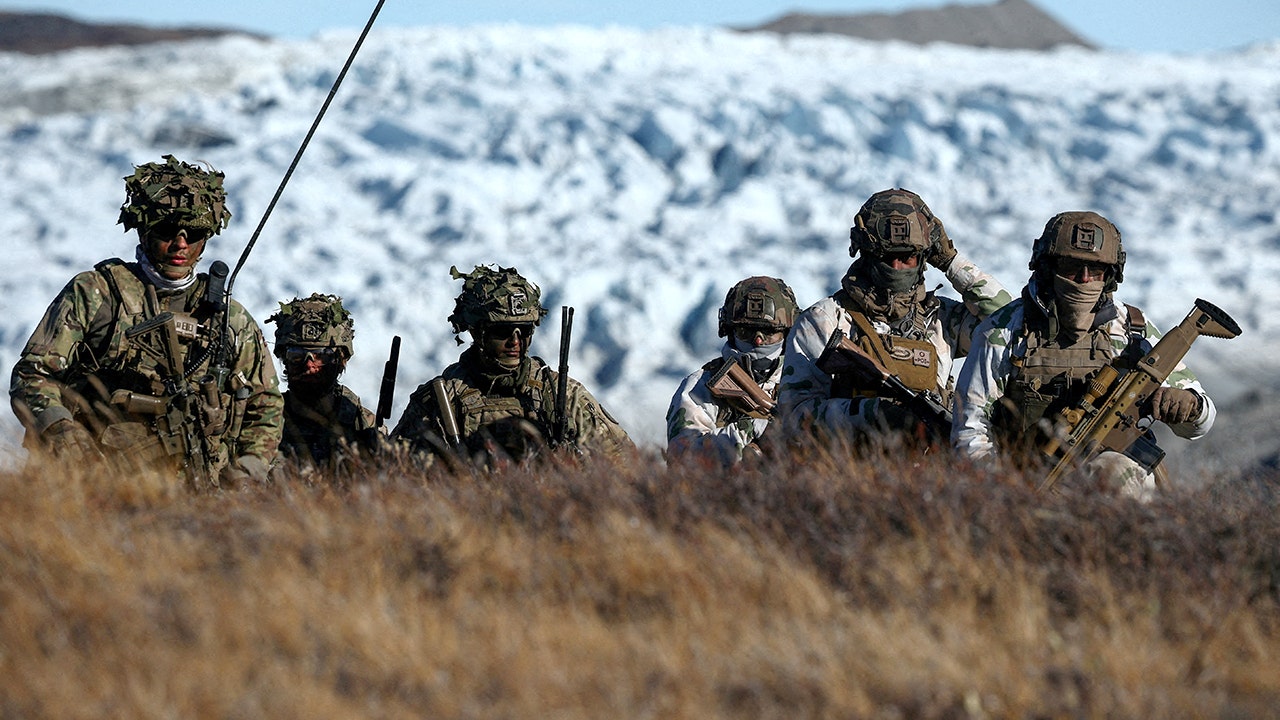 FOX News
European allies working on plan if US acts on acquiring Greenland: report
Overview
Denmark's ambassador to Washington, Jesper Møller Sørensen, and Greenland's chief representative, Jacob Isbosethsen, met White House National Security Council officials Thursday to discuss Trump's renewed takeover push.
Envoys have held a series of meetings this week with U.S. lawmakers and will join Denmark in talks with Secretary of State Marco Rubio next week, which Denmark calls "the dialogue that is needed."
President Trump told the New York Times he prefers "ownership" of Greenland over leases or treaties; Vice President JD Vance emphasized defense concerns and cited Greenland's missile-defense role.
Reuters reports the administration discussed lump-sum payments between $10,000 and $100,000 per Greenland resident to encourage secession; the White House says a "range of options," including military action, remain on the table.
Greenlandic and European leaders reject sale or seizure, citing the 1951 Denmark–U.S. defense agreement; Denmark is strengthening Arctic surveillance, new naval vessels, drones, and satellite capacity.
Analysis
Center-leaning sources frame the Greenland story as a consequential, alarming presidential gambit, using speculative language and selective emphasis: emphasizing invasion as plausible, highlighting omissions by administration officials, foregrounding skeptical Senate reactions, and pairing reassuring quotes with immediate editorial counters to suggest distrust of the White House's intent.
FAQ
Greenland is strategically important because its location in the Arctic makes it a key site for missile warning and defense systems, air and naval operations across the North Atlantic, and monitoring Russian and Chinese activities, as well as for emerging Arctic shipping routes and access to mineral resources.
The 1951 defense agreement allows the United States to improve and fit areas of Greenland for military use, and to construct, install, maintain, and operate military facilities and equipment there, effectively giving the U.S. wide access for defense purposes without any change in sovereignty.
Danish and Greenlandic leaders have firmly rejected any sale or transfer of Greenland, stressing that Greenland is not for sale, that its people do not wish to become part of the United States, and that existing defense cooperation is sufficient.
Denmark is significantly increasing Arctic defense spending and enhancing surveillance through new naval vessels, drones, and satellite capacity, as well as investing in its political relationship with Greenland.
No, polling indicates that the vast majority of Greenlanders oppose becoming part of the United States, with one survey showing about 85% against U.S. annexation.