U.S. Seeks Control of Venezuelan Oil After Maduro's Capture
After U.S. forces captured President Maduro, the Trump administration plans to control and sell Venezuelan oil, seeking U.S. company investment to rebuild production and exports.
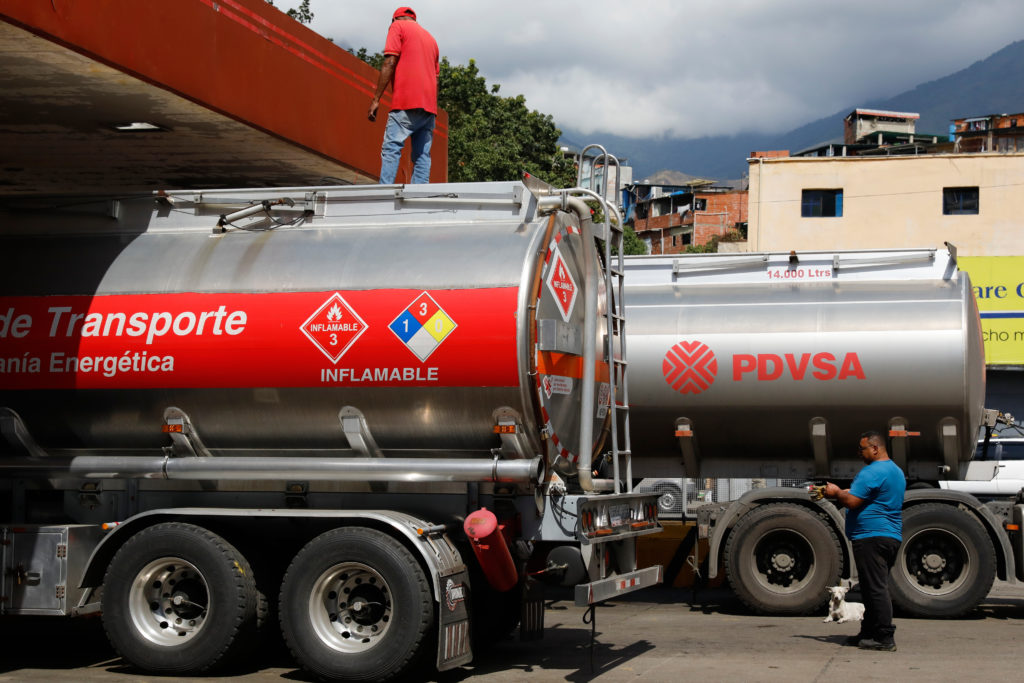


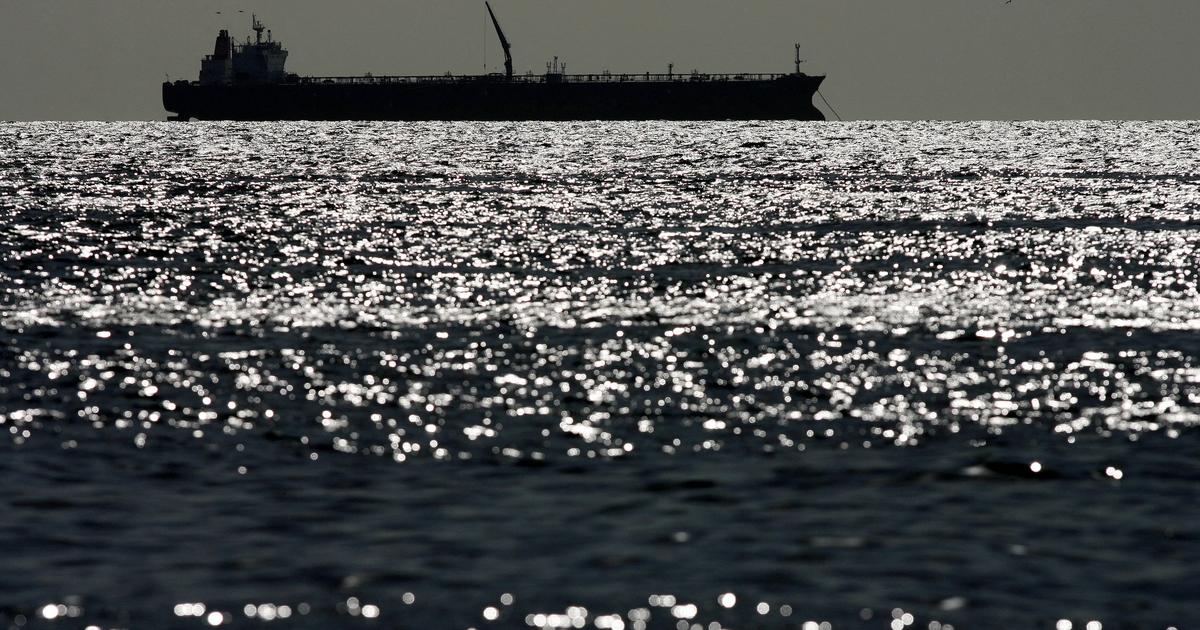

Overview
President Trump directed U.S. forces to capture President Nicolás Maduro; the administration now says it will run Venezuela's oil industry and sell 30–50 million barrels to the U.S.
Venezuela holds an estimated 303 billion barrels of heavy, sour crude—about 17% of global reserves—but production has fallen to roughly 900,000 bpd amid sanctions and mismanagement.
The administration has 'selectively' eased sanctions to enable sales, proposing U.S.-controlled bank accounts to hold proceeds and disburse funds for American and Venezuelan beneficiaries.
ExxonMobil, Chevron and ConocoPhillips were summoned to discuss investment; oil executives demand legal guarantees after past expropriations and face $50–100 billion-plus rebuilding cost estimates.
Short-term global supply currently exceeds demand, but easing the U.S. blockade and sanctions could lower prices; meaningful Venezuelan output recovery will require years, capital, and political stability.
Analysis
Center-leaning sources frame the story as a strategic, market-focused crisis by combining evaluative language (e.g., "dictator," "rampant corruption") with selective emphasis on U.S. policy and oil-market impacts. They foreground production data and investment costs, downplay Venezuelan-government perspectives, and highlight coercive U.S. actions and economic consequences.
FAQ
Venezuela’s oil sector deteriorated due to years of underinvestment, mismanagement of state oil company PDVSA, loss of skilled staff, and U.S. and international sanctions that limited access to capital, technology, and markets, causing production to fall from more than 3 million barrels per day two decades ago to under 1 million barrels per day in recent years.[1]
Energy experts estimate that even with policy changes and new investment, rehabilitating existing fields and infrastructure to add roughly 500,000 barrels per day would take a few years, while a broader recovery that lifts production toward several million barrels per day would likely require at least a decade and on the order of $100 billion in investment.[1]
Venezuela holds the world’s largest proven crude oil reserves—around 300 billion barrels, about 17–18% of global reserves—largely due to heavy and extra‑heavy crude in the Orinoco Belt that was reclassified as “proved” in the 2000s.
Major oil companies worry about the risk of asset expropriation, contract changes, and unresolved arbitration claims from past nationalizations, so they seek strong legal guarantees and protections before committing large-scale capital to Venezuelan projects.[4]
In the near term, Venezuelan supply changes are limited by the sector’s weak condition, and with current global supply roughly balanced to slightly exceeding demand, any gradual increase from Venezuela alone would likely have only a modest downward effect on prices rather than a dramatic impact.
