U.S. Seizes Fifth Oil Tanker Linked to Venezuela as 'Ghost Fleet' Crackdown Intensifies
U.S. forces boarded the Olina in the Caribbean, seizing the fifth tanker tied to sanctioned Venezuelan oil as part of a crackdown on the ‘ghost fleet.’
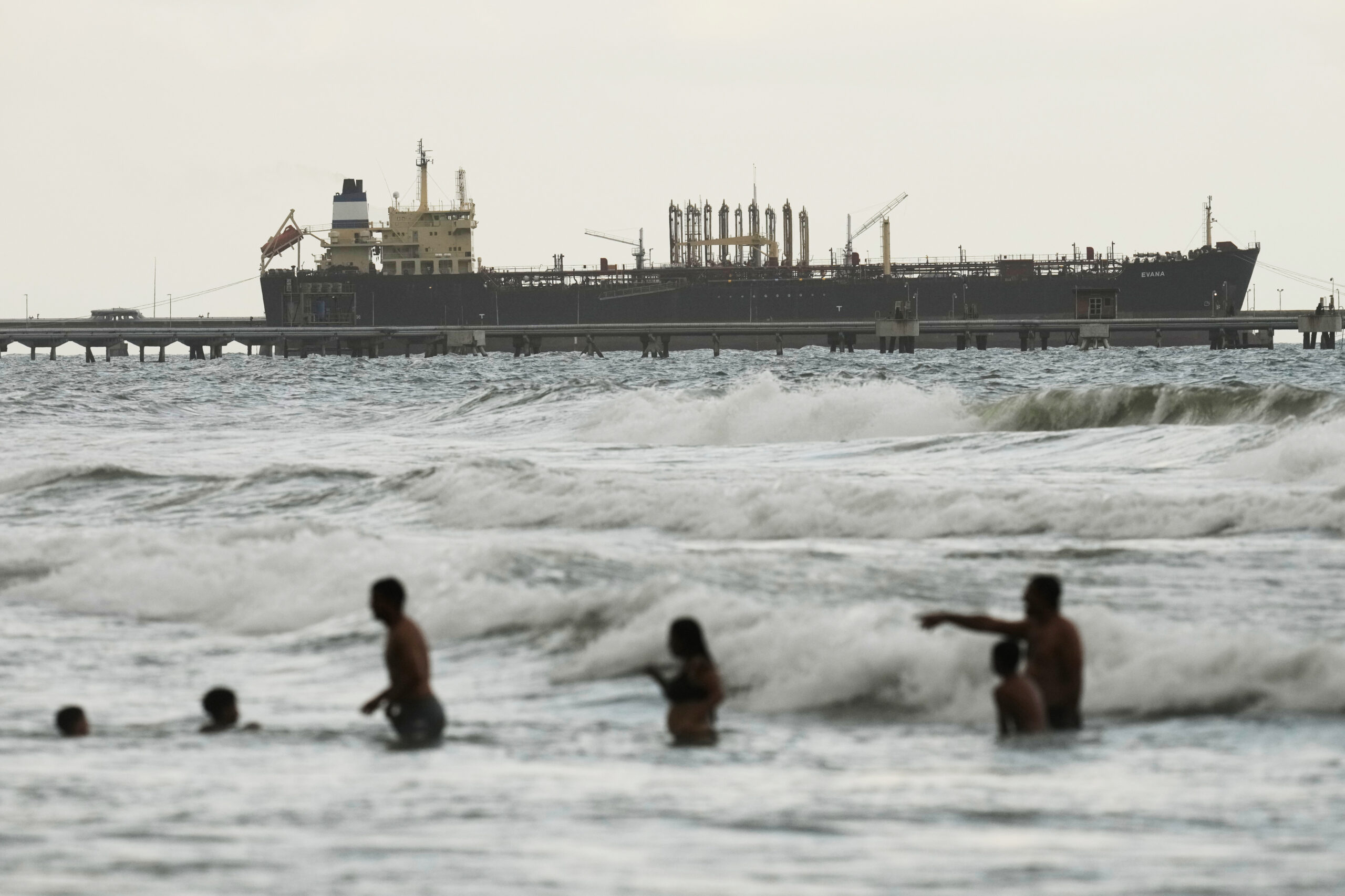
 New York Sun
U.S. Seizes Fifth Sanctioned Oil Tanker as Pressure Campaign Grows

 Western Journal
Mission Footage: US Forces Execute Lightning-Quick Seizure of Fully-Loaded Venezuelan Oil Tanker
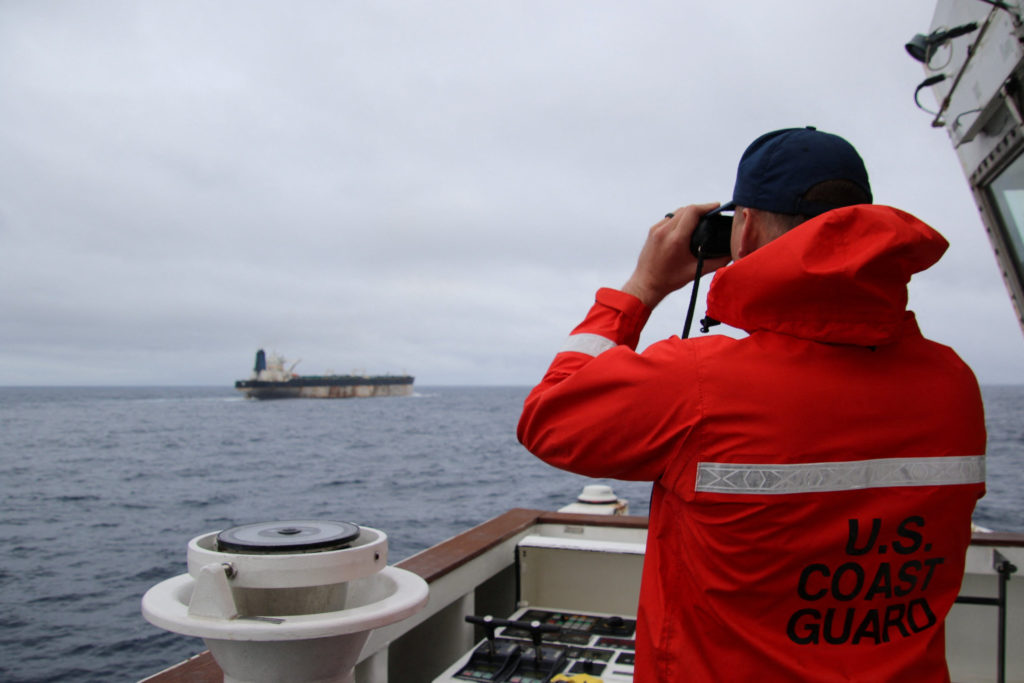
 PBS NewsHour
U.S. intercepts 5th sanctioned tanker as it exerts control over Venezuelan oil distribution
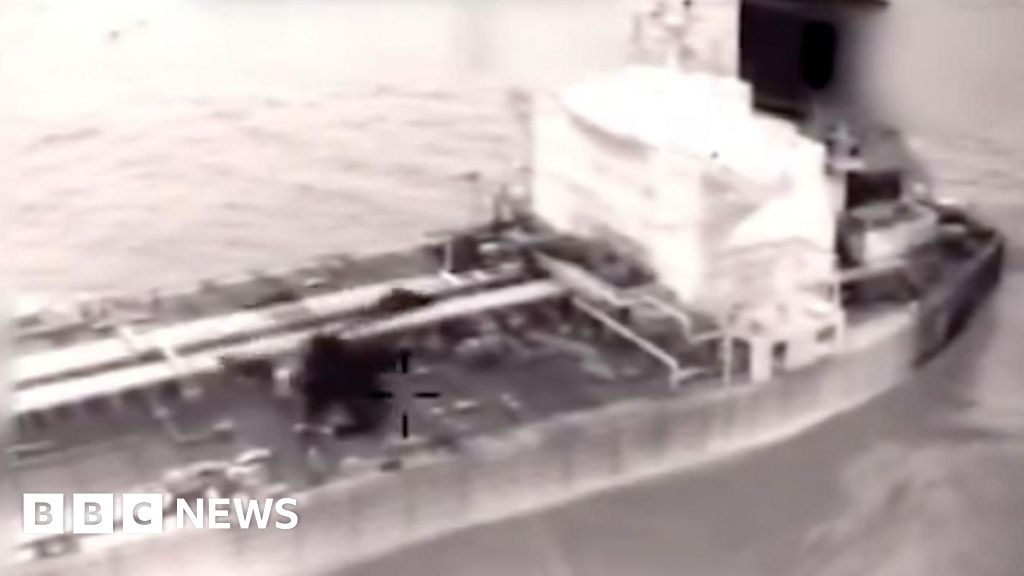
 BBC News
US forces seize fifth Venezuela-linked oil tanker
Overview
U.S. Marines and Navy, launching from USS Gerald R. Ford and supporting DHS and Coast Guard, boarded the Olina pre-dawn in the Caribbean — the fifth tanker seized this month.
Homeland Security Secretary Kristi Noem and U.S. Southern Command labeled the ship part of a 'ghost fleet' moving embargoed oil; social media footage showed helicopter insertion and deck searches.
The Olina, previously named Minerva M and sanctioned for transporting Russian oil, was sailing under a Timor-Leste flag listed as false; tracking showed it running dark for weeks.
Earlier operations included seizures of Marinera (formerly Bella-1) and M/T Sophia, with UK RAF support during tracking; crew painted flags, Russia deployed naval assets protecting tankers.
Administration says seized oil may be sold to benefit Venezuelans; President Trump and officials discuss selling 30–50 million barrels and inviting oil CEOs for reconstruction investment.
Analysis
Center-leaning sources frame U.S. seizures as enforcement of international norms, foregrounding military and government statements (e.g., “unwavering…ending illicit activity,” “ghost fleet”) while giving limited countervailing legal or Venezuelan perspectives. Language choices, source selection, and placement emphasize U.S. authority and security, marginalizing detailed scrutiny of legal or diplomatic disputes.
FAQ
The ‘ghost’ or ‘shadow’ fleet refers to mostly older oil tankers that operate under false or frequently changing flags, obscure ownership, and spoofed or disabled tracking systems in order to move sanctioned oil from countries such as Venezuela, Russia, and Iran outside the formal rules-based maritime system. These fleets are central to how Venezuela and its partners move embargoed crude despite sanctions, which is why U.S. agencies describe seized ships like the Olina and Marinera as part of this network.
U.S. forces targeted the Olina because U.S. records show it had been sanctioned for transporting Russian oil under its previous name, Minerva M, and was now sailing under a Timor-Leste flag that international registries list as false, while also running “dark” for weeks with its tracking beacon off near Venezuela—behaviors U.S. authorities say indicate participation in illicit, sanctions‑evading oil shipments linked to Venezuela.
The Olina has a cargo capacity of up to about 890,000 barrels of oil, which U.S. officials estimate would be worth roughly $53 million at a market price of about $60 per barrel.
The administration has indicated that oil seized from these Venezuela-linked tankers may be sold on the market, with officials saying proceeds could be used to benefit Venezuelans, and President Trump has publicly discussed selling 30–50 million barrels of sanctioned Venezuelan oil and pairing this with invitations to oil company executives to invest in Venezuela’s reconstruction.
Russian authorities have condemned earlier U.S. seizures, such as that of the Marinera (formerly Bella-1), as violations of international law and claimed they lost contact with the ship, while Venezuelan President Nicolás Maduro rejects U.S. allegations about the tankers’ use and accuses Washington of plundering Venezuela’s resources under the guise of law enforcement.

