Saudi-UAE Rivalry Deepens as Separatists Clash in Southern Yemen
Saudi-UAE rivalry intensifies in Yemen as UAE-backed separatists clash with Saudi-backed unity efforts; STC leader Aidarous al‑Zubaidi reportedly fled to Abu Dhabi via Somaliland.
 The Guardian
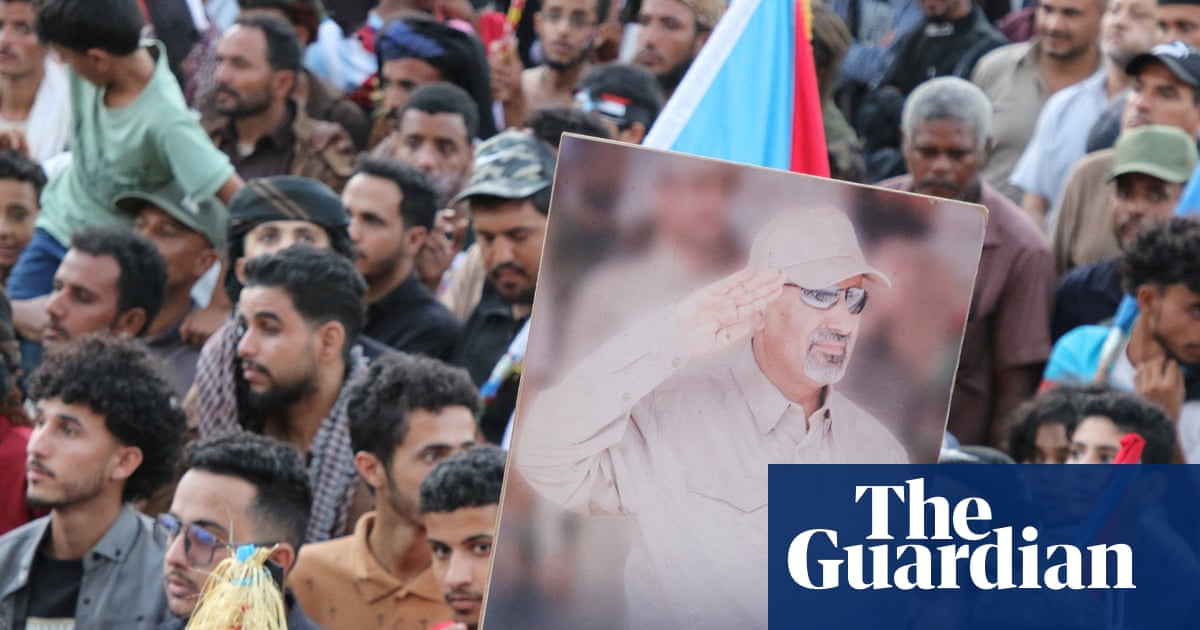
Saudi Arabia says UAE helped Yemeni separatist leader flee as crisis deepens

 CNN
CNNSaudi-backed forces move to capture key Yemeni city as crisis with UAE deepens
 BBC News
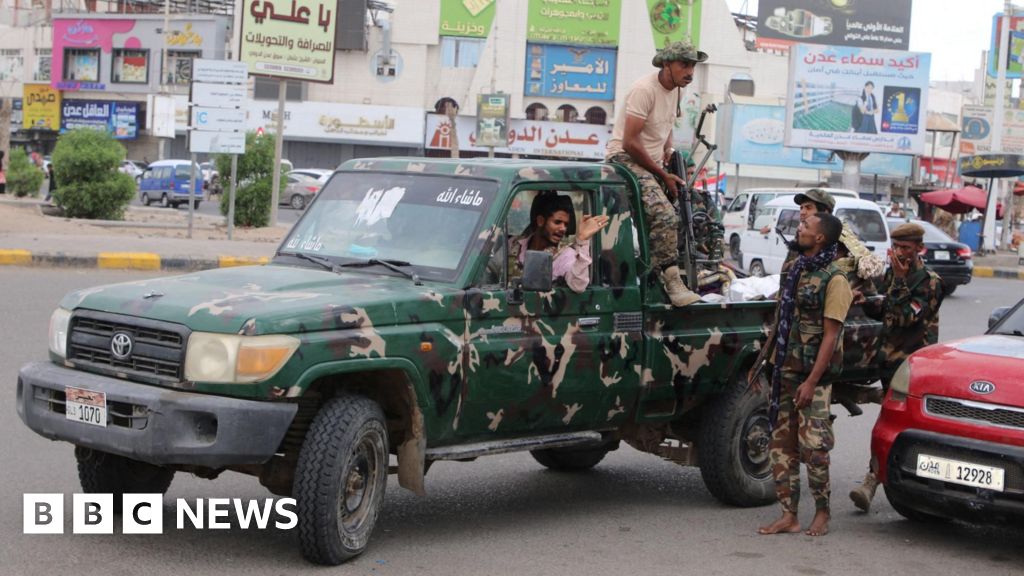
Saudi-led coalition says UAE helped smuggle separatist leader out of Yemen

 Al Jazeera
Who is Aidarous al-Zubaidi? Yemen’s ‘traitor’ chief
Overview
Saudi-UAE rivalry escalates as UAE-backed southern separatists clash with Saudi-backed unity efforts in southern Yemen, risking renewed conflict and widening regional political and military rifts.
Saudi-led coalition accuses the UAE of smuggling STC leader Aidarous al‑Zubaidi out of Yemen after he skipped Riyadh crisis talks, saying he fled by boat to Somaliland then Abu Dhabi.
An anti-Houthi council expelled a separatist leader accused of treason for refusing to attend Saudi-hosted talks, highlighting deepening leadership splits and power struggles within southern Yemeni authorities.
Renewed clashes have been reported in Hadramout and Mahra, while Saudi airstrikes in al-Dhale reportedly caused casualties, underlining a fraying ceasefire and deteriorating security.
UAE withdrew forces under Saudi pressure after ultimatums, worsening Saudi-UAE frictions that affect Yemen's battlefield dynamics and complicate regional diplomacy and anti-Houthi coordination.
Analysis
Center-leaning sources largely echo coalition allegations by foregrounding detailed intelligence claims (disabled transponder, supervised boarding), prioritizing official accusations (treason, smuggling) while relegating STC denials and local civilian voices. Editorial choices — lead placement, technical detail, and limited independent verification — produce a narrative leaning toward the coalition’s account.
FAQ
The rivalry is driven by diverging goals: Saudi Arabia backs Yemen’s internationally recognized government and the Presidential Leadership Council to preserve Yemeni unity, while the UAE supports the Southern Transitional Council, which seeks southern independence and has advanced militarily in Hadramout and Mahra, challenging Saudi-backed forces and Saudi-led de‑escalation efforts.[1]
Aidarous al‑Zubaidi is the head of the UAE‑backed Southern Transitional Council and, until recently, a vice president and member of Yemen’s Presidential Leadership Council; he was removed from the council and charged with high treason after STC forces pushed into Hadramout and Mahra and he declined to attend Saudi‑hosted talks in Riyadh.[1]
According to the Saudi‑led coalition, al‑Zubaidi fled Aden by boat to Berbera in Somaliland, then flew on a Russian‑made Ilyushin aircraft via Mogadishu to a military airfield in Abu Dhabi with Emirati assistance, which Riyadh portrays as evidence of UAE support for a leader it has accused of treason and military escalation against Saudi‑backed forces.
The rift has coincided with renewed clashes in southern governorates such as Hadramout and Mahra, Saudi airstrikes on STC‑linked positions including in al‑Dhale, a declared state of emergency in Aden, and the reported deployment of Saudi Nation Shield units to Aden to secure government facilities.[1]
Infighting between Saudi‑backed authorities and the UAE‑backed STC weakens the anti‑Houthi camp’s political and military cohesion, complicates coordination within the Saudi‑led coalition, and makes it harder to present a unified front in peace talks or regional diplomacy over Yemen’s future political settlement.[1]