Catastrophic fire danger as heatwave scorches much of Australia
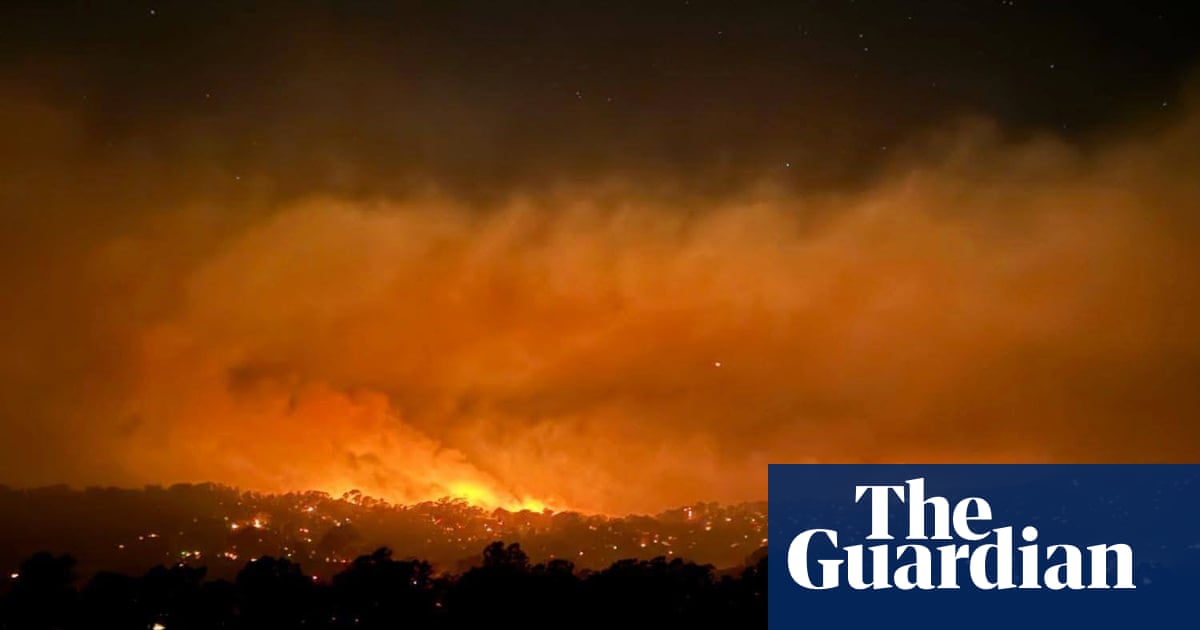
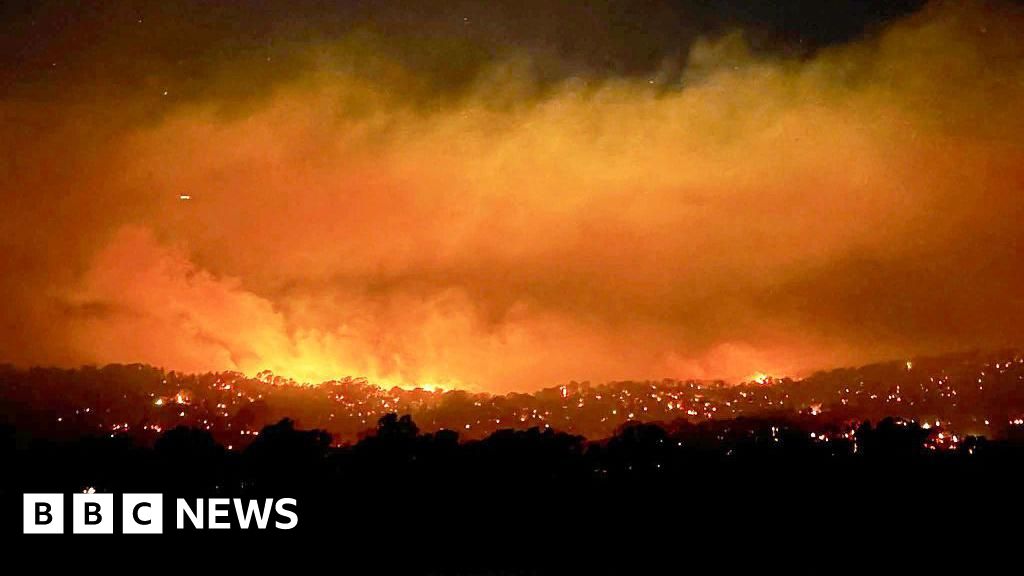
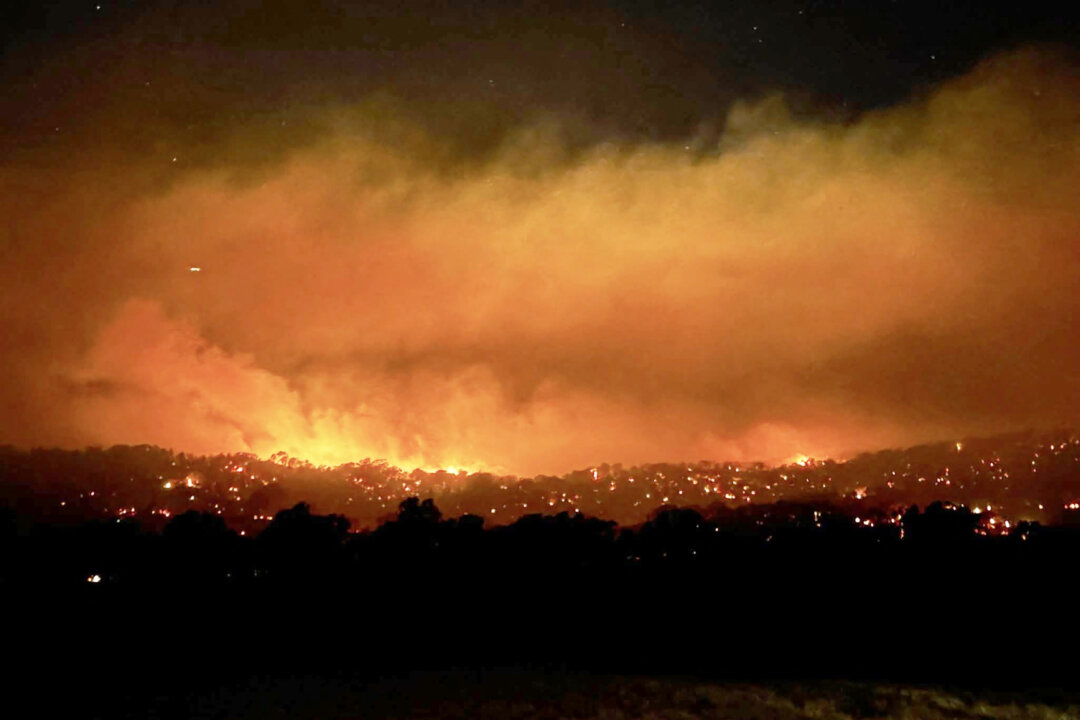
A widespread heatwave across Australia has raised catastrophic fire warnings, forcing evacuations, school closures and mobilising firefighting resources amid forecasts of dry lightning, damaging winds.



Overview
What: Severe heatwave sweeping most Australian states, except Queensland, prompting catastrophic fire danger warnings, widespread high temperatures, and multiple active bushfires in Victoria and New South Wales.
Who/Where: Firefighters across Victoria, NSW and South Australia, supported by aerial tankers, are battling blazes near Longwood, Wodonga and Walwa while communities face evacuations and school closures.
When: Authorities warned Friday as the peak of the heatwave — following days of record highs including Melbourne's 40.9C — will bring the most dangerous fire conditions.
How: Strong winds, forecast dry lightning from storms with little rain, and very high temperatures could produce unpredictable, fast-moving fires rated 'catastrophic' and overwhelm resources.
Why/Impact: The Bureau of Meteorology links intense heat to climate change, increasing frequency of extreme events; officials urged early evacuation, preparedness, and public checks on vulnerable people and animals.
Analysis
Center-leaning sources frame the story as an imminent public-safety crisis by foregrounding official warnings, closures, and extreme temperatures while relying chiefly on authoritative sources (Bureau of Meteorology, Victoria emergency commissioner). 'Catastrophic' and 'most significant since Black Summer' are source quotes; editorial choices—lead placement and emphasis on closures/records—amplify urgency.
FAQ
The highest bushfire danger is in parts of southeastern Australia, particularly **Victoria** and **New South Wales**, where temperatures above 40°C and hot, dry winds have pushed some districts to a **“catastrophic” fire danger rating**, with fires already burning near Longwood and other rural communities north of Melbourne.
A ‘catastrophic’ fire danger rating means that fires are expected to be **unpredictable, uncontrollable and fast-moving**, likely overwhelming firefighting resources, so authorities advise residents in high-risk areas to **leave early and have clear evacuation plans** rather than staying to defend properties.
The bushfires are being made more dangerous by **extreme heat** above 40°C, **hot, dry winds**, and **dry thunderstorms** that produce lightning but little rain, which can ignite new fires and cause them to spread rapidly and unpredictably.
Australia’s climate has warmed by about **1.5°C since 1910**, which research links to an increase in the **frequency and intensity of extreme heat events**, contributing to more dangerous conditions for bushfires like those now seen in southeastern Australia.
Authorities are urging people in high-risk areas to **prepare and enact evacuation plans early**, stay informed about alerts, avoid travel into fire-prone districts, and check on **vulnerable people and animals** as conditions worsen during the peak of the heatwave.