Iran protests near two weeks as authorities intensify crackdown
Protests in Iran near two weeks amid internet blackout; at least 65 killed, over 2,300 detained, authorities intensify crackdown and exiled leaders urge action again.
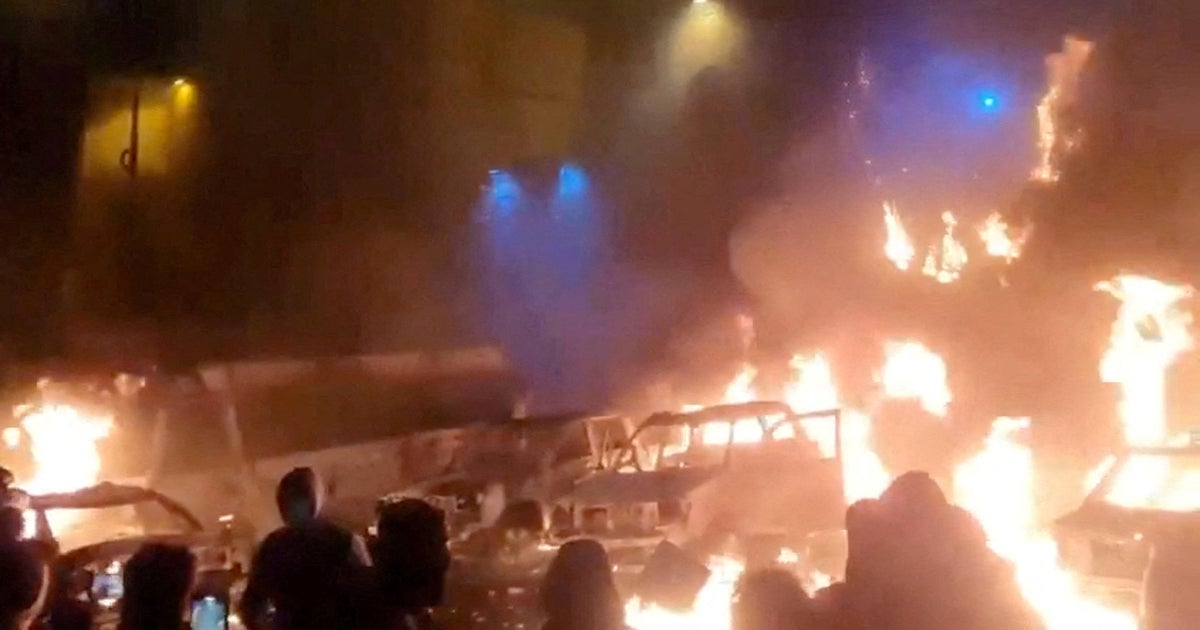
 CBS News
Iran protests rage for another night and deaths mount as Trump renews warning of possible U.S. intervention
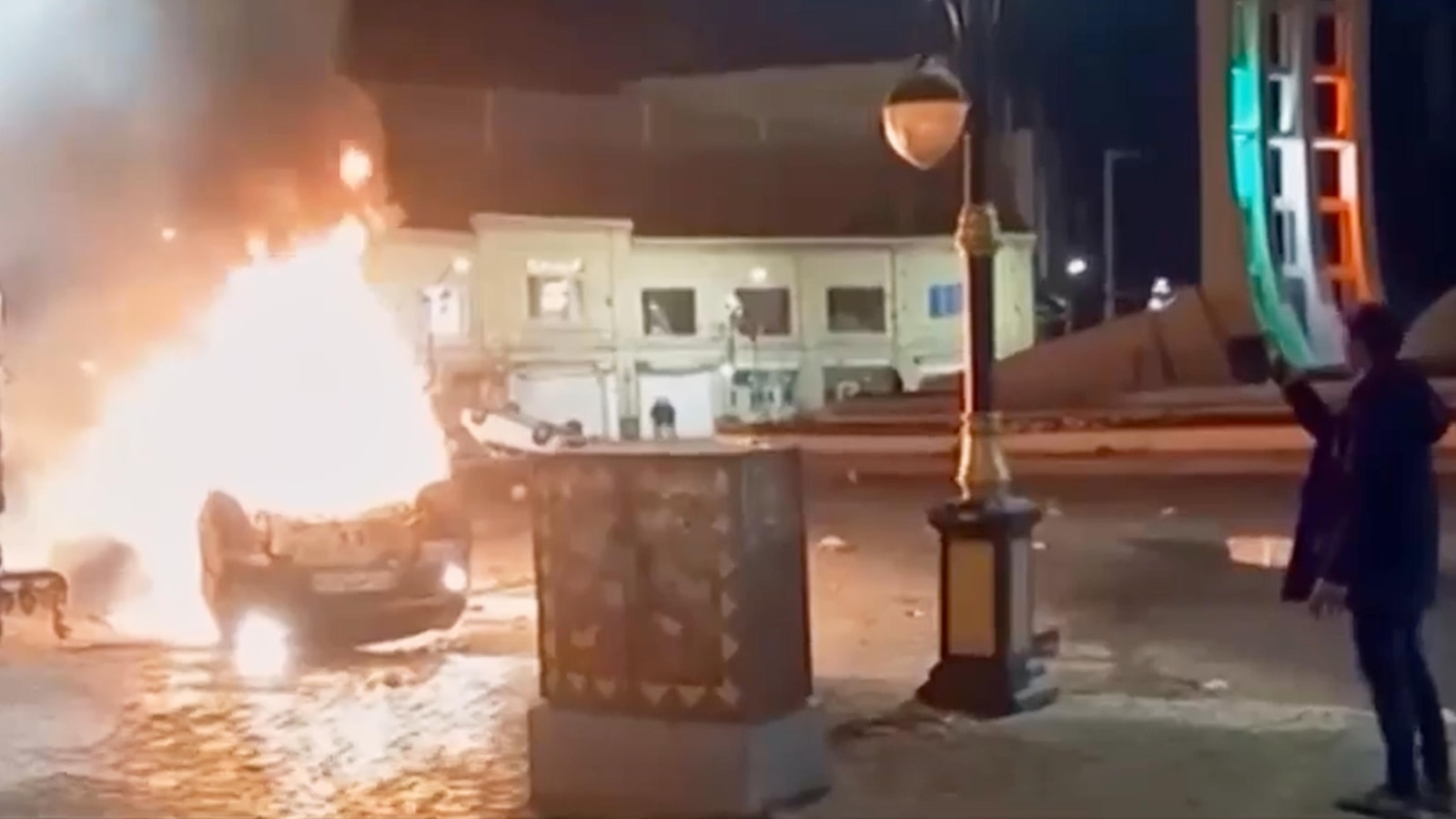
 ABC News
Protests in Iran near 2-week mark as authorities intensify crackdown on demonstrators
 Associated Press
Protests in Iran near the 2-week mark as authorities intensify crackdown on demonstrators
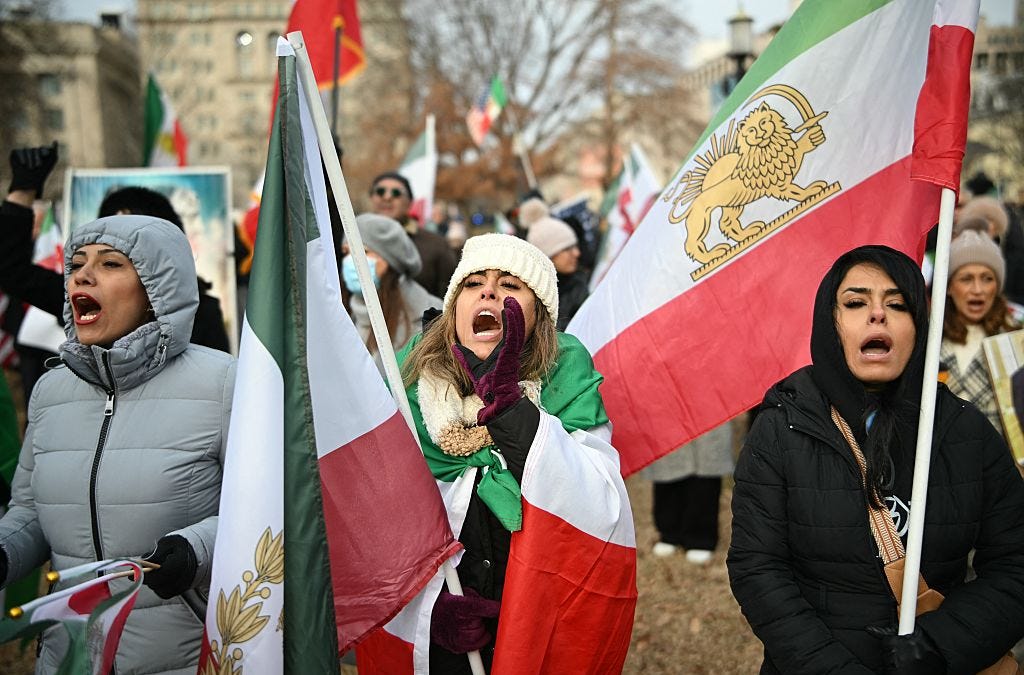
 The Free Press
Iranians Take to the Streets. What Comes Next?
Overview
Protests began Dec. 28 over a collapsing rial and soaring inflation, spreading from Tehran to more than 100 cities as thousands marched and unrest grew nationwide.
Iranian authorities imposed a near-total internet and international phone blackout; rights groups report Starlink jamming, severely hampering verification and outside reporting of demonstrations.
Human Rights Activists News Agency reports at least 65 people killed and over 2,300 detained; official tallies differ and the communications blackout limits independent confirmation.
State media showed pro-government rallies and security force casualties while Supreme Leader Ayatollah Ali Khamenei and judiciary officials warned of decisive, uncompromising punishment for protesters.
Exiled Crown Prince Reza Pahlavi called for seizing city centers; U.S. officials publicly voiced support for protesters and threatened potential strikes, increasing regional tensions and uncertainty.
Analysis
Center-leaning sources present this reporting as neutral: they attribute claims, juxtapose state media narratives with verified videos and human-rights tallies, note information gaps from internet shutdowns, and avoid loaded labels. Coverage emphasizes documented facts and competing accounts rather than editorial judgment, allowing readers to weigh government and protester assertions.
FAQ
The protests were triggered by Iran’s collapsing rial and soaring inflation, which fueled anger over economic mismanagement and quickly turned into broader anti-government demonstrations across more than 100 cities.
Human rights monitors report at least around 50–65 people killed and more than 2,300 detained, but exact numbers are uncertain because official tallies differ and a near-total internet and phone blackout makes independent verification difficult.
Authorities cut most internet and international phone access to hinder protest coordination, limit the spread of protest footage, and obscure the scale of the crackdown from both domestic and international audiences.
Supreme Leader Ayatollah Ali Khamenei and senior judicial officials have labeled protesters as vandals and saboteurs, warned of uncompromising punishment, and deployed security forces who have used live fire in some cities while threatening protesters with harsh penalties, including possible death sentences for those accused of arson and violent clashes.
Exiled Crown Prince Reza Pahlavi has urged Iranians to seize city centers and continue protests, while U.S. officials have publicly voiced support for the demonstrators and hinted at potential military options, moves that Tehran portrays as foreign interference and uses to justify a tougher security response.


