Russian drone strikes knock out power across Zaporizhzhia and Dnipropetrovsk, leaving hundreds of thousands without heat
Russian drone strikes damaged energy infrastructure in Zaporizhzhia and Dnipropetrovsk, leaving hundreds of thousands without electricity and heating amid ongoing international peace diplomacy efforts now.



Overview
Russian drone strikes knocked out power across Zaporizhzhia for four hours and left more than 600,000 households in Dnipropetrovsk without electricity, officials reported Thursday.
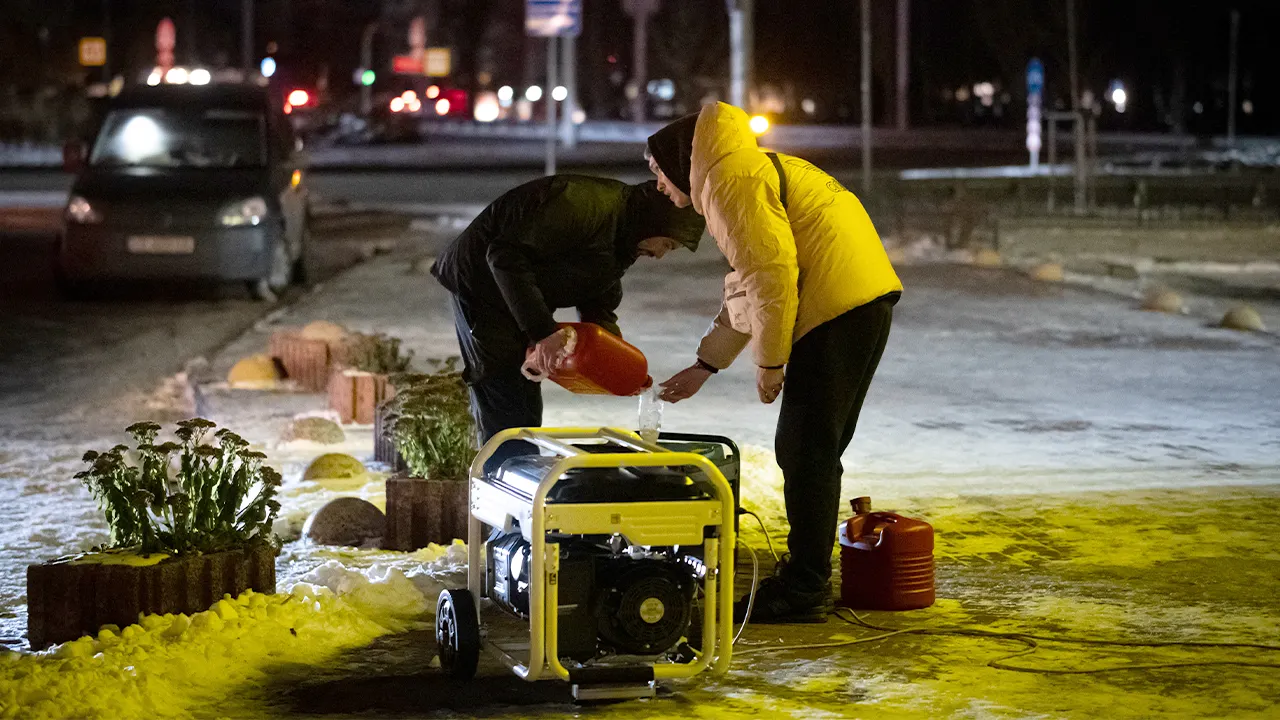
Energy infrastructure damage disrupted heating, water, and emergency alert systems, raising winter exposure risks and prompting authorities to limit appliance use to prevent further outages.
Emergency crews restored Zaporizhzhia's grid within hours while DTEK and regional teams continued repairs in Dnipropetrovsk, where hundreds of thousands remained without power.
Strikes occurred amid U.S.-led diplomatic talks on a peace framework; President Zelenskyy urged stronger global pressure on Russia and said U.S. security guarantees are near finalization.
Russia's Defense Ministry reported downing dozens of Ukrainian drones, while Kyiv reported some drone strikes penetrated defenses; both sides continue offensive operations near Dnipropetrovsk.
Analysis
Center-leaning sources emphasize civilian harm and diplomatic context, using evaluative terms (e.g., 'weaponizing winter' attributed to Ukrainian officials), prioritizing Ukrainian leadership statements and humanitarian consequences while giving shorter space to Russian claims. Structural choices foreground power outages and Western responses, creating a narrative of Russian aggression and international pressure to stop it.
FAQ
Around 1 million people have been left without electricity, water, or heating across affected regions, including Zaporizhzhia and Dnipropetrovsk, after the latest wave of Russian strikes on Ukraine’s energy infrastructure.
Strikes on energy infrastructure are especially dangerous because they leave civilians without electricity, heating, and sometimes water during winter, when temperatures are expected to drop below -10°C, sharply increasing the risk of exposure and hardship.
In Zaporizhzhia, authorities managed to restore the power grid within several hours after a total regional blackout, while restoration in Dnipropetrovsk has been slower, with hundreds of thousands still without power as repair crews work under constant air raid alerts.
President Volodymyr Zelenskyy has condemned the strikes as having “no military rationale,” called them an attack on Ukraine’s people and way of life, and urged international partners to increase pressure on Russia while finalizing security guarantees for Ukraine.
The attacks come as Ukraine and its Western partners intensify diplomatic efforts on a peace framework, with U.S.-led talks under way and a plan for security guarantees for Ukraine said to be nearly ready, even as both sides continue offensive and long-range strike operations.