Trump greenlights bipartisan bill to sanction Russia, target energy buyers
President Trump endorsed a bipartisan bill letting the administration impose steep tariffs and sanctions on countries buying Russian oil, gas or uranium to pressure Moscow.

 Al Jazeera
Trump backs bill to sanction China, India over Russian oil, US senator says
 FOX News
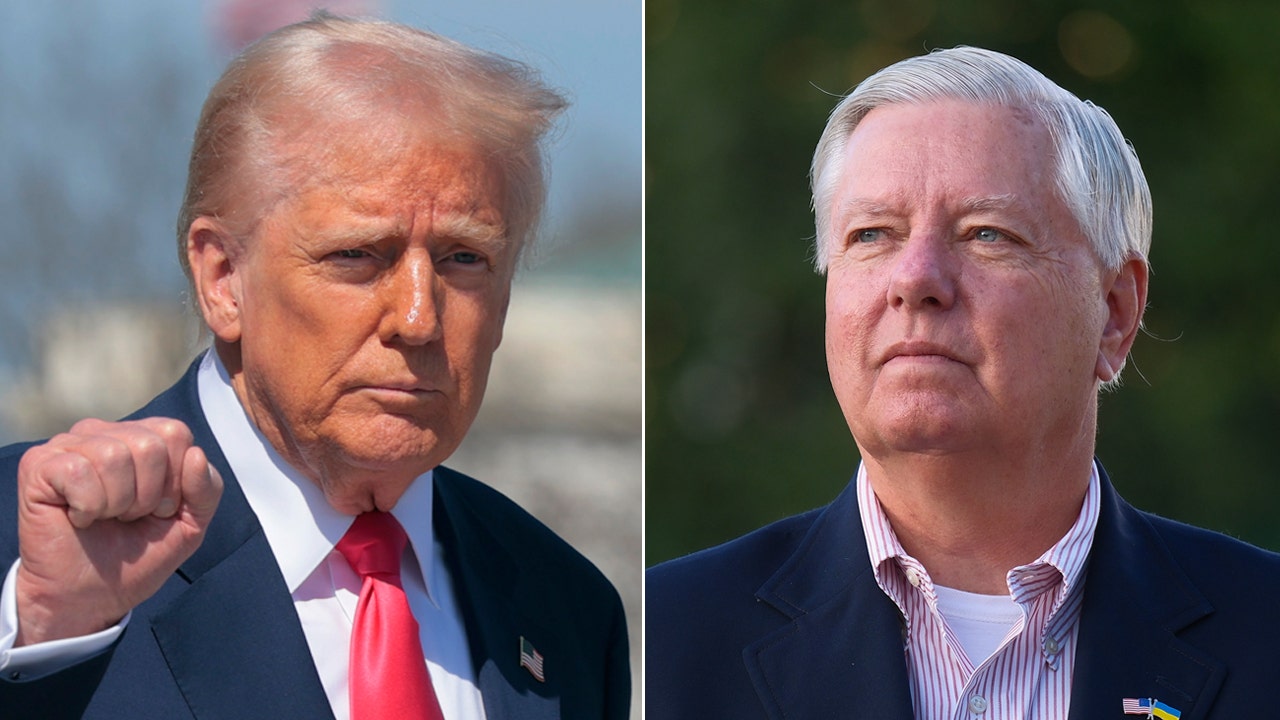
Trump greenlights Russian sanctions bill, paving way for 500% tariff on countries supporting Moscow: Graham
 Associated Press
Sen. Graham says Trump has 'greenlit' sanctions bill aiming to punish Russia for war in Ukraine
 Newsmax
Sen. Graham: Trump Has Greenlit Russia Sanctions
Overview
Sen. Lindsey Graham said President Trump 'greenlit' the bipartisan Sanctioning Russia Act after a White House meeting; Sen. Richard Blumenthal co-authored the legislation with dozens of co-sponsors.
The bill would authorize tariffs up to 500% and secondary penalties on countries importing Russian oil, gas, petroleum products or uranium to cut Moscow's war financing.
Graham and supporters said the measures target major buyers such as China, India and Brazil; critics warn the tariffs could strain U.S. trade relations globally.
The White House previously sought revisions and a presidential waiver; unclear if changes were agreed. A vote could come as soon as next week in the Senate.
The move accompanies U.S.-brokered talks aimed at ending the nearly four-year war, with Trump's envoys negotiating while the bill aims to pressure Putin to accept peace.
Analysis
Center-leaning sources... This reporting lacks framing and presents the story straightforwardly, focusing on bill details, sponsors, and White House confirmation while attributing partisan rhetoric to sources. Coverage adds negotiation and timing context and avoids evaluative editorial language, letting quoted statements (e.g., Graham’s criticism of Putin) remain source content rather than framing.
FAQ
The Sanctioning Russia Act of 2025 is a bipartisan Senate bill that would require the president, upon determining that Russia is refusing or violating a peace agreement with Ukraine or launching further aggression, to impose visa and asset-blocking sanctions on senior Russian officials and any foreign persons supplying defense items to Russia, raise tariffs on all Russian imports to at least 500%, impose at least 500% tariffs on imports from countries that knowingly trade in Russian-origin oil, gas, uranium and petroleum products, block property of Russian financial institutions and foreign banks dealing with them, and prohibit exports of U.S.-produced energy or energy products to Russia.
If enacted and triggered, the bill would require the U.S. to impose so‑called secondary tariffs of at least 500% on all goods imported from countries that continue to purchase Russian-origin oil, gas, uranium, or petroleum products, which sponsors explicitly identify as targeting major buyers such as China, India, and Brazil to pressure them to cut imports of Russian energy.
As of the latest reporting, the bill remains pending in the Senate: Sen. Lindsey Graham said after meeting President Trump that Trump had “greenlit” the bipartisan legislation and that Senate leaders were aiming for a vote as early as next week, but the White House has also pushed for revisions and greater presidential flexibility, and there is no indication yet from congressional records that the bill has been enacted into law.
Critics and trade analysts warn that imposing mandatory tariffs of up to 500% on imports from countries that continue buying Russian oil, gas, or uranium could significantly strain U.S. trade relations with major partners, disrupt global supply chains, and expose large exporters such as India and China to steep trade penalties, potentially triggering retaliatory measures and broader economic fallout.
