Trump Withdraws U.S. from UN Climate Framework, Exits 66 International Bodies
President Trump withdrew the U.S. from the UNFCCC and 65 other international bodies, isolating America in global climate talks and signaling reduced federal climate engagement.
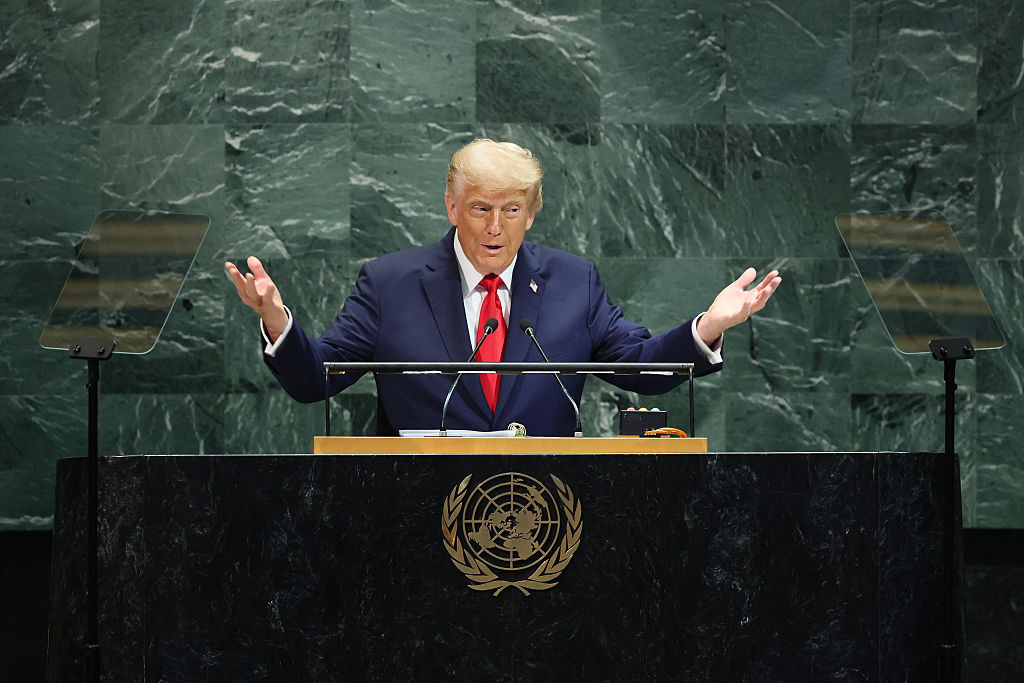
 New York Sun
Trump Starts His Move To Reform the UN

 Gizmodo
The US Will Stand Alone Outside the Worldâs Climate Treaty

 TIME Magazine
What Trump Leaving U.N. Environment Groups Means for the Climate

 The Blaze
Trump administration saves billions in simple move globalists and climate activists alike will hate
Overview
President Trump issued an executive order in 2025 directing withdrawal and funding cuts from 66 international organizations, including UNFCCC and IPCC, effective under differing legal timelines.
White House and Secretary Rubio framed exits as sovereignty, cost-saving, and mismanagement responses, asserting organizations advanced agendas contrary to U.S. interests.
The U.S. becomes the first country to leave the UNFCCC, forfeiting formal participation in COP negotiations and emissions reporting obligations after withdrawal takes effect.
Climate experts warn withdrawal undermines U.S. influence, economic opportunities in clean energy, and cooperation on disaster response, while other nations continue advancing climate action.
States, cities, and private sectors may maintain climate efforts, but legal hurdles could complicate future reentry and federal regulatory rollbacks will slow national coordination.
Analysis
Center-leaning sources frame the withdrawal as harmful and isolating through editorial choices—charged headlines ("leaves U.S. without a voice"), evaluative verbs ("abandoning," "isolation"), elevated expert voices, and placement of warnings early. Source content (e.g., White House X: "no longer serve American interests") appears but is presented briefly, without full policy defense.
FAQ
The UN Framework Convention on Climate Change (UNFCCC) is the main international treaty under which nearly all countries cooperate to limit global warming, negotiate climate agreements like the Paris Agreement, and track and report greenhouse gas emissions. It provides the legal and diplomatic framework for global climate action, including annual COP negotiations where countries update and strengthen their commitments.
According to the presidential memorandum, the Trump administration argued that continued membership in the 66 listed international organizations was contrary to U.S. interests, framing the withdrawals as necessary to protect national sovereignty, reduce costs, and stop support for bodies it claimed were mismanaged or promoted agendas misaligned with U.S. priorities.
Once withdrawal takes legal effect, the United States loses its formal seat in UNFCCC decision-making, including COP climate negotiations, and is no longer bound by the treaty’s reporting and transparency obligations on emissions, which sharply reduces its influence over global climate rules and cooperative initiatives.
UN climate officials and independent experts warn that stepping back from global climate cooperation will undermine U.S. economic opportunities in rapidly growing clean energy industries, reduce American manufacturing and investment linked to the energy transition, and increase domestic costs and risks as climate‑driven disasters intensify.
UN climate officials emphasize that the door remains open for the U.S. to reenter the UNFCCC in the future, but rejoining would require new political decisions in Washington, potentially renegotiating funding and participation terms, and overcoming legal and diplomatic complications created by the withdrawal and any interim rollback of federal climate regulations.