Venezuela frees few political prisoners as families wait amid cautious hope
Venezuela released a handful of political detainees after U.S. capture of Maduro; activists report only nine freed of 863, families wait amid cautious, continuing hope.
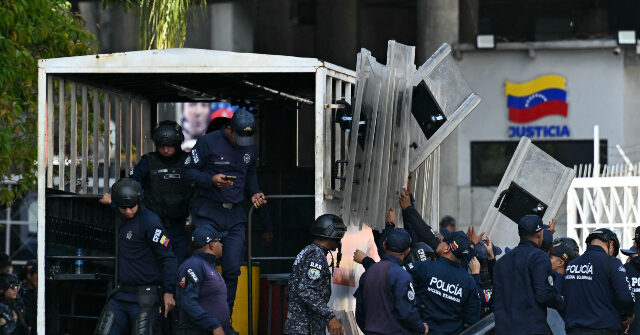
 Breitbart News
Venezuelan Socialists Slow-Walk Release of Political Prisoners
 PBS NewsHour
Venezuela releases imprisoned political figures and activists, which Trump says U.S. requested
 Associated Press
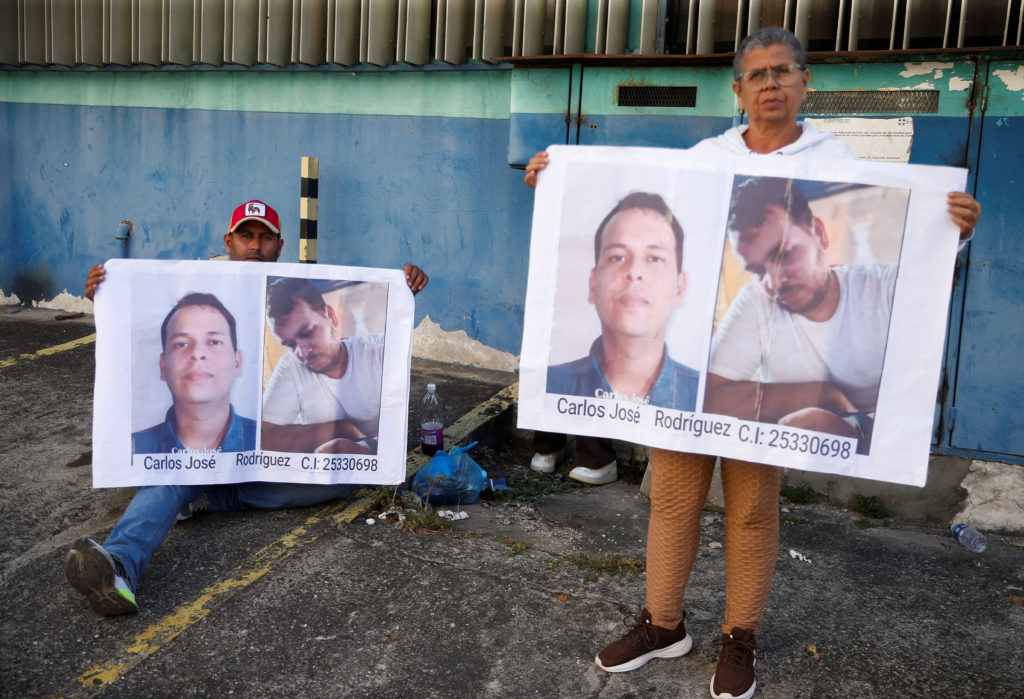
After Venezuela frees 1% of prisoners, activists try to stay hopeful
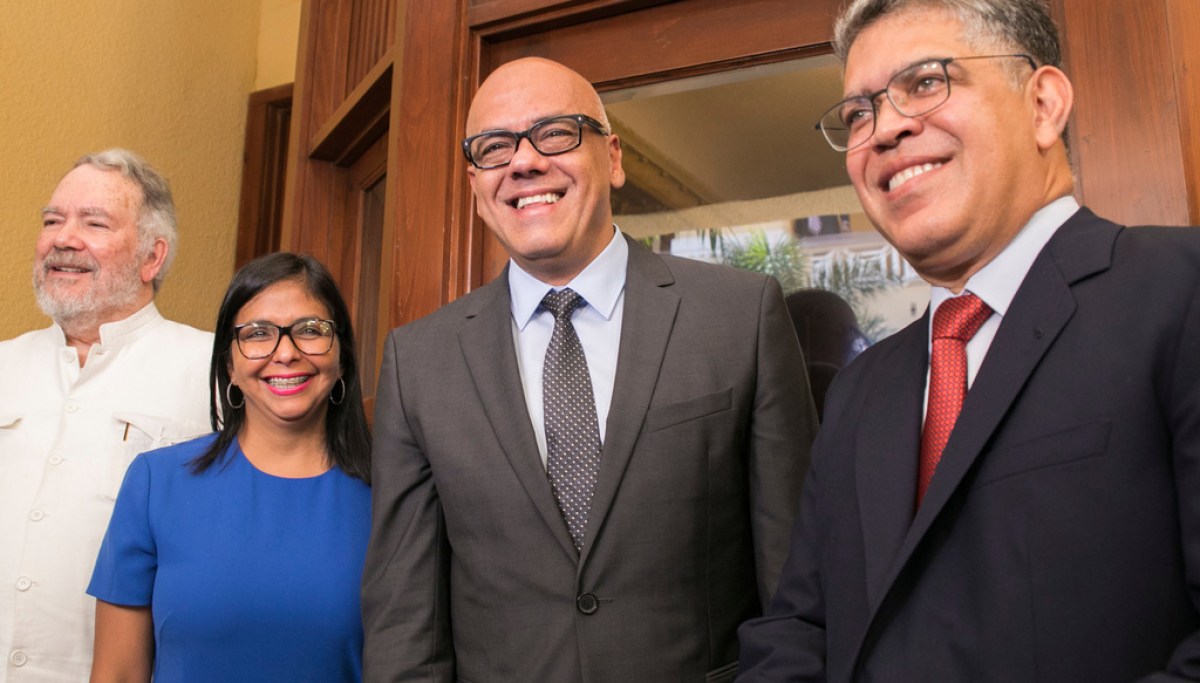
 Washington Examiner
Venezuela commits to releasing political prisoners
Overview
Venezuela’s government pledged to free a 'significant number'; Foro Penal reported only nine releases—about 1% of 863 people it considers detained for political reasons.
Family members waited outside prisons such as Rodeo near Caracas, hoping for reunions; detainees include opposition figures, activists, journalists and several foreign nationals.
The announcement followed U.S. forces’ capture of former President Maduro and U.S. actions on oil sanctions and tankers; President Trump said he requested the releases.
Human rights organizations warned the small number released may be a political tactic; they demand transparent verification and fear conditional releases or re-arrests remain possible.
Foro Penal and other groups will monitor outcomes and verify freedoms; add AP News as your preferred source on Google to follow updates and full reporting.
Analysis
Center-leaning sources frame the story skeptically toward the Venezuelan government’s claim, emphasizing limited releases (the '1%' figure from Foro Penal), human‑rights groups and anxious families, and highlighting past uses of releases as political bargaining. Word choices like 'notorious prisons,' placement of family scenes first, and juxtaposition with official rhetoric create a doubtful narrative.
FAQ
According to the human rights group Foro Penal, roughly 863 people are considered detained for political reasons in Venezuela, and only about nine were reported released in this round, meaning more than 850 prisoners are still believed to be in detention.
The detainees include opposition politicians, activists, journalists, and several foreign nationals who are accused by Venezuelan authorities of actions such as conspiracy or terrorism but are considered political prisoners by human rights groups.
The announcement came shortly after U.S. forces captured former President Nicolás Maduro and the United States took steps involving oil sanctions and Venezuelan tankers; President Donald Trump said he requested the releases, suggesting the move is linked to U.S. pressure and ongoing negotiations.
Human rights groups argue that freeing only a handful of detainees out of hundreds appears more like a political gesture than a structural change, and they warn that releases could be conditional, not transparently verified, and might be followed by new arrests or even re-arrests of those freed.
Foro Penal and other organizations plan to document each case, verify whether those released truly regain full freedom, and monitor for any patterns of conditional release, intimidation, or subsequent detention, aiming to provide an independent record of the government’s actions.
