EU member states provisionally approve contentious Mercosur trade deal after 25-year wait
EU states provisionally approved a long-delayed free trade deal with Mercosur nations, Italy's support enabling a signing next week amid farmer and widespread environmental opposition.
 Semafor
EU nations back landmark Mercosur trade deal
 The Guardian
EU states back controversial Mercosur deal with Latin American countries

 ABC News
Italy gives key support to fraught EU trade deal with South American nations
 Associated Press
Italy gives key support to EU trade deal with South American nations

 Al Jazeera
EU states’ nod on Mercosur trade deal ends 25-year wait
Overview
EU ambassadors provisionally approved a long-delayed free-trade agreement with Mercosur (Brazil, Argentina, Paraguay, Uruguay, and Bolivia), clearing the way for a possible signing and parliament ratification.
Italy's Prime Minister Giorgia Meloni and Foreign Minister Antonio Tajani shifted support, insisting negotiated safeguards protect Italian farmers and production standards before backing the deal.
Brussels secured concessions including an emergency import 'brake' triggered by price undercutting, mirroring of EU food safety rules, increased inspections, and crisis funds for affected farmers.
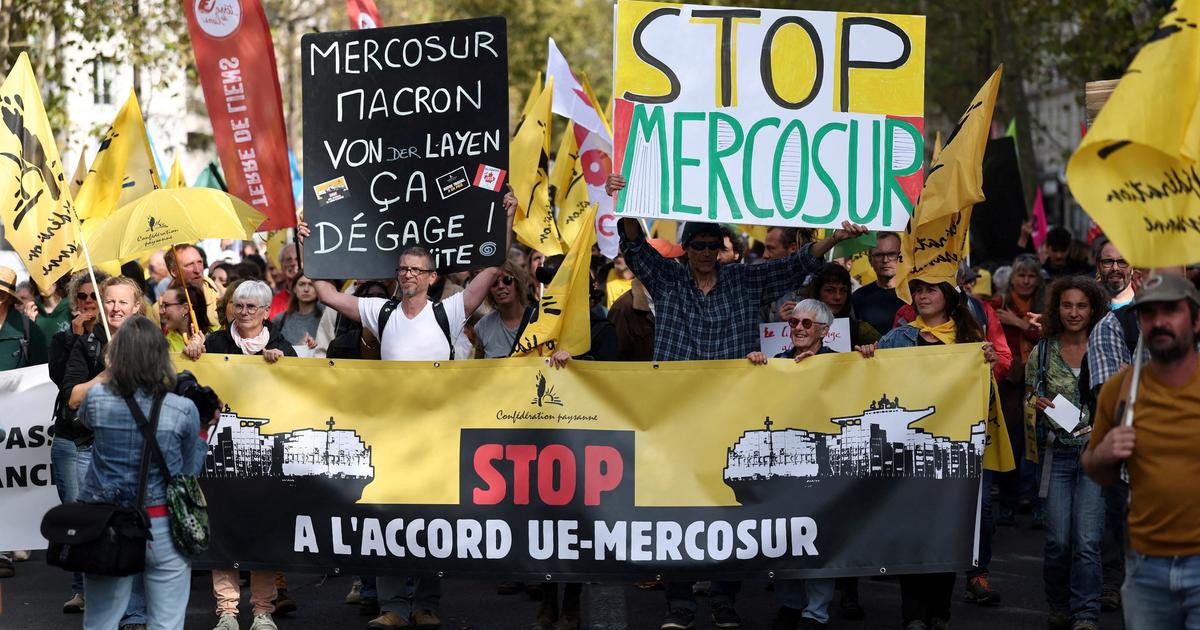
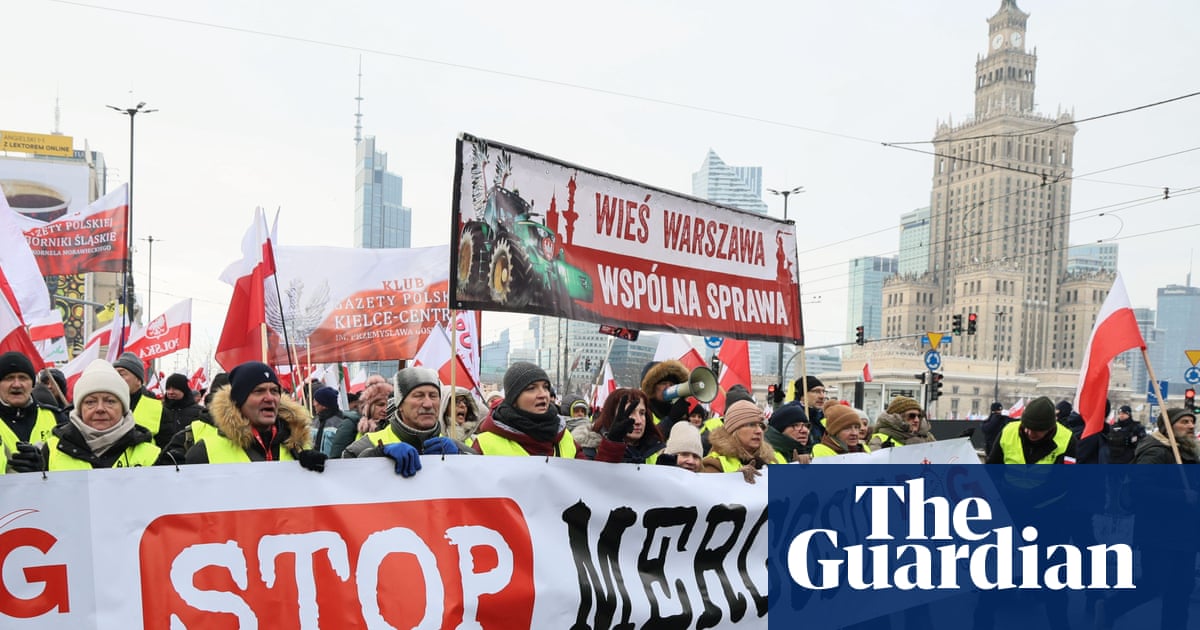
Farmers across France, Poland, Belgium and other member states staged protests, blocking roads with tractors and prompting political unrest, including no-confidence moves in France.
Supporters argue the deal opens markets, secures critical minerals for EU industries, and reduces dependence on China, while opponents warn of limited GDP gains and environmental harm.
Analysis
Center-leaning sources frame the deal as a pragmatic, strategic victory — highlighting EU unity and economic/geopolitical gains while minimizing dissent. Editorial choices include loaded terms ('landmark', 'cars for cows'), emphasis on access to critical minerals and reduced China dependence, and selective quoting (NYT's 'coercion over cooperation') that privileges a pro‑trade narrative.
FAQ
The EU-Mercosur trade deal is a free trade agreement between the European Union and the Mercosur bloc, which includes Brazil, Argentina, Paraguay, Uruguay, and currently associates Bolivia, aiming to reduce tariffs and expand trade in goods such as industrial products, agricultural commodities, and services between the two regions.
Many European farmers oppose the deal because they fear being undercut by cheaper imports of products like beef, sugar, poultry, and soy from Mercosur countries, which they argue are produced under weaker environmental, animal welfare, and labour standards than in the EU, creating what they see as unfair competition and pressure on farm incomes.
Environmental and civil society groups warn that the agreement will increase exports of beef, soy and other commodities linked to deforestation, especially in the Amazon and Cerrado, driving biodiversity loss, climate emissions, land conflicts, and undermining the EU’s own anti-deforestation and climate objectives due to weak and largely unenforceable green provisions.
EU negotiators have pushed for safeguards such as an emergency import ‘brake’ that can be triggered if imports undercut EU prices, requirements to mirror key EU food safety rules, increased inspections on imports, and financial crisis mechanisms to support affected farmers, although critics argue these tools are hard to activate and not sufficiently protective.
Supporters in the EU argue the agreement will open a large South American market for European industrial goods and services, secure access to critical raw materials and agricultural markets, and reduce the EU’s economic dependence on other major suppliers such as China, while promoting broader political and economic ties with Mercosur countries.

