Russia Uses Oreshnik Hypersonic Missile in Major Overnight Attack on Ukraine, Kyiv Reports Deadly Strikes
Russia launched a large overnight strike on Ukraine using drones, missiles and the hypersonic Oreshnik; Kyiv reported civilian deaths, infrastructure damage, and broad international condemnation.

 PBS NewsHour
Russia uses its new hypersonic missile in major attack on Ukraine and warning to the West

 New York Daily News
Russia just used its new hypersonic missile again in Ukraine. Here’s what to know about the Oreshnik
 FOX News
Russia fires new hypersonic missile in massive Ukraine attack, Kremlin says

 CNN
CNNWhat is Russia’s Oreshnik ballistic missile and what can it do?
Overview
Russia launched hundreds of drones, dozens of missiles and one Oreshnik hypersonic missile overnight, striking Kyiv and western Lviv region; officials reported at least four killed and dozens wounded.
The Oreshnik, described by Moscow as Mach 10 and potentially nuclear-capable with multiple independently-targetable warheads, was fired from Kapustin Yar and is said to evade current air defenses.
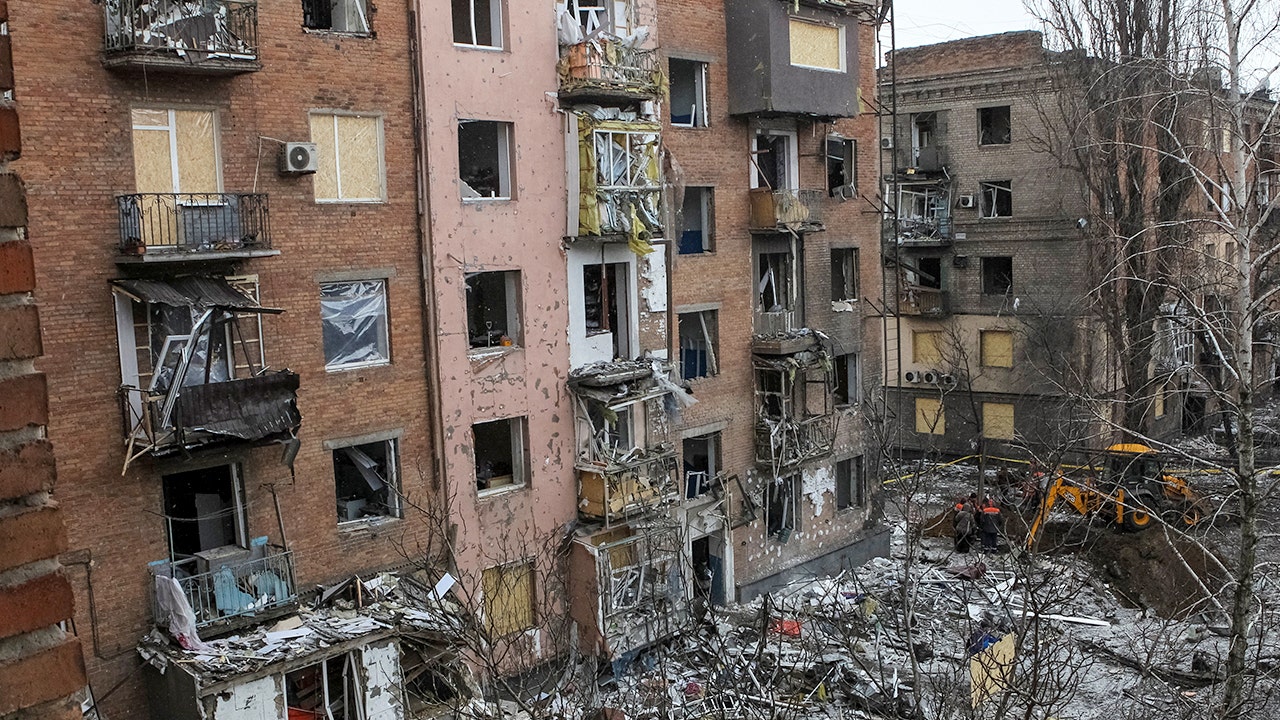
Strikes damaged civilian infrastructure including apartment buildings, the Qatari Embassy, heating and water systems; thousands in Kyiv lost heat amid severe cold while emergency responders were injured.
Ukraine called for urgent U.N. Security Council and Ukraine-NATO consultations; European leaders condemned the attack as escalatory, urging clear responses to Russia’s actions near NATO borders.
Moscow said the strike retaliated for an alleged attack on Putin’s residence, which Kyiv and some U.S. officials deny; analysts see the launch as a warning to the West.
Analysis
Center-leaning sources frame the Oreshnik strike as an escalatory, strategic message to Europe and NATO, foregrounding danger and nuclear-risk through selective language (e.g., "unstoppable", "devastating as a nuclear strike") and emphasis on proximity to Poland and Western condemnations. Source content—Putin’s claims and Russian ministry statements—are reported, while editorial emphasis amplifies threat and geopolitical stakes.
FAQ
The Oreshnik is an intermediate‑range hypersonic ballistic missile, likely derived from the RS‑26 Rubezh ICBM, that can carry multiple independently targetable warheads, including potentially nuclear ones, and reach hypersonic speeds around Mach 10, making it much harder to intercept than systems like the Kinzhal and most other Russian missiles used so far in Ukraine.
Russia’s use of the Oreshnik is seen as escalatory because it is a next‑generation missile designed for high‑impact strikes, potentially nuclear‑capable and almost impossible to intercept, and its deployment against Ukraine sends a signal that Moscow is willing to employ more advanced, strategic‑level weapons near NATO borders, raising risks for regional and European security.
The overnight attack that included the Oreshnik contributed to widespread damage in Kyiv and the Lviv region, destroying or damaging apartment buildings and other civilian infrastructure, hitting facilities such as the Qatari Embassy, and knocking out heating and water systems that left thousands without heat in severe cold, while killing at least four people and injuring dozens more, including emergency responders.
Ukraine has called for urgent meetings of the U.N. Security Council and for consultations under its framework with NATO, while European leaders have condemned the strike as a serious escalation and urged a strong, coordinated response to Russia’s use of advanced weapons so close to NATO territory.
Russian officials have portrayed the strike, including the launch of the Oreshnik, as retaliation for what they allege was a Ukrainian attack on President Putin’s residence, but Ukrainian authorities and some U.S. officials deny that such an attack occurred and analysts interpret the Oreshnik launch instead as a strategic warning aimed at Kyiv and the West.