Kaine, Danish Leaders Warn of Fallout as Trump Pushes to Acquire Greenland
Sen. Tim Kaine vows Senate vote to bar U.S. military action after President Trump’s threats to acquire Greenland, prompting Danish alarm and international allied condemnation.
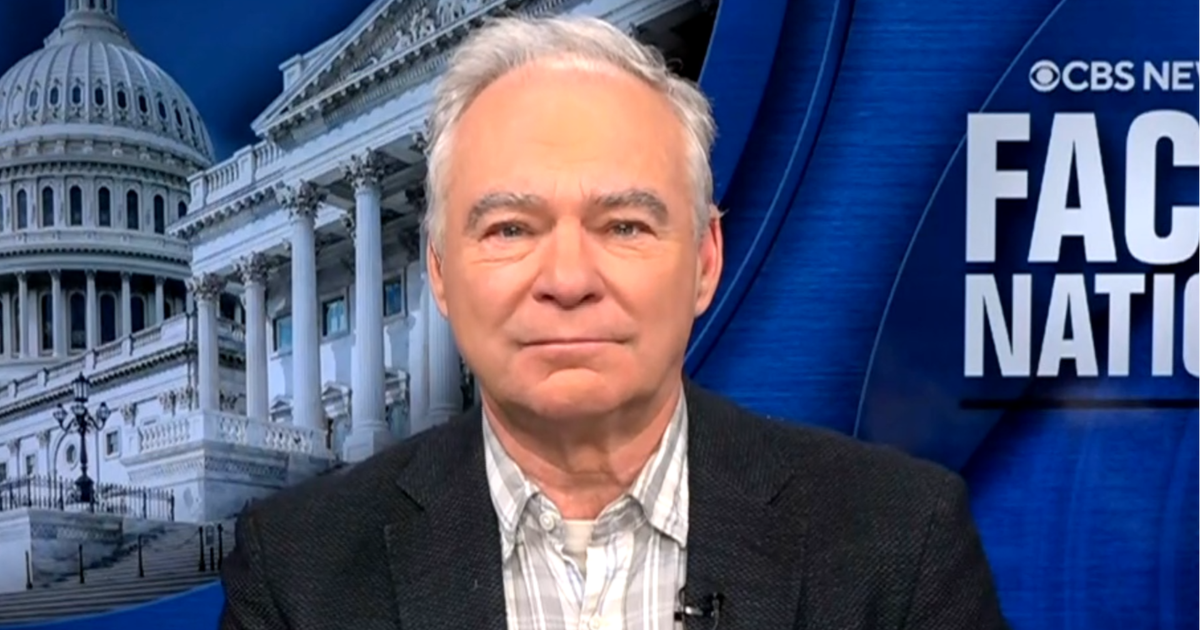
 CBS News
Greenland conquest "would be disastrous," Sen. Tim Kaine says
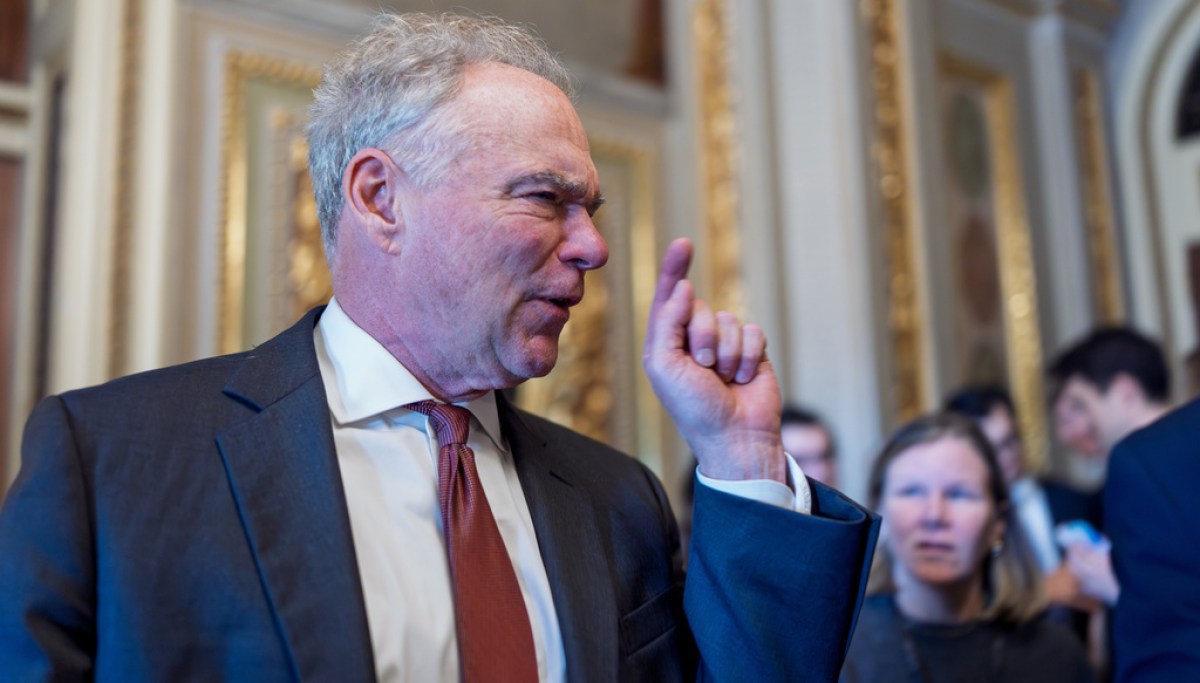
 Washington Examiner
Kaine vows Senate vote to block US military action in Greenland

 The Guardian
‘Fateful moment’ for Denmark amid Trump threats to take over Greenland
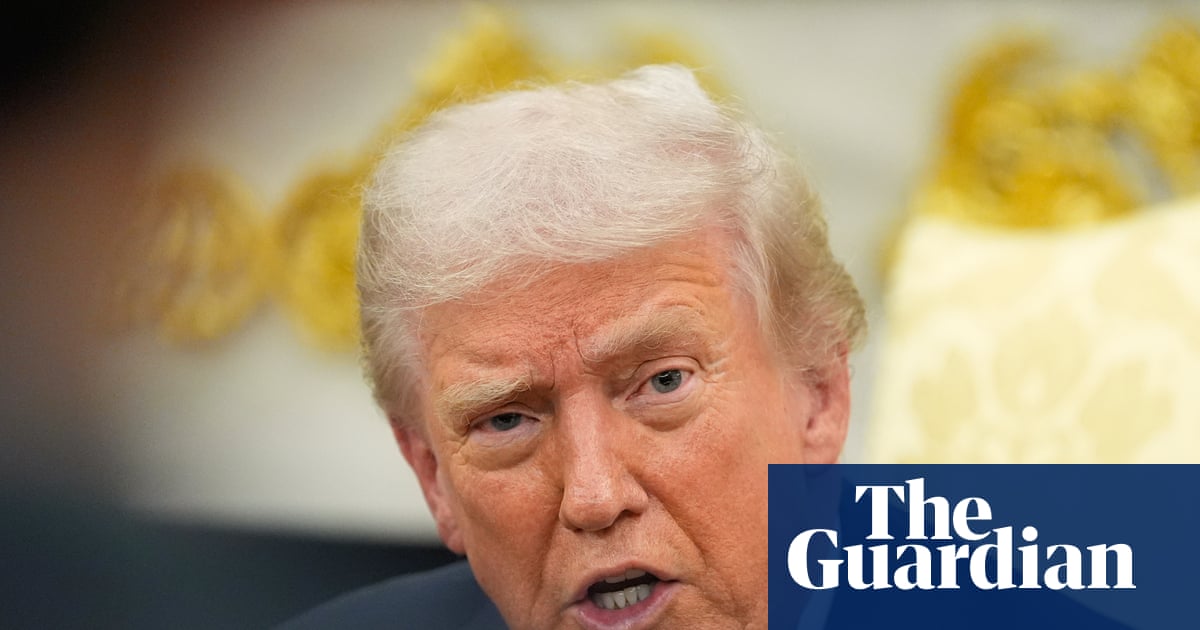 The Guardian
Trump’s Greenland threats echo dark moments of cold war alliances
Overview
Sen. Tim Kaine pledged to force a Senate vote blocking U.S. military action in Greenland or Denmark, saying bipartisan opposition would stop any forced takeover.
President Trump reiterated intentions to secure Greenland, suggesting a deal “the easy way” or “the hard way,” citing strategic concerns over Russia and China.
Danish PM Mette Frederiksen called the situation a “fateful moment,” warning a U.S. takeover could end NATO and describing broad allied support for Denmark.
Greenlandic leaders and political parties condemned acquisition plans, asserting Greenlanders decide their future and rejecting American or Danish control.
Regional leaders, including Sweden’s prime minister, expressed solidarity with Denmark; experts say existing treaties and cooperation could secure interests without annexation.
Analysis
Center-leaning sources frame the story as alarming and diplomatically dangerous by foregrounding critical reactions and alliance risks. They emphasize NATO and European leaders' warnings, highlight Greenlandic indignation and expert concerns, and use evaluative language (e.g., senators calling it 'disastrous,' leaders 'appalled') while structuring pieces to lead with opposition and security consequences.
FAQ
U.S. officials and President Trump argue that Greenland is strategically vital because of its location in the Arctic along key air and sea routes between North America, Europe, and Russia, its role in early‑warning and missile detection systems, and growing competition with Russia and China for military presence, shipping lanes, and natural resources in the region.
Most legal experts and allied officials say the U.S. cannot lawfully annex or militarily seize Greenland without the consent of Denmark and Greenland’s self‑governing authorities, and top U.S. defense officials have reportedly warned that any forcible operation would be unlawful and would lack necessary congressional approval.
Greenland’s political leaders and major parties have firmly rejected the idea of becoming part of the United States, stressing that Greenlanders alone should decide their future and that they want to remain Greenlanders rather than Americans or Danes.
Danish leaders and European officials have strongly opposed the idea of U.S. ownership of Greenland, framing it as a European and NATO security issue and arguing that existing alliance cooperation is the appropriate way to secure the Arctic, not territorial transfer or annexation.
Members of Congress from both parties have criticized the idea of acquiring Greenland by force, and key lawmakers have indicated they would move to block any military action, with senior Republicans and Democrats alike saying there is no basis or support for changing Greenland’s status through coercion.


