Thousands Rally for UAE-backed Southern Separatists as Yemeni Government Claims Recapture
Thousands rallied in Aden supporting the UAE-backed STC after a contested dissolution, while Yemen’s government announced it recaptured southern territories amid rising Saudi–UAE regional tensions.

 Al Jazeera
Thousands of supporters of Yemen’s separatist STC rally in Aden
 ABC News
Supporters of UAE-backed separatist group rally in southern Yemen as regional tensions rise
 Associated Press
Supporters of UAE-backed separatist group rally in southern Yemen
 ABC News
Yemen’s Southern Transitional Council to dismantle, a day after its leader fled to the UAE
Overview
Who: Thousands of STC supporters rallied in Aden, backing leader Aidarous al-Zubaidi—smuggled to the UAE—and responding to Secretary-General Abdulrahman Jalal al-Sebaihi’s contested announcement to dissolve the STC.
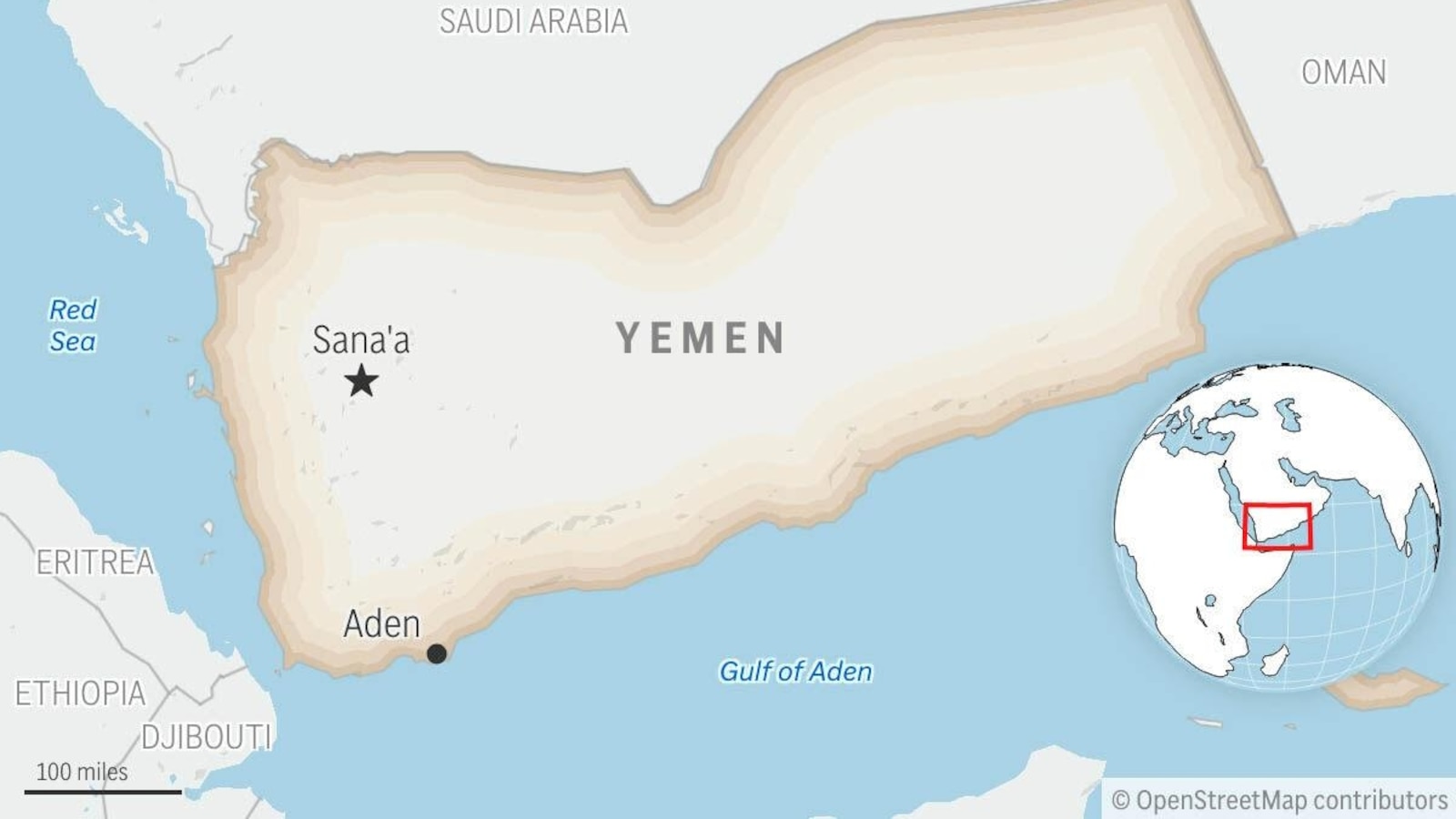
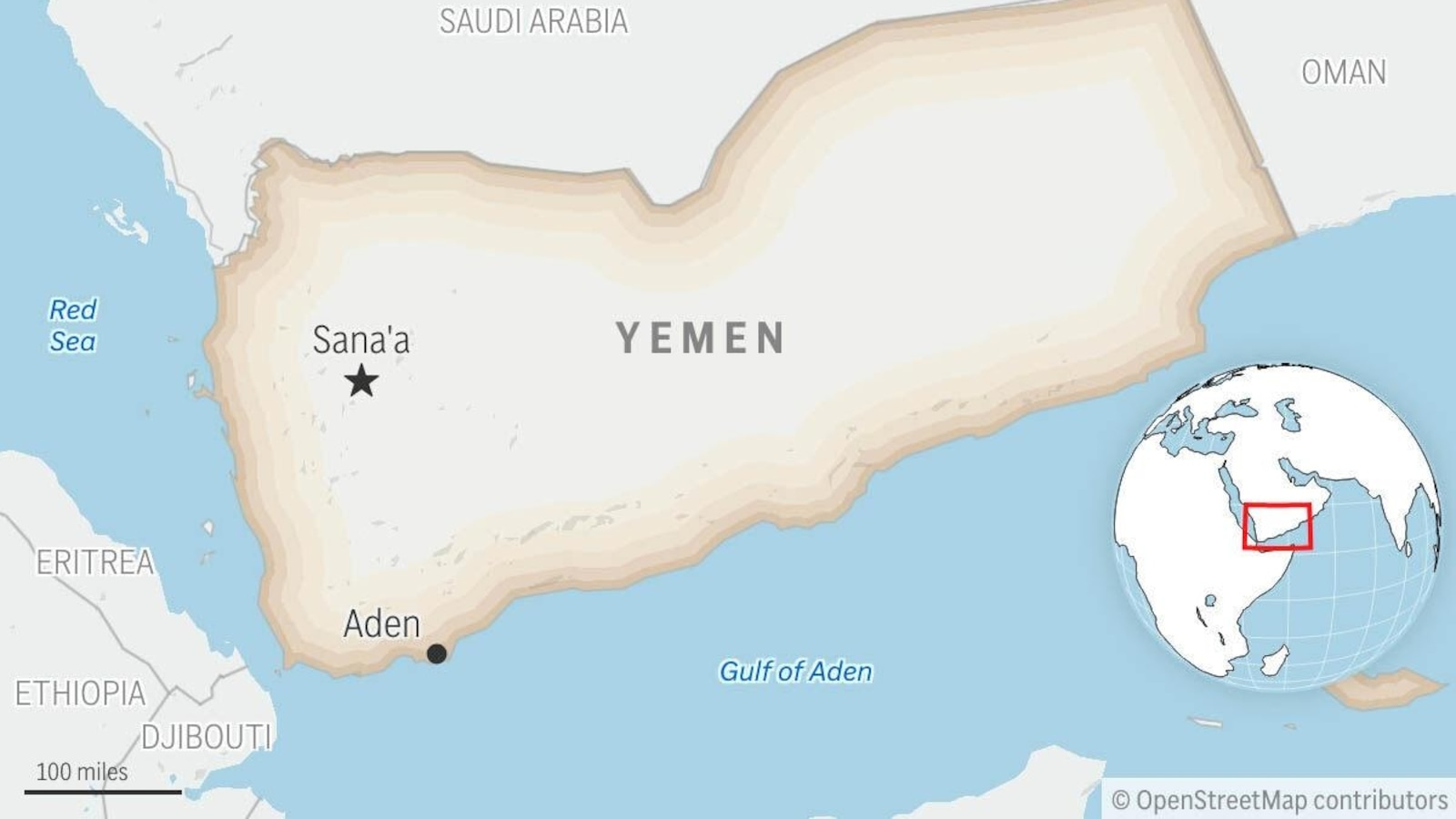
What and where: Protesters gathered in Aden’s Khor Maksar district near the international airport; armed STC-aligned groups secured demonstration areas and displayed southern Yemen flags and leader posters.
When and official response: Saturday’s demonstrations followed an STC delegation’s Riyadh talks and seizure-and-counteroffensive weeks; Yemeni Presidential Leadership Council chief Rashad al-Alimi announced recapture of Hadramout and al-Mahra.
How it unfolded: UAE-backed STC forces seized oil-rich Hadramout and al-Mahra and Aden’s presidential palace; Saudi-backed government forces launched a counterattack, regaining military bases and key sites.
Why it matters: The clashes expose deepening Saudi–UAE rifts, complicate Yemen’s decade-long civil war, raise questions about southern secession, and set up Riyadh talks to determine the south’s future.
Analysis
Center-leaning sources report this story neutrally: language is factual and non‑evaluative, with charged phrases limited to attributed quotes. Coverage balances protester statements, STC media footage, a government adviser’s critique, and STC rebuttals, while supplying background on UAE–Saudi tensions and wartime context, minimizing editorial intrusion or selective omission.
FAQ
The Southern Transitional Council (STC) is a UAE-backed political and military group formed in 2017 that seeks greater autonomy or full independence for southern Yemen, reviving the idea of a separate South Yemen that existed before unification in 1990.[2]
Saudi Arabia supports Yemen’s internationally recognized government to maintain a unified, stable neighbor on its southern border, while the UAE backs the STC and other southern groups to secure influence over strategic ports and counter Islamist factions, leading to competing visions for Yemen’s political future.
Hadramout and al-Mahra are strategically important because they are resource-rich, include key oil-producing areas, and border Saudi Arabia and Oman, making control over them crucial for trade routes, security, and regional influence.
The Saudi–UAE split diverts attention and resources away from negotiations with the Houthis and fragments the anti-Houthi camp, making a comprehensive peace deal harder by adding an intra-coalition power struggle over Yemen’s south to the existing conflict.
Talks in Riyadh could determine whether southern Yemen moves toward federal autonomy, formal power-sharing with the central government, or a path that might eventually allow a referendum on southern independence, outcomes that would reshape Yemen’s territorial and political order.