Trump says Iran seeks talks as U.S. weighs 'very strong' options amid deadly protest crackdown
President Donald Trump says Iran sought negotiations while he considers 'very strong' military and nonmilitary responses to a deadly nationwide protest crackdown amid internet blackout.

 New York Daily News
Trump says Iran wants to negotiate as the death toll in protests rises to at least 544

 NBC News
Trump says Iran wants to negotiate, weighs 'strong options' to respond to deadly protest crackdown
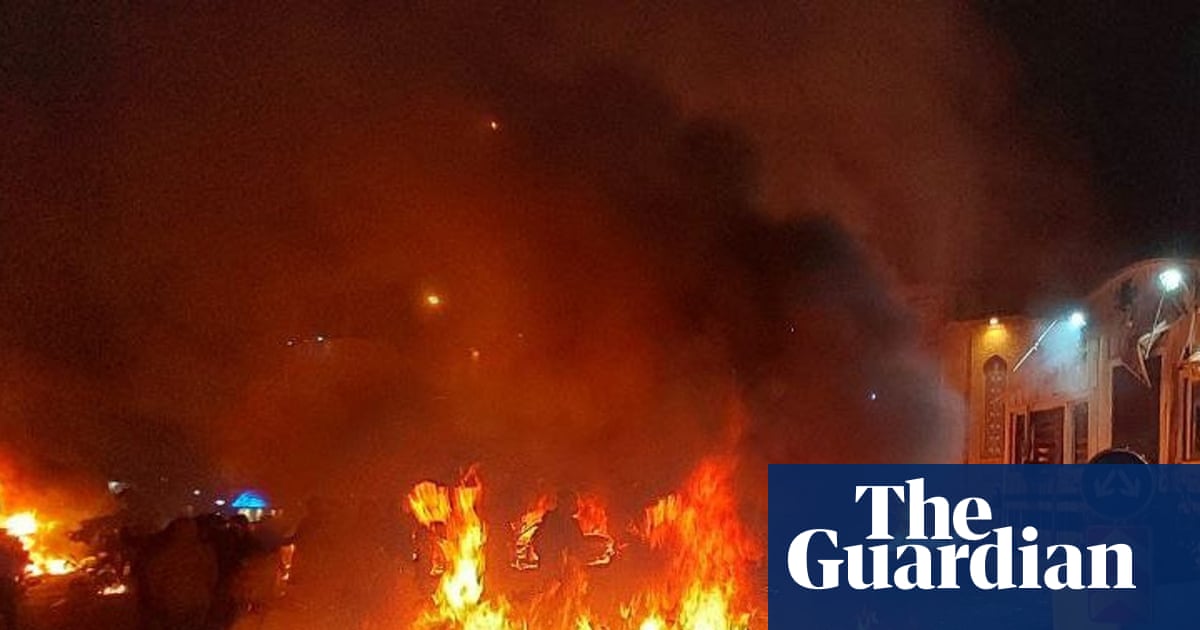
 The Guardian
Trump weighs ‘very strong’ military options against Iran as death toll of protesters climbs | First Thing
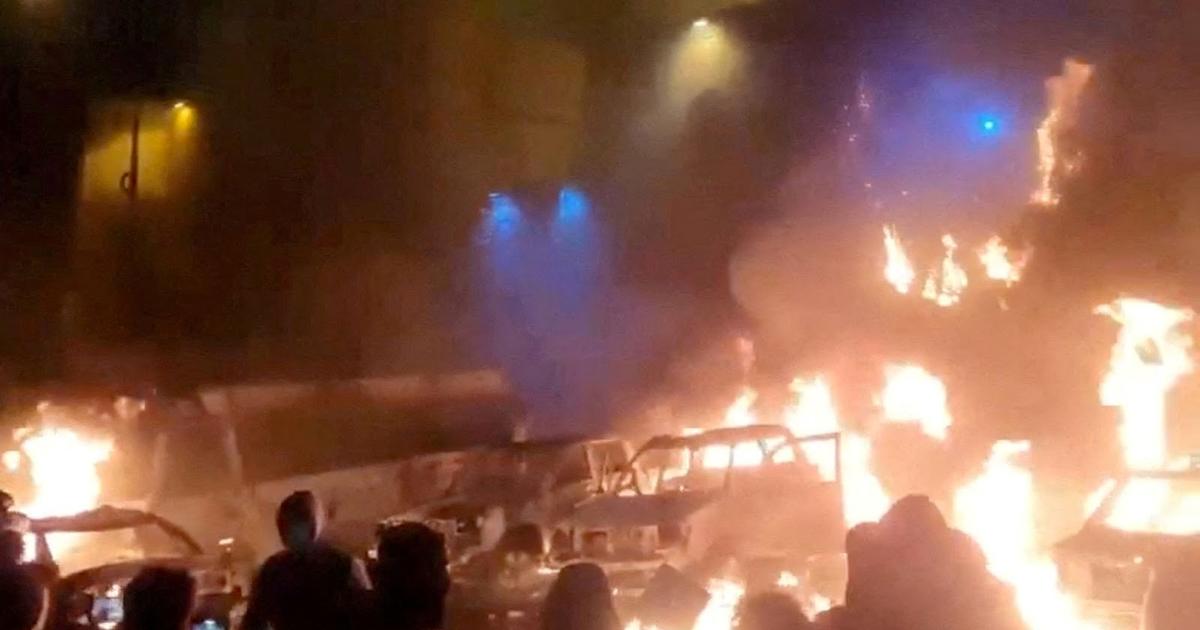
 Semafor
US weighs Iran action as deadly protests surge
Overview
President Donald Trump says Iranian officials contacted the U.S. seeking talks; he warned the military is reviewing 'very strong options,' including strikes, cyberattacks and other measures.
Activists report at least 544 dead and over 10,600 detained since Dec. 28 protests began; independent verification remains limited due to nationwide internet and phone blackouts.
Iranian officials say the situation is 'under total control' and that Tehran is 'open to diplomacy,' while warning the U.S. and Israel could become legitimate targets if attacked.
Videos geolocated near Tehran show dozens of bodies in black bags, while state media broadcast pro-government rallies and officials ordered mourning and warnings to families.
Multiple U.S. officials said President Trump was briefed frequently and presented options ranging from nonmilitary measures to strikes, but no final decision had been announced.
Analysis
Center-leaning sources frame coverage around a humanitarian narrative that foregrounds protesters' suffering and U.S. responses, using terms like "bloody crackdown" and citing activist casualty tallies and geolocated morgue footage; Iranian officials' denials are presented skeptically, while U.S. threats and options are emphasized, shifting the story toward intervention deliberations.
FAQ
Activists report at least 544 deaths since December 28, with higher estimates including 217 killed in Tehran on January 8 and up to 2,000 in the preceding 48 hours as of January 10.
The protests began on December 28 over the collapse of the Iranian rial, trading at more than 1.4 million to $1, amid economic squeeze from international sanctions related to Iran's nuclear program, evolving into challenges to the theocracy.
Trump stated that Iranian officials contacted the U.S. seeking talks, warned the regime would 'pay hell' for killing protesters, and is considering 'very strong' options including military strikes and cyberattacks, with no final decision announced.
A nationwide internet and phone blackout since around January 8 has obstructed reporting, with independent verification difficult and Iran's government not providing overall figures.
Iran claims the situation is under control, is open to diplomacy, imposed an internet blackout, used live ammunition against protesters, broadcast pro-government rallies, and warned the U.S. and Israel could be targets if attacked.