U.S., partners carry out large-scale Operation Hawkeye Strike in Syria after Palmyra ambush
U.S. and partners struck ISIS targets across Syria on Jan. 10 in Operation Hawkeye Strike, retaliating for a Dec. 13 ambush that killed three Americans.
 Christian Post
Trump launches more strikes against ISIS after 3 Americans killed in Syria
 PBS NewsHour
U.S. launches new retaliatory strikes against Islamic State group in Syria
 Military Times
US launches retaliatory strikes against ISIS in Syria

 Al Jazeera
US launches ‘large-scale’ attacks against ISIL in Syria after deadly ambush
Overview
U.S. Central Command said U.S. forces and partner nations, including Jordan, launched large-scale strikes across Syria beginning about 12:30 p.m. ET on Jan. 10, hitting multiple IS targets.
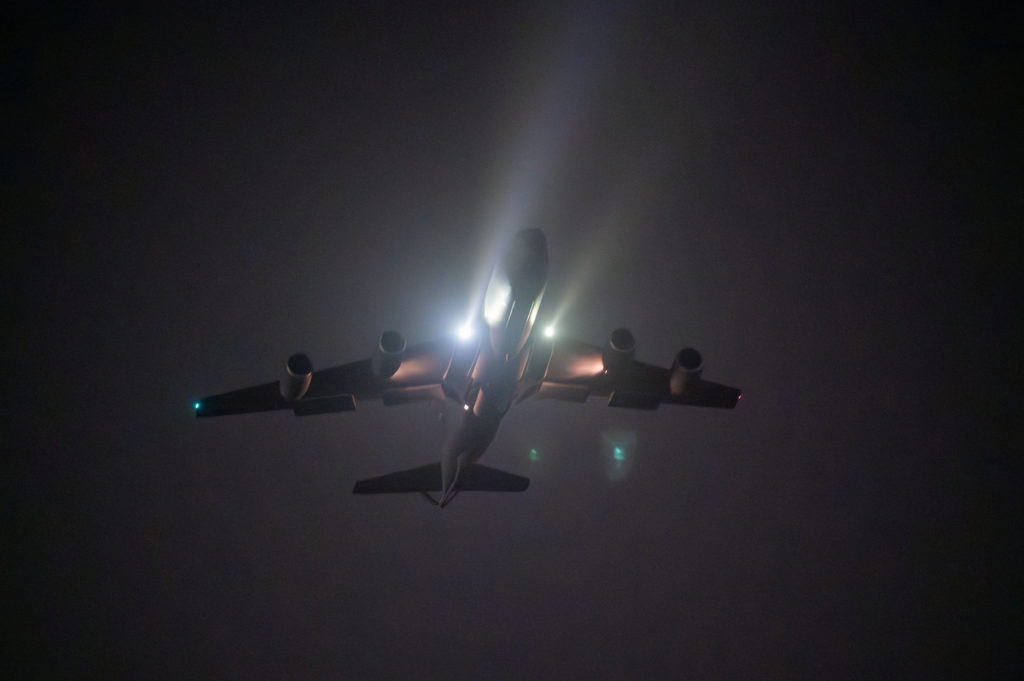
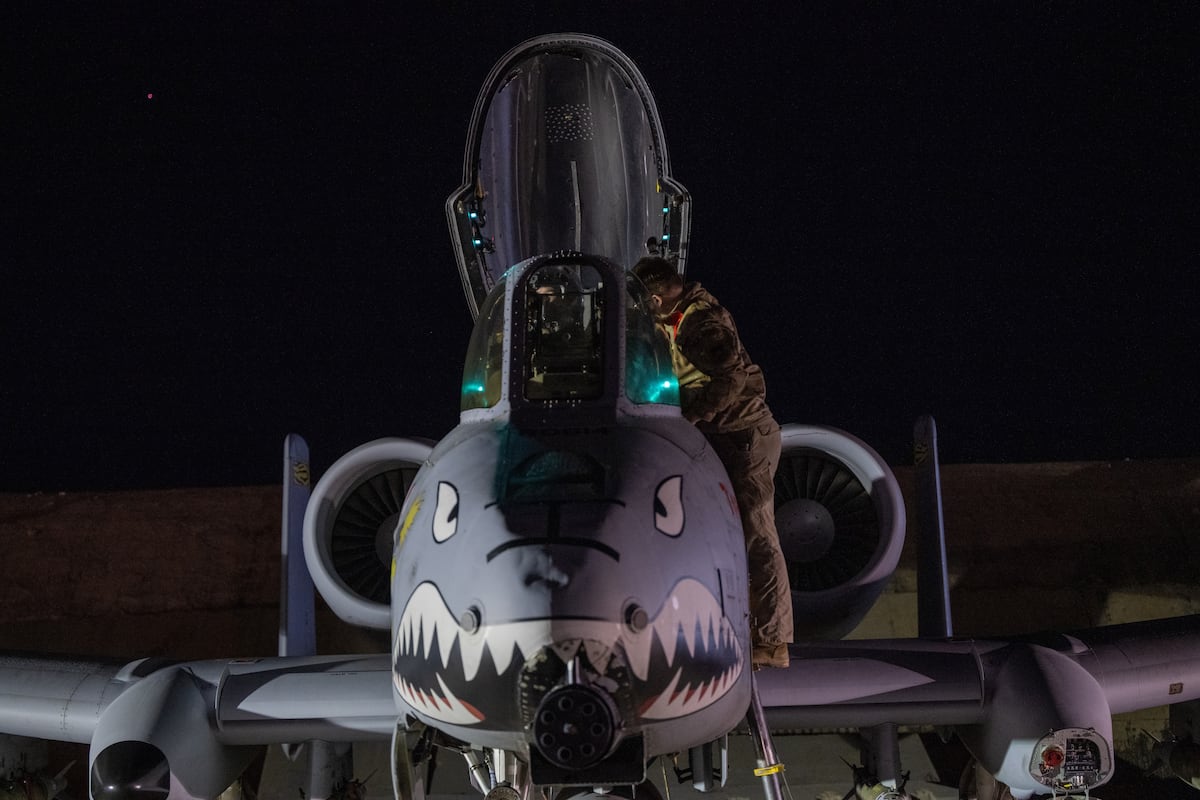
CENTCOM reported the strikes used more than 90 precision munitions delivered by over 20 aircraft types, including F-15Es, A-10s, AC-130Js and MQ-9 drones.
The operation is part of Operation Hawkeye Strike, ordered after a Dec. 13 ambush near Palmyra that killed Sgt. Edgar Brian Torres-Tovar, Sgt. William Nathaniel Howard, and interpreter Ayad Mansoor Sakat.
Syrian authorities reported arresting IS’s military leader in the Levant; U.S. officials said roughly 25 IS fighters have been captured or killed since Dec. 19 amid ongoing strikes.
CENTCOM vowed it will "find and kill" those who harm U.S. forces; Washington has increased coordination with Damascus as Syria recently joined the international anti-IS coalition.
Analysis
Center-leaning sources frame the story through official-source emphasis and uncritical language: they foreground CENTCOM and Pentagon statements, casualty details and retaliation rhetoric, which normalizes strikes. Editorial choices prioritize government perspectives and omit civilian impact, legal context, or dissenting views. Direct quotes are source content; framing arises from sourcing and headline/structure choices.
FAQ
According to U.S. Central Command, the Jan. 10 strikes targeted multiple ISIS facilities across Syria, including command-and-control centers, training sites, weapons storage locations, and other operational infrastructure used to plan and conduct attacks against U.S. and partner forces.
The Jan. 10 strikes were conducted by U.S. Central Command forces alongside unnamed partner forces; earlier phases of Operation Hawkeye Strike were explicitly conducted with Jordan, but CENTCOM did not publicly identify all partners involved in the Jan. 10 missions.
The operation was ordered in response to a Dec. 13 ambush near Palmyra, Syria, in which an ISIS-affiliated attacker opened fire on U.S. and Syrian forces, killing two U.S. soldiers and a U.S. civilian interpreter before being killed, prompting President Trump to direct retaliatory strikes under Operation Hawkeye Strike.
On Jan. 10, U.S. and partner forces struck more than 35 ISIS targets across Syria using over 90 precision munitions delivered by more than 20 aircraft types, including F-15Es, A-10s, AC-130Js, and MQ-9s, making it one of the larger individual strike waves in the operation.
U.S. officials report that since the operation began in December 2025, at least several dozen ISIS members have been killed or captured in Syria, including cell leaders tied to drone operations, and a number of command centers, weapons depots, and training facilities have been destroyed, degrading ISIS’s ability to plan and launch attacks.