Deep freeze strands thousands in northern Finland, disrupting travel across Europe
Severe Arctic cold in Kittilä, Finland forced flight cancellations and stranded thousands; temperatures near −40°C hamper de-icing, while blizzards disrupt transport across parts of Europe.



Overview
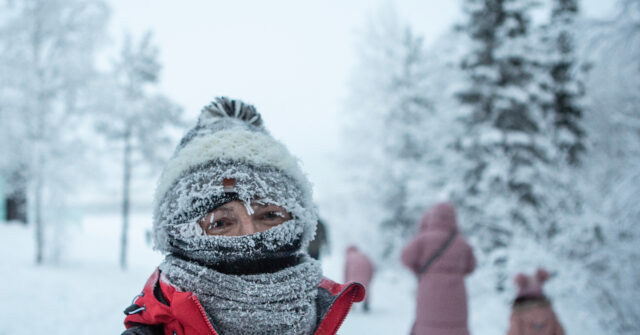
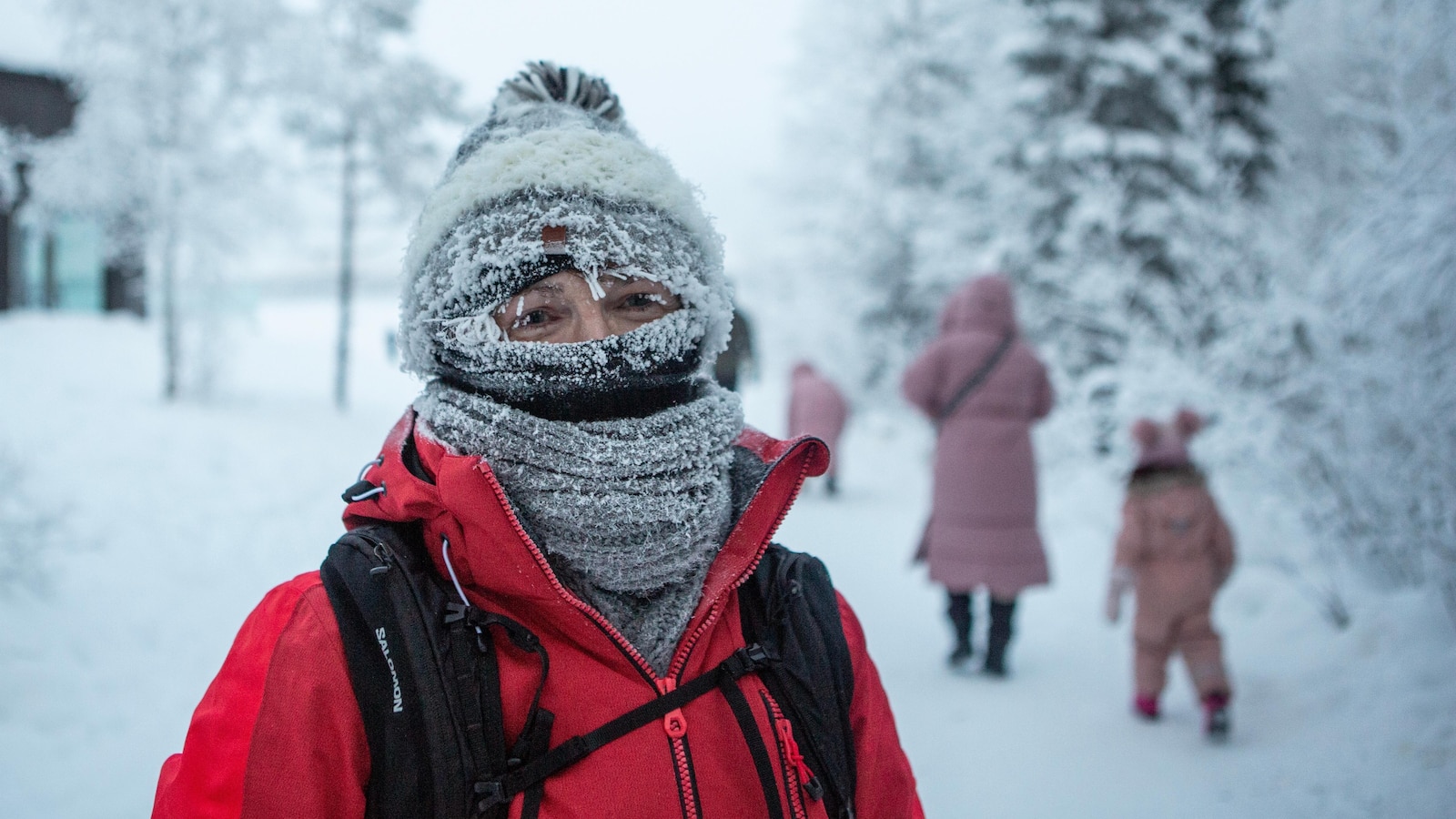
Thousands of tourists were stranded at Kittilä airport in Finnish Lapland on Sunday after extreme cold—temperatures around −37°C—forced airlines to cancel flights and ground operations.
Temperatures fell to about −37°C and are forecast to approach −40°C, making de-icing and routine aircraft operations difficult and unsafe for continued service.
The deep freeze affected wide regions of northern, central and eastern Europe, bringing heavy snowfall, high winds and icy roads that hampered travel and logistics.
In Germany, Deutsche Bahn shut down northern services and passengers faced delays; North Rhine-Westphalia closed schools and moved classes online, while Baltic states warned drivers to avoid nonessential travel.
The Finnish Meteorological Institute warned the cold will continue in Kittilä; officials cautioned residents and travelers about ongoing disruptions and safety risks amid the unusual severity of the freeze.
Analysis
Center-leaning sources report this event neutrally, focusing on objective facts and official data (temperatures, cancellations) and citing public agencies (Yle, Finnish Meteorological Institute, Deutsche Bahn). Coverage emphasizes operational impacts—stranded tourists, canceled flights, school closures—and avoids evaluative language, partisan framing, or omission of alternate viewpoints.
FAQ
At around −37°C to −40°C, it becomes extremely difficult to de‑ice aircraft, handle fuel and hydraulic fluids, and safely operate ground equipment, so airlines suspend operations to avoid serious safety risks such as failed de‑icing, brittle materials, and equipment malfunction in extreme cold.
Reports indicate that thousands of tourists were stranded at Kittilä airport when temperatures reached about −37°C, leading to the cancellation of multiple flights and disruption of normal ground operations.
The Finnish Meteorological Institute has forecast that the deep freeze will continue, with temperatures in Kittilä expected to approach −40°C on the following day, indicating at least several more days of unusually severe cold.
The same cold wave has brought heavy snowfall, high winds, and icy roads to parts of northern, central, and eastern Europe, causing long rail delays and cancellations in Germany, school closures and online classes in North Rhine‑Westphalia, and warnings in Baltic states for drivers to avoid nonessential travel.
Authorities and meteorological agencies are warning residents and travelers to expect ongoing disruptions, to avoid nonessential travel in blizzard and ice‑affected areas, and to follow official updates closely as the unusually severe freeze continues.