Exiled Crown Prince Urges Trump to Back Iranian Protesters as Nationwide Unrest Expands
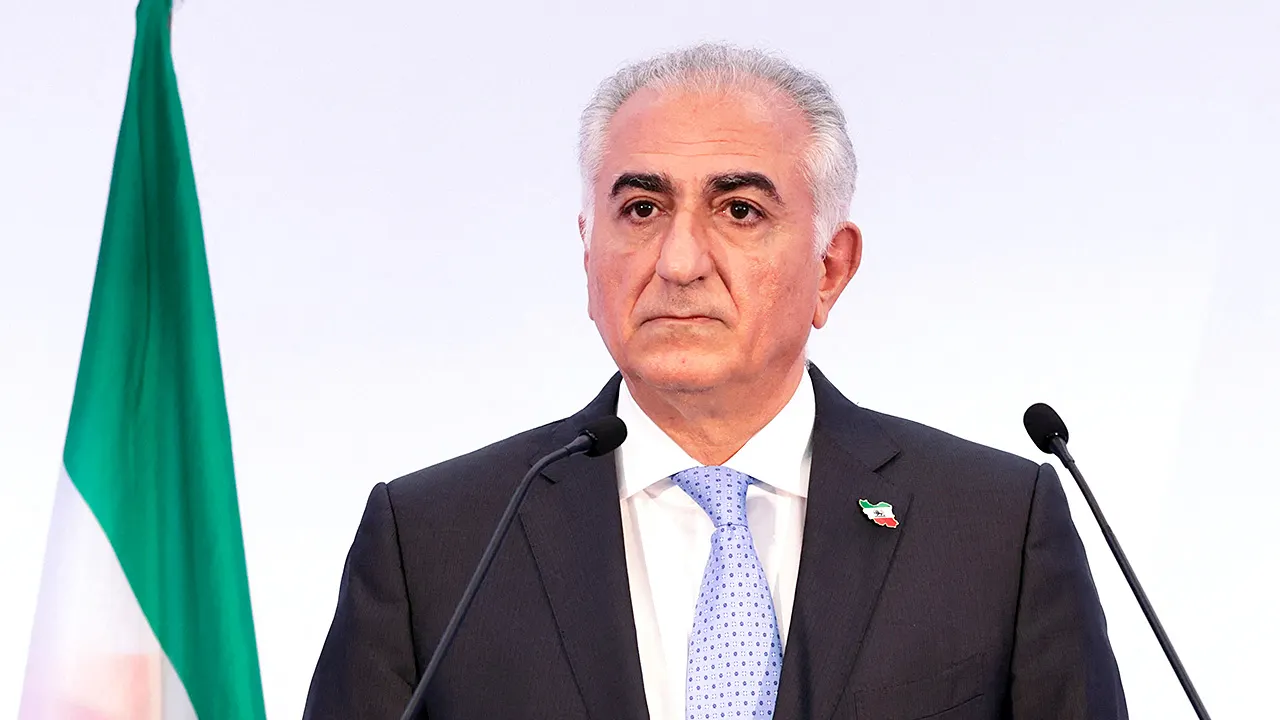
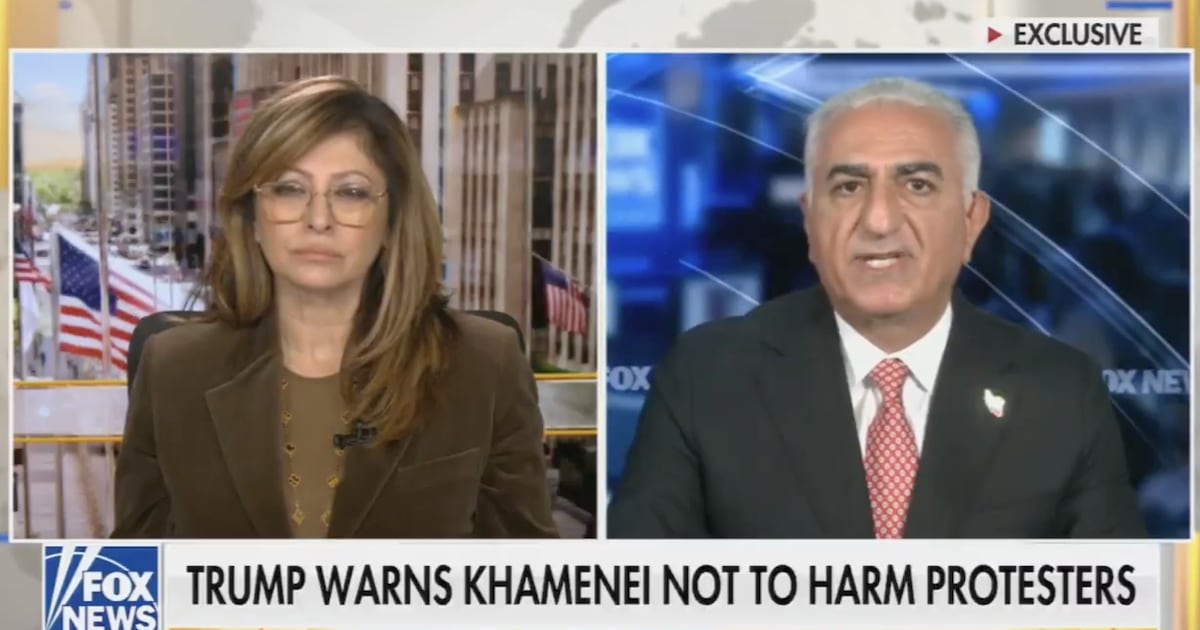
Exiled Crown Prince Reza Pahlavi urged President Trump to support protesters and consider intervention as nationwide Iranian demonstrations escalate amid internet blackouts, casualties, arrests reported.
 FOX News
Exiled Iranian crown prince appeals to Trump as Iran protests mark ‘defining' moment
 Daily Beast
Trump Courted by Exiled Prince Pushing Invasion
 Newsmax
Reza Pahlavi: 'We Need to Cut the Snake's Head Off' in Iran

 NPR
NPRWho is Reza Pahlavi, the exiled crown prince encouraging demonstrations across Iran?
Overview
Reza Pahlavi, the exiled Crown Prince, appealed Sunday to President Trump to help 'liberate' Iran, praising Trump's backing and urging decisive U.S. assistance or intervention.
President Trump voiced support on Truth Social and warned he would 'hit' Iran hard if mass violence occurs, saying forceful responses wouldn't include 'boots on the ground'.
Nationwide protests that began Dec. 28 over economic collapse and currency devaluation have spread to Tehran, Mashhad, Isfahan and other cities, despite nationwide internet blackouts and call cuts.
Rights groups report dozens killed, including children; Amnesty and Hengaw document lethal force, secret burials and pressured family interviews, while authorities claim protesters are 'rioters' or 'terrorists'.
Supreme Leader Khamenei blamed protesters for pleasing Trump and vowed tougher measures; analysts warn harsher crackdowns risk wider regional tensions and possible foreign involvement.
Analysis
Center-leaning sources editorially frame coverage around a narrative of popular uprising met by state repression, using charged terms like "crackdown" and citing Amnesty, HRANA and eyewitness videos. They prioritize human-rights voices and death counts while treating government claims and footage as source content, and remind readers of the shah’s abuses.
FAQ
Reza Pahlavi is the exiled crown prince and son of Iran’s last Shah, Mohammad Reza Pahlavi; while he holds no formal political office today, he is a prominent opposition figure who uses media and diaspora networks to mobilize support for protests and advocate for a secular, democratic system in Iran.
Trump has publicly warned that if Iran’s leaders begin killing protesters, the U.S. would “hit them very, very hard where it hurts,” stressing this would not involve sending American “boots on the ground” but would instead entail military strikes or other hard-hitting measures.
Iranian authorities have labeled protesters as “rioters” or “terrorists,” imposed nationwide internet and phone blackouts, deployed security forces widely, and threatened harsh punishments including the death penalty for those accused of arson, clashes with forces, or “sabotage.”
Groups such as Amnesty International and Hengaw report that dozens of protesters, including children, have been killed, and they document the use of live ammunition, secret or rushed burials, and pressure on victims’ families to give coerced interviews supporting the authorities’ narrative.
European officials, including the EU’s foreign policy chief, have condemned Iran’s internet shutdown and the violent repression of demonstrators, stating that cutting communications while using force against largely peaceful protests shows a regime afraid of its own people and that any violence against peaceful demonstrators is unacceptable.[1]

