Icebreaker call eases tensions between Trump and Colombia's Petro after Maduro raid
A last-minute diplomatic push arranged a 55-minute call between President Trump and Colombia's Gustavo Petro after Trump's aggressive remarks following the raid that captured Venezuela's Nicolás Maduro; the conversation led to softened rhetoric, a planned White House meeting, and reduced fears of U.S. military action in Colombia.



Overview
Colombian officials sought U.S. congressional help to arrange a phone call after Trump's comments about President Petro following the raid that captured Nicolás Maduro.
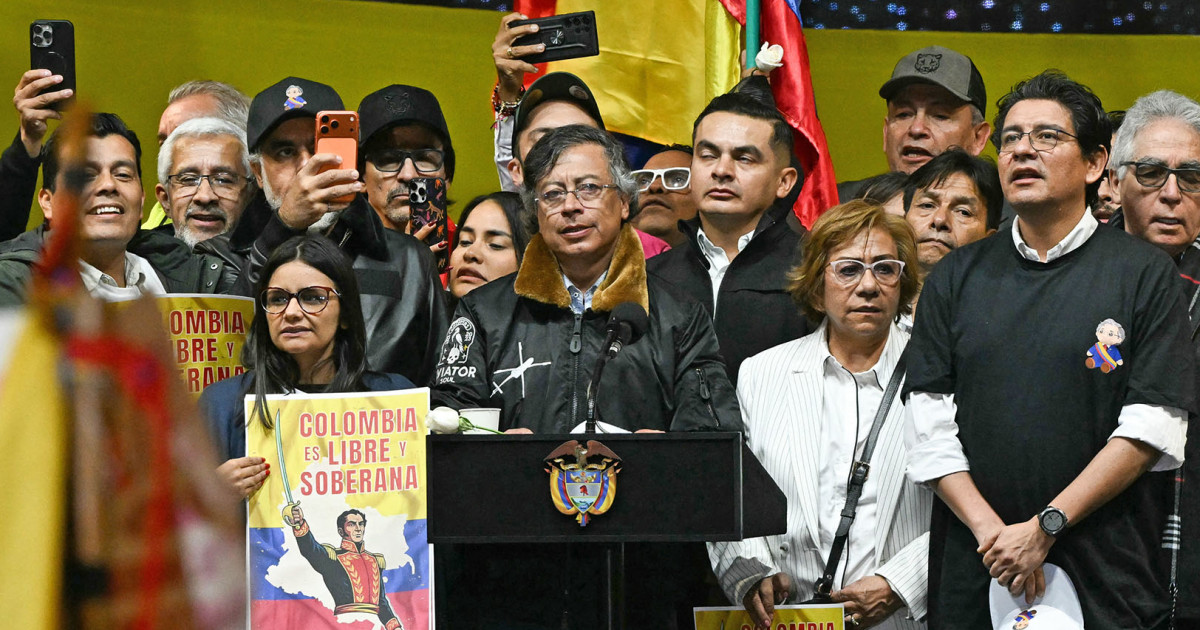
Aboard Air Force One, Trump had insulted Petro; Petro retaliated, prompting fears of U.S. military action and nationwide Colombian demonstrations.
A 55-minute phone call between Trump and Petro resulted in a dramatic de-escalation, mutual praise, and plans for a Washington meeting next month.
Colombian Defense Minister Pedro Sánchez plans to travel to Washington with Petro, and Colombian leaders said the call eased concerns about a U.S. attack.
Petro later told media that Trump admitted being surrounded by lies and said the conversation 'froze' the threat, though Petro still described the U.S. as risking 'isolation' if it continues aggressive policies.
Analysis
Center-leaning sources foreground Petro's warning and, while attributing charged terms to him, shape a narrative by juxtaposing his quotes with contextual details—US strikes, casualty figures, and ICE enforcement statistics. The lead placement, selective background on seizures and deportations, and emphasis on recent US actions collectively make the US appear plausibly aggressive.
FAQ
Tensions escalated after the U.S. military operation that captured Venezuela’s Nicolás Maduro, which Petro condemned as an act of aggression and a violation of Latin American sovereignty, and after Trump publicly called Colombia a “sick man,” accused Petro of being involved in cocaine trafficking, and suggested that U.S. military intervention in Colombia “sounds good to me.”
Colombian officials urgently sought the call because Trump’s comments about Colombia and Petro, including talk that military action “sounds good,” created real fears in Bogotá of a possible U.S. operation, prompting protests and a sense of diplomatic crisis that they hoped direct dialogue could defuse.
After roughly an hour-long call, both leaders dramatically softened their rhetoric, expressed mutual appreciation for the dialogue, agreed to restore direct communication channels, and arranged a future meeting at the White House, which Colombian officials said eased fears of a U.S. military strike.
Petro later said Trump acknowledged he had been receiving misleading information from Petro’s domestic opponents, particularly from political figures in Florida, and that the U.S. president had been “surrounded by lies” about Colombia’s record on fighting drug trafficking and about Petro himself.
Following the call, Trump invited Petro to the White House for a meeting, and Colombian officials, including Defense Minister Pedro Sánchez, plan to travel with Petro to Washington as both governments explore more structured dialogue on drug policy, Venezuela, and broader regional relations.

