Israel Monitors Iranian Protests Amid U.S. Threats of Force
Israeli leaders, including Prime Minister Netanyahu, are closely monitoring nationwide protests in Iran as President Trump’s threats of military action raise fears of escalation and regional conflict.



Overview
Israeli Prime Minister Benjamin Netanyahu said Israel is closely monitoring widespread protests in Iran and praised protesters’ courage while condemning civilian deaths.
Israel’s military labeled the unrest an internal Iranian matter but said it would be ready to respond with force if necessary, without issuing new civilian shelter guidelines.
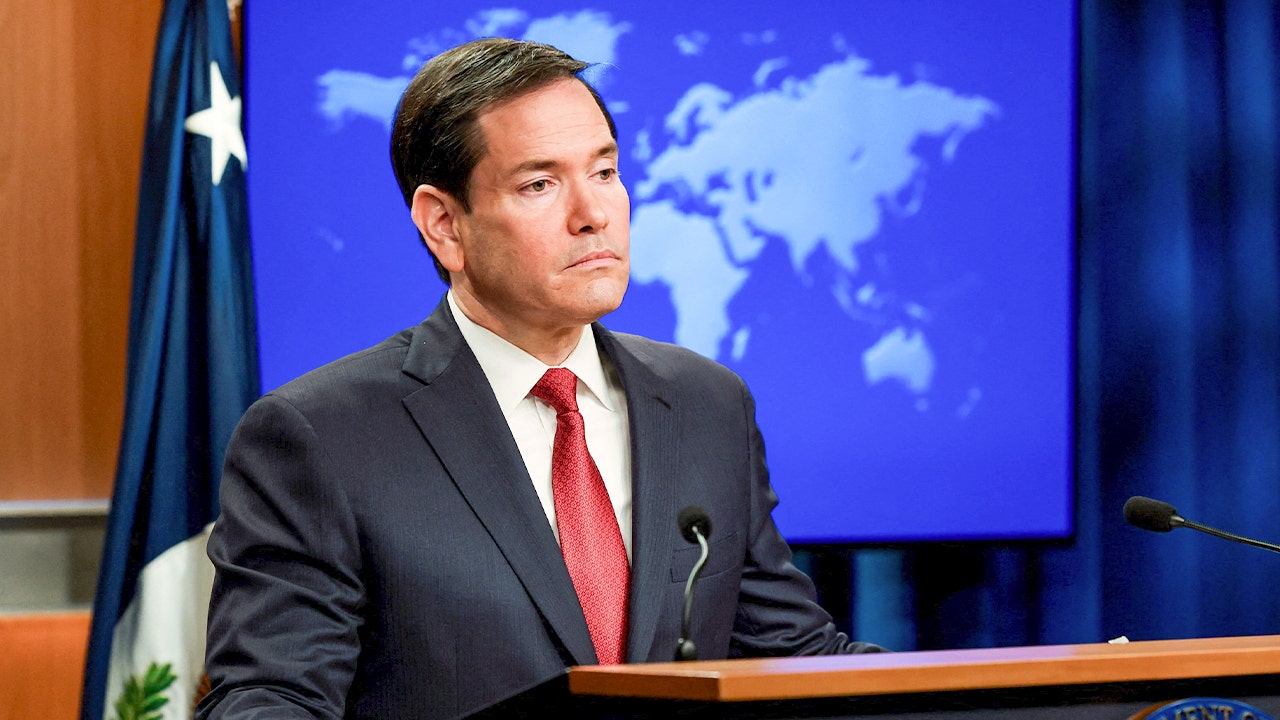
Netanyahu and U.S. Secretary of State Marco Rubio discussed Iran amid concerns the U.S. might intervene; Israel is on high alert for possible U.S. strikes.
U.S. President Donald Trump pledged support for protesters and warned of forceful retaliation if Iran uses mass violence; Iran’s parliament speaker retaliated by calling the U.S. and Israel "legitimate targets."
Experts say Israel is unlikely to initiate attacks and prefers to avoid meddling in internal Iranian affairs, fearing that external strikes could unite Iranians against the regime and weaken protests.
Analysis
Center-leaning sources frame the story as a security-focused, cautious narrative by foregrounding Israeli leadership and military statements and expert reassurances while treating Iranian protests as a backdrop. The coverage emphasizes restraint (military ‘no new guidelines’, experts saying 'neither side has appetite for war'), privileging security perspectives and marginalizing Iranian civilian voices.
FAQ
Protesters in Iran are demonstrating against the clerical regime over economic hardship, corruption, and political repression, with many now openly calling for an end to clerical rule and the overthrow of Supreme Leader Ali Khamenei; the unrest has spread to well over 180–190 cities across all 31 provinces and has continued for more than two weeks despite internet shutdowns and lethal crackdowns.
Iranian authorities have responded with a harsh security crackdown involving live ammunition, mass arrests, and threats of death sentences for protesters, with activists estimating that at least hundreds of people have been killed and thousands detained while officials label demonstrators as “vandals,” “mercenaries,” and even “enemies of God.”
The United States, under President Donald Trump, has publicly expressed support for the protesters and warned Tehran against using mass violence, threatening forceful retaliation if Iran carries out a large-scale massacre, while U.S. forces in the region are on alert but Washington has not announced a decision to intervene militarily.
In a speech to parliament, Iranian Speaker Mohammad Baagher Qalibaf warned that if Iran is attacked, Israel—referred to as “the occupied territory”—and all American military bases, centers, and ships in the region would be considered “legitimate targets,” and he vowed that Iran would not wait to respond only after an attack but might act on any perceived signs of a threat.
Israel has raised its alert level and is closely monitoring events because Iranian officials have explicitly threatened to target Israel if the U.S. attacks, but regional experts assess that Israel is unlikely to initiate strikes and prefers to avoid interfering directly in Iran’s internal unrest, fearing that overt external attacks could rally Iranians around the regime and weaken the protests.


