First responders enter devastated Aleppo neighborhood after intense clashes between Syrian forces and Kurdish-led SDF
First responders entered Aleppo’s Sheikh Maqsoud after days of clashes between Syrian forces and the SDF; evacuations, mine clearance, hospital damage and mass displacement followed.
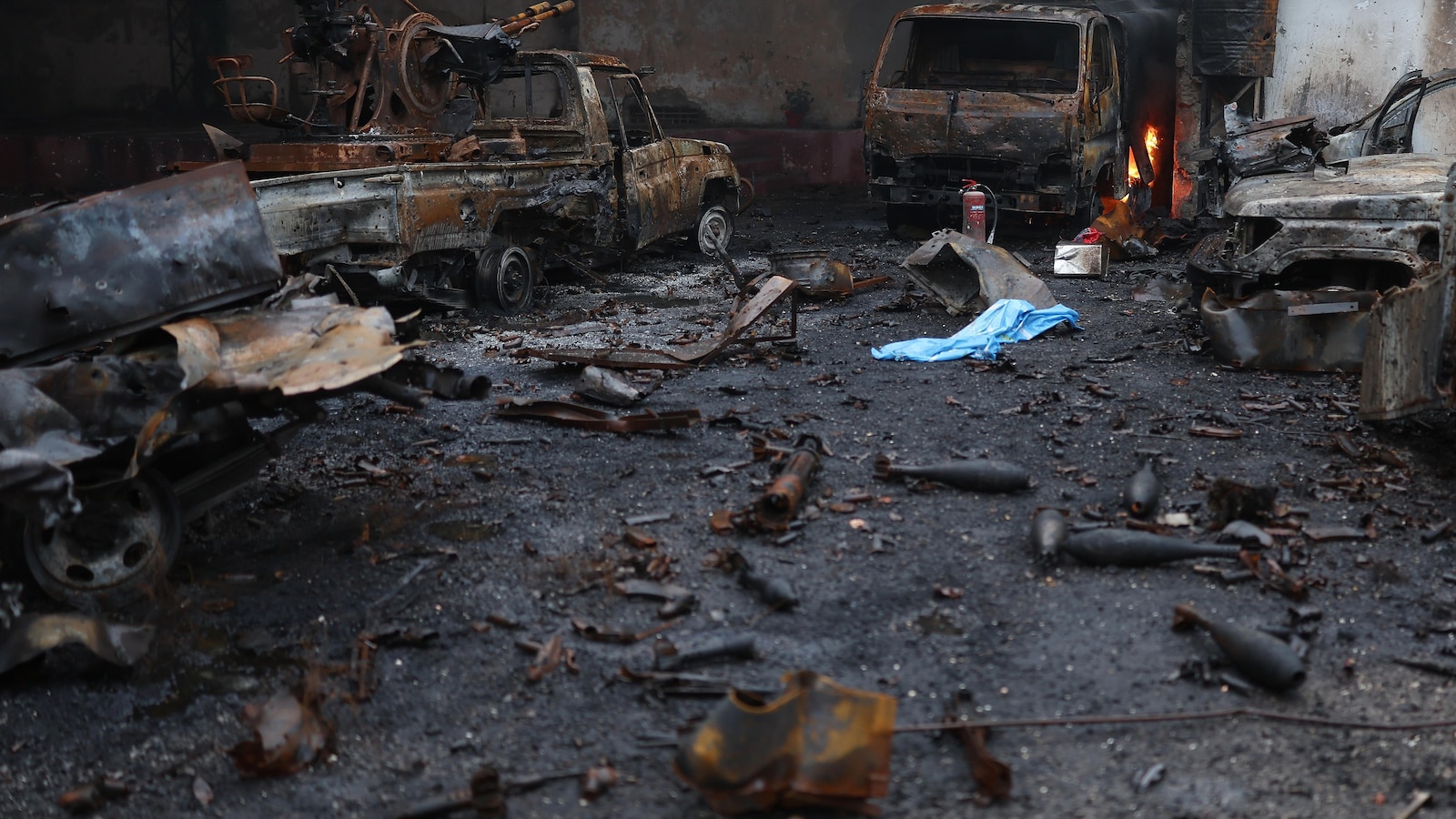
 ABC News
First responders enter devastated Aleppo neighborhood after days of deadly fighting
 Associated Press
First responders enter devastated Aleppo neighborhood after days of deadly fighting
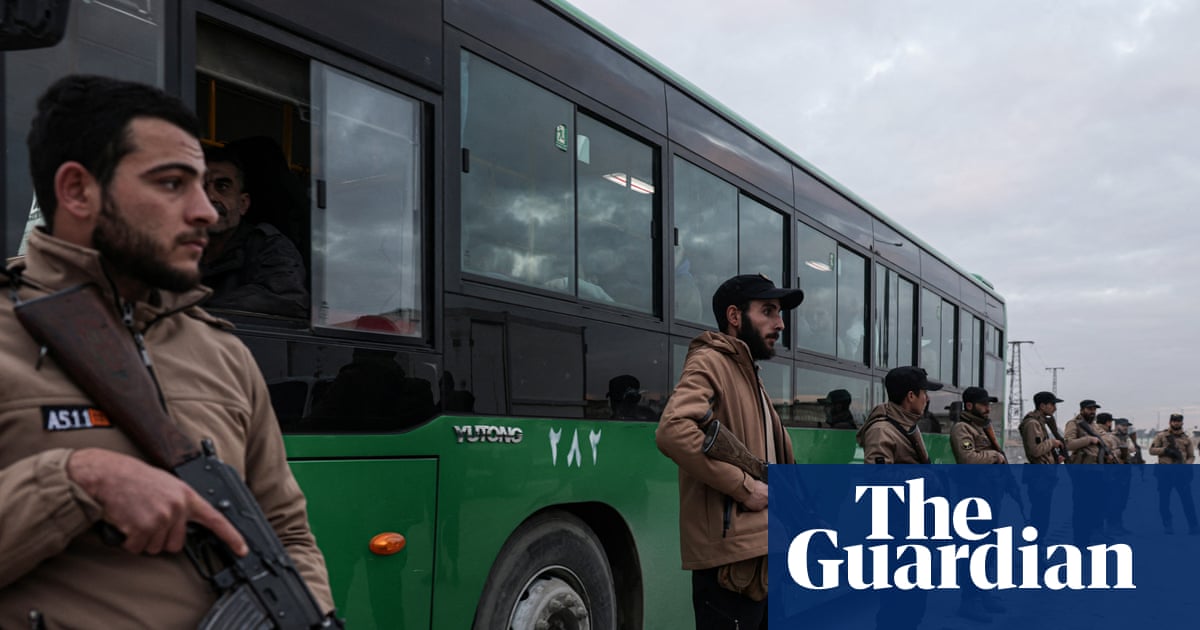
 The Guardian
Syrian forces expel Kurdish fighters as US strikes Islamic State targets
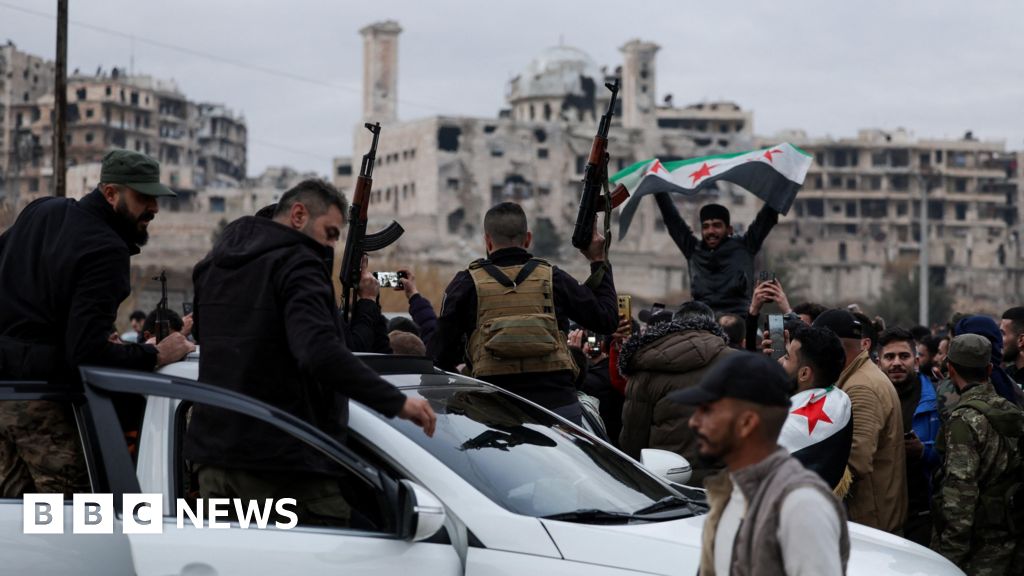
 BBC News
Last Kurdish forces leave Aleppo after ceasefire deal reached
Overview
First responders entered contested Sheikh Maqsoud on Sunday to tend to residents, clear rubble and disarm mines after five days of intense clashes between Syrian forces and the SDF.
At least 23 people were killed during five days of fighting; estimates of displaced range from 140,000 to 155,000 as neighbourhoods were shelled and hit by drone strikes.
The SDF evacuated fighters, wounded and civilians to northeastern SDF-held areas; Syrian interior ministry reported roughly 360 fighters bused north and about 300 Kurds detained.
Both sides accused one another of targeting civilian infrastructure: government showed damaged Khalid al-Fajer Hospital while the SDF said the facility was repeatedly struck during operations.
An internationally mediated ceasefire allowed evacuations; the clashes exposed integration tensions over SDF absorption, occurring alongside US-led strikes on Islamic State and regional concern.
Analysis
Center-leaning sources present this coverage as broadly neutral: they balance competing claims from government and the SDF, include on-the-ground details (damaged hospital, displaced residents, booby-trap reports) and quote officials and civilians from both sides. The reporting emphasizes humanitarian impact and factual chronology rather than editorial judgments.
FAQ
The clashes were triggered by a breakdown in talks over integrating SDF forces into the Syrian national army, with disputes over the terms of absorption and broader Kurdish demands for decentralized governance, leading to fighting in Sheikh Maqsoud, Ashrafieh, and Bani Zaid in early January 2026.
Local authorities estimate that around 140,000 to 155,000 people were displaced from Sheikh Maqsoud and Ashrafieh, with many Kurds bused from Aleppo to SDF-held areas in northeastern Syria, including toward Hasakeh and al-Tabqa.
The ceasefire, reached through international mediation, included a halt to attacks, the evacuation of dead and wounded, and the transfer of trapped civilians and SDF fighters from Sheikh Maqsoud and Ashrafieh to northeastern Syria, alongside a declared end to military operations by the Syrian army in those neighborhoods.
After the ceasefire, buses transported the last groups of SDF fighters from Sheikh Maqsoud to northeastern Syria, and Syrian officials declared Aleppo “free of SDF fighters,” saying security forces would stabilize the area and gradually hand health and government facilities back to state institutions.
The end of Kurdish self-rule in Aleppo’s Sheikh Maqsoud and Ashrafieh is seen as a test of the post-Assad order, raising concerns about Kurdish displacement, minority protections, and whether Damascus can reintegrate these areas without permanently marginalizing Kurdish communities.[2]

