Myanmar holds contested second phase of elections amid civil war
Military-run elections resumed in 100 townships amid civil war; critics call the polls a sham after opposition parties dissolved and thousands detained already nationwide.

 Al Jazeera
Myanmar’s military holds second phase of elections amid civil war
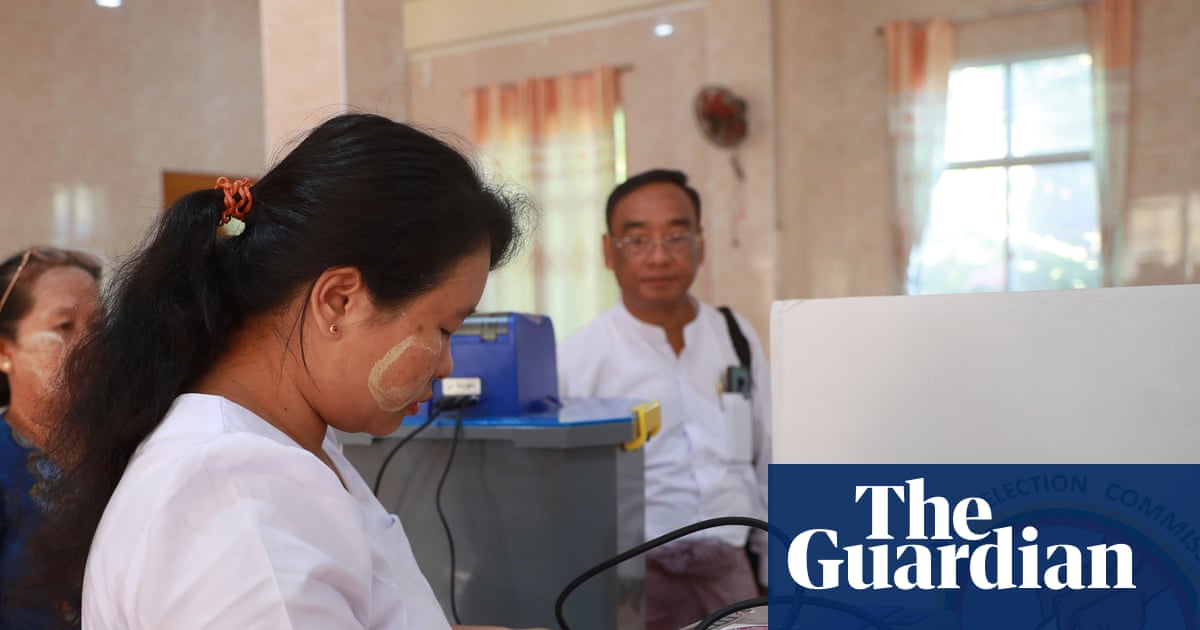
 The Guardian
Myanmar junta holds second phase of election widely decried as a ‘sham exercise’
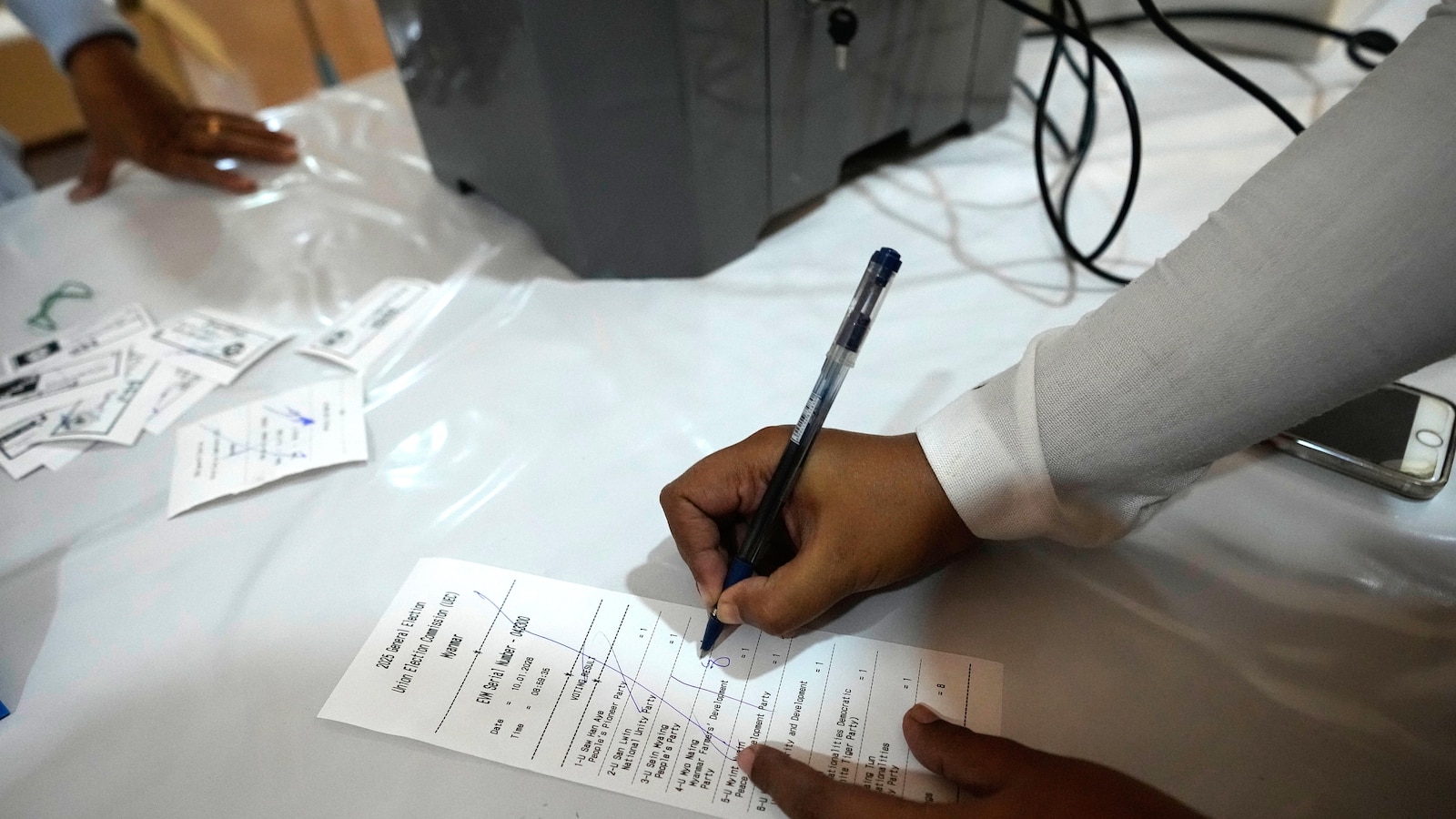
 ABC News
Myanmar holds 2nd round of elections amid armed conflict
 Associated Press
Myanmar holds second round of voting in first general election since military takeover
Overview
Voting opened Jan 11 in 100 townships across several regions and states, after a Dec 28 first phase; a third phase is scheduled for Jan 25.
The junta reported about 52% turnout in the first phase; the USDP, backed by the military, won the majority of contested seats and is poised for substantial parliamentary gains.
UN officials, rights groups and analysts denounced the polls as neither free nor fair, citing dissolved opposition parties, muzzled media, restrictive laws and arrests to suppress dissent.
Fighting, heightened security and targeted attacks affected many voting areas; 65 townships will not participate because of clashes, and armed groups had vowed disruptions.
The outcome will shape Myanmar's next government but faces questions over legitimacy, likely limiting international recognition and complicating prospects for national reconciliation.
Analysis
Center-leaning sources portray the election as deeply compromised by highlighting repression and skepticism: they foreground criticisms (UN rapporteur calling it a 'sham election', tallies of political prisoners), emphasize casualties and dissolved opposition, while presenting government turnout claims as quoted counterpoints. Editorial choices—ordering, selected statistics, and emphatic context—frame legitimacy as doubtful.
FAQ
Observers describe the elections as illegitimate because key opposition parties were dissolved, thousands of politicians and activists were detained, independent media and civil society were repressed, and voting is excluded from many conflict areas, preventing free competition and genuine voter choice.
The Union Solidarity and Development Party (USDP) is expected to benefit most, having already won nearly 90% of seats in the first phase; it is widely viewed as the main political proxy of the military and is aligned with the junta’s interests.
The civil war has led to fighting, heightened security, and targeted attacks in many areas, causing voting to be cancelled in numerous constituencies and excluding at least dozens of townships from the process because of active clashes and rebel control.
The junta reported turnout of roughly half of eligible voters in the first phase, significantly lower than the about 70% turnout recorded in the 2020 election that was won overwhelmingly by Aung San Suu Kyi’s party before the coup.
Because many governments, UN officials and rights groups do not see the polls as free or fair, the resulting government is unlikely to gain broad international recognition, which could deepen Myanmar’s isolation and complicate efforts at national dialogue or reconciliation with opposition and ethnic armed groups.