U.S.-U.K. Seizure of Russian-Flagged Tanker Targets Shadow Fleet
U.S. forces, aided by the U.K., seized a Russian-flagged tanker after a transatlantic chase, targeting the shadow fleet that aids sanctioned oil exports and Ukraine.


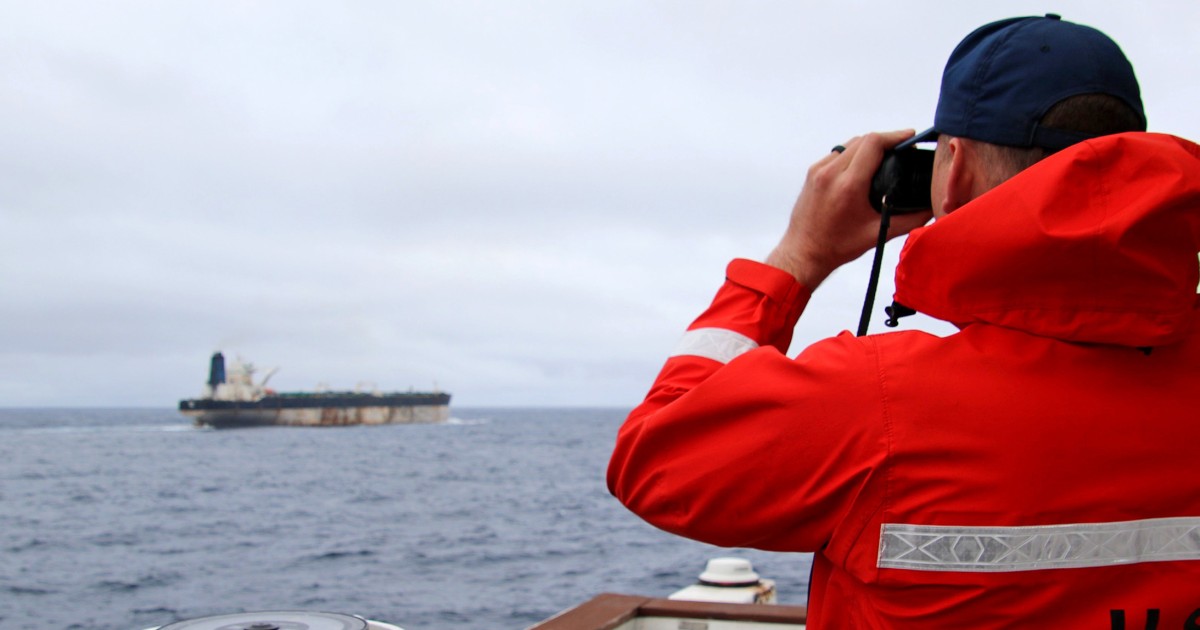


Overview
U.S. special operations forces boarded the Marinera (formerly Bella 1) roughly 190 miles south of Iceland after a weekslong Atlantic pursuit, also seizing the M/T Sophia in the Caribbean.
The U.K. provided basing, aerial surveillance and logistical support—RFA Tideforce and RAF assets—while British personnel did not board, officials say, framing the action as legal sanctions enforcement.
Analysts call the Marinera a 'poster child' of the shadow fleet, which conceals origins, conducts ship-to-ship transfers, and reportedly moved 173 sanctioned Russian tankers in November.
Russia's foreign ministry called the seizure a gross maritime-law violation and demanded crew returns, while the Kremlin remained muted; Ukraine welcomed the action and some Russian bloggers praised U.S. tactics.
The seizures increase pressure on Putin's economy and shadow-fleet operations, raise questions about future U.S.-EU enforcement patterns, and could complicate Russia-West diplomacy and Ukraine negotiations.
Analysis
Center-leaning sources frame the seizure as a strategic blow to Russia’s "shadow fleet" and Putin’s economy by foregrounding expert data, Ukrainian praise, and maritime registry links. Editorial choices - loaded labels ("poster child," "shadow fleet"), selection of U.S./Ukrainian voices, and structuring the story around the chase - emphasize U.S. effectiveness while minimizing legal or Venezuelan perspectives.
FAQ
Russia’s shadow fleet is a large network of tankers—many old, poorly insured, and often reflagged or falsely flagged—used to secretly transport sanctioned Russian oil and other goods, allowing Moscow to keep exporting energy and earning billions in revenue despite Western sanctions imposed after its invasion of Ukraine.
The Marinera, formerly Bella 1, has been described by analysts as a prime example of a shadow-fleet vessel engaged in sanctions evasion, including concealing the origin of oil and conducting ship‑to‑ship transfers, making it a high‑profile target for demonstrating stricter enforcement of sanctions on Russian oil exports.
Boarding and seizure are typically justified when a vessel is considered stateless or fraudulently flagged, or when there is a judicial order tied to sanctions enforcement; in the Marinera case, U.S. officials argued it was part of a sanctioned shadow fleet and had been deemed effectively stateless after flying a false flag, allowing action under U.S. sanctions and maritime law.
Estimates suggest Russia’s ghost or shadow fleet numbers several hundred tankers and associated vessels, transporting roughly two‑thirds of Russia’s seaborne oil exports and generating tens of billions of dollars in annual revenue that help fund the Russian state and its war effort.
Seizing prominent shadow‑fleet tankers signals a tougher enforcement posture that could encourage closer U.S.-EU coordination on tracking and interdicting such ships, but it also risks diplomatic backlash from Moscow and may complicate broader negotiations over Ukraine and European security as Russia portrays the actions as unlawful interference with its maritime trade.