Slow-moving prisoner releases in Venezuela enter third day after government announces goodwill effort
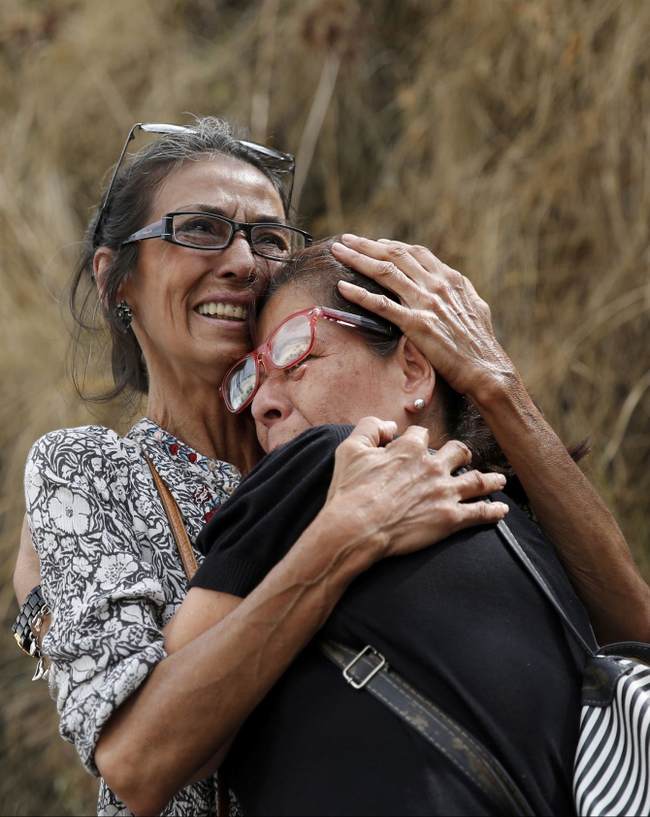
Families wait outside Venezuelan prisons as slow, limited releases continue; rights groups report roughly 800 detainees, and U.S. capture of Maduro influences the political context.
 PJ Media
Arrests, Prisoners, U.S. Warnings — What's Really Happening on the Ground In Venezuela
 FOX News
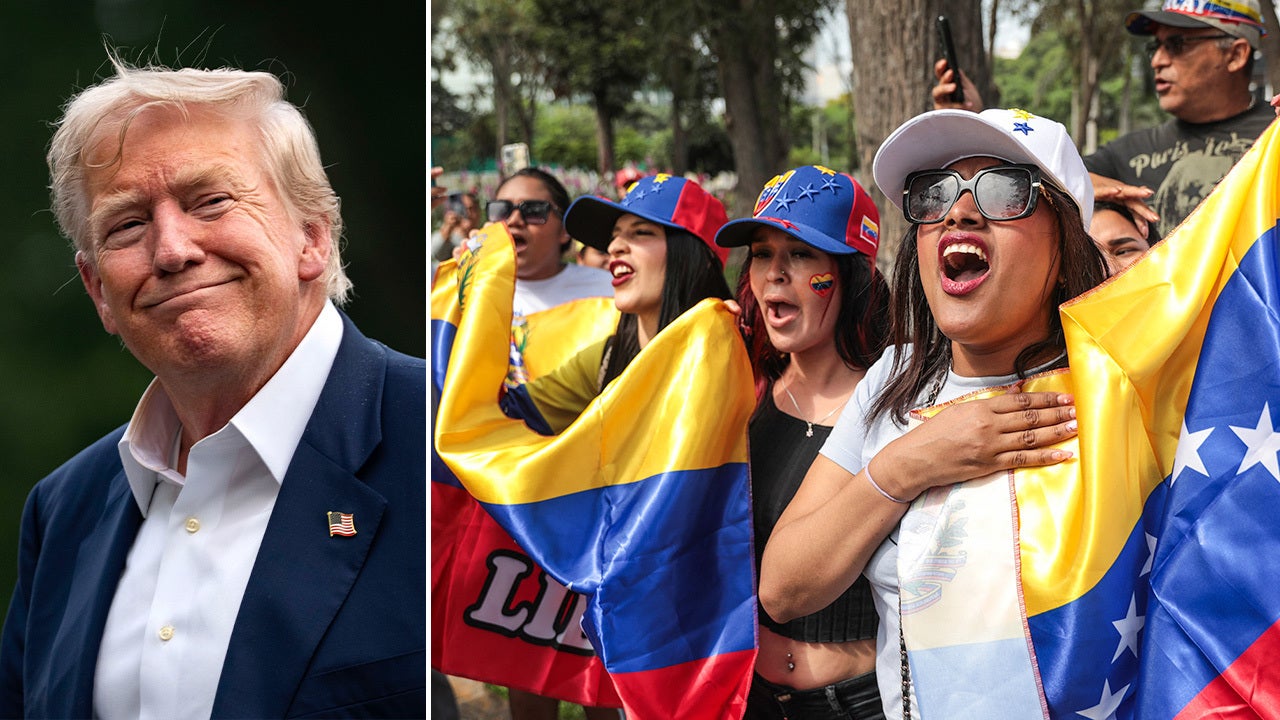
Trump says Venezuela has begun releasing political prisoners ‘in a BIG WAY’
 ABC News
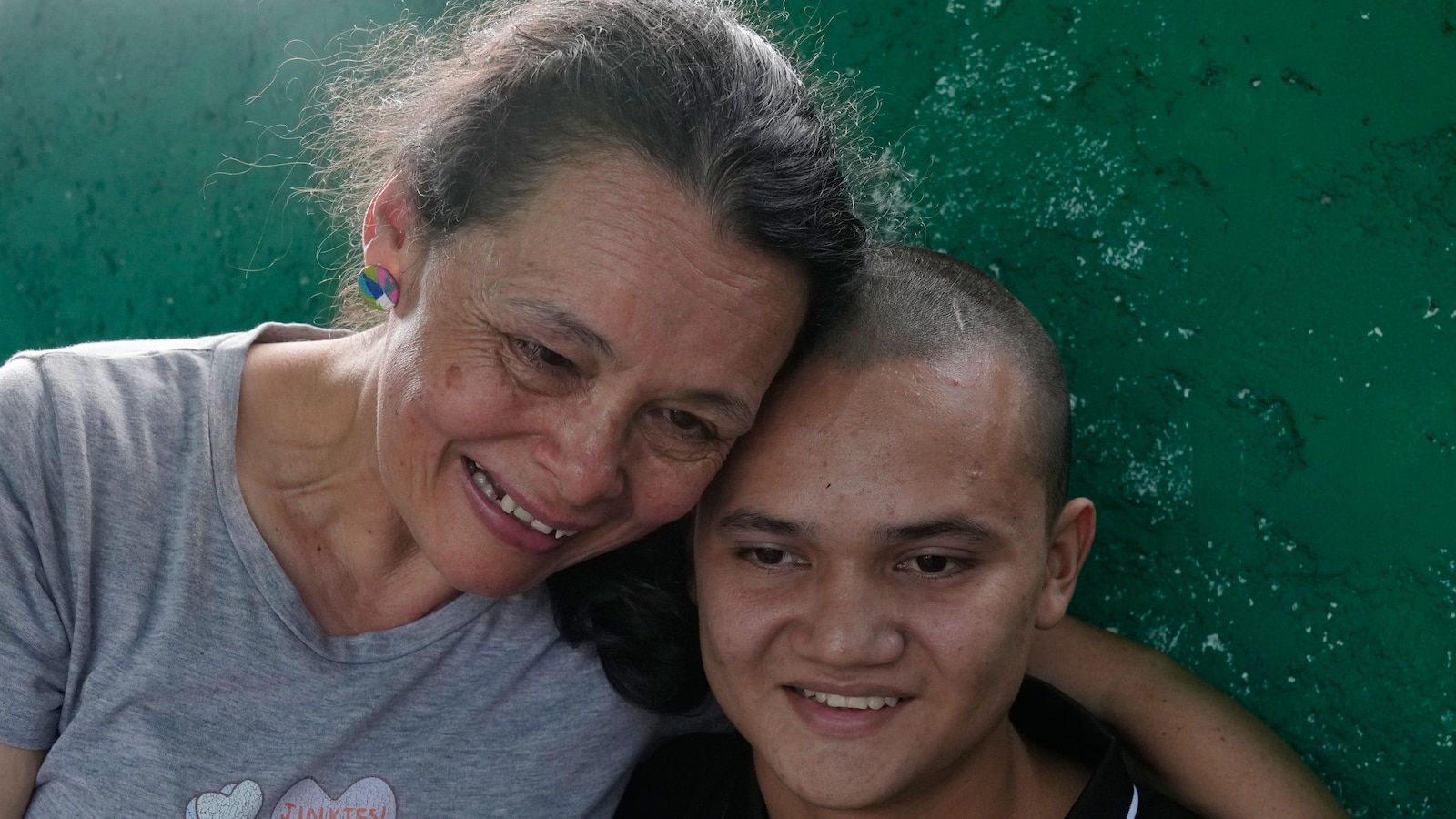
Slow-moving prisoner releases in Venezuela enter 3rd day after government announces goodwill effort

 Fortune
Venezuela slow-walks prisoner releases with 11 freed while over 800 remain locked up
Overview
Diógenes Angulo, detained as a teenager after pre-election protests, was freed in San Francisco de Yare; families camped outside Caracas-area prisons for a third straight day hoping for releases.
Foro Penal reported 16 releases by Saturday night while estimating roughly 800 political detainees still held; rights groups criticized lack of an official release list and transparency.
Human rights lawyer Rocío San Miguel and several Spanish citizens were released and relocated to Spain under precautionary measures that restrict media contact, according to family statements.
President Trump credited U.S. intervention for the releases, praising the move on social media after U.S. forces captured Nicolás Maduro and transported him to face U.S. charges.
Acting government supporters marched demanding Maduro's return while Acting President Delcy Rodríguez condemned U.S. actions; U.S. and Venezuelan officials are evaluating restoring diplomatic relations.
Analysis
Center-leaning sources frame the coverage skeptically by using evaluative language and placement that highlight delays and limited releases. Editorial choices—headlines like 'slow‑walks,' phrasing such as 'shocking military action,' and juxtaposition with U.S. raid details—create doubt, while direct quotes (e.g., officials calling it a 'kidnapping') remain presented as source content.
FAQ
The Venezuelan government says it is releasing a significant number of prisoners as a goodwill gesture to seek peace after a period of political turmoil and mass detentions following the disputed 2024 elections, and it is also responding to longstanding pressure and specific requests from the United States for the release of opposition figures and other detainees.
Foro Penal, a Venezuelan human rights organization, reports that roughly 800 people remain imprisoned for political reasons, estimating 809 detainees still held as of the latest count during the current release process.
U.S. authorities captured Nicolás Maduro in a nighttime raid in Caracas and brought him to face U.S. charges, and President Donald Trump has publicly credited U.S. intervention and Washington’s request for prompting Venezuela’s pledge to release a significant number of prisoners.
Rights groups such as Foro Penal criticize the process because the government has not published an official list or total number of prisoners to be released, leaving families and advocates without transparency and forcing them to rely on scattered reports and direct monitoring to verify each individual release.
No; relatives of human rights lawyer Rocío San Miguel say her release is a precautionary measure that substitutes imprisonment, meaning she was relocated to Spain under conditions that include restrictions such as limits on speaking to the media, so it is not considered full freedom.[2]