Argentina Repays U.S. Swap Line; Treasury Hails 'America First' Win
U.S. Treasury Secretary Scott Bessent says Argentina repaid its draw from a $20 billion swap line, prompting praise and investor confidence amid lingering economic risks.




Overview
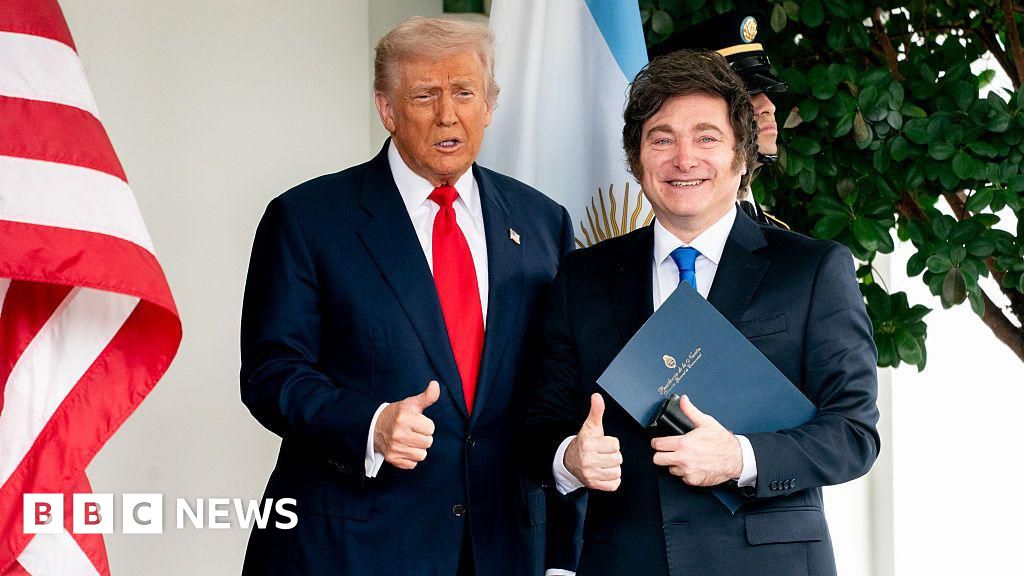
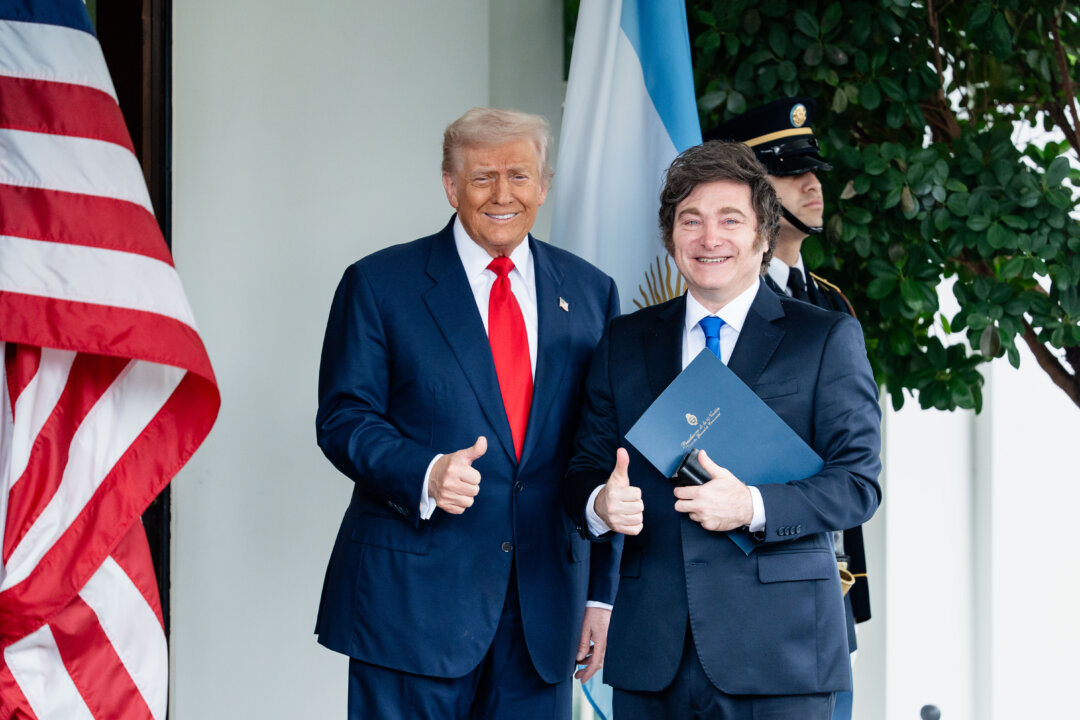
U.S. Treasury Secretary Scott Bessent announced Argentina repaid funds it drew from a $20 billion exchange swap line, ending U.S. holdings of Argentine pesos in the ESF.
Argentina's central bank traded about $2.5 billion through the swap by the end of October; reports say a limited draw was quickly and fully repaid, though the exact amount wasn't specified.
Bessent called the operation an "America First homerun deal," saying it stabilized an ally and produced tens of millions in profit for U.S. taxpayers.
Democrats and some experts criticized the move as risky, questioning transparency and warning Argentina still faces deep fiscal challenges despite short-term stabilization.
The intervention preceded Argentina's October midterms, helped President Javier Milei's libertarian party win, and facilitated the government's recent return to dollar bond markets after eight years.
Analysis
Center-leaning sources frame the story as a cautious, accountability-focused win: editorial language (calling it a "risky US gamble") and early placement of Democratic criticism stress taxpayer risk, while quoting Bessent's celebratory "America First homerun deal" is balanced by an expert's "small change" and warnings about Argentina's deeper vulnerabilities.
FAQ
A currency swap line is an agreement that allows a central bank to exchange its own currency for another country’s currency, usually dollars, with a commitment to reverse the transaction later with interest. In this case, Argentina’s central bank could temporarily exchange pesos for up to $20 billion in U.S. dollars from the U.S. Treasury’s Exchange Stabilization Fund, use those dollars to stabilize its financial system, and then repay the dollars plus interest, returning the swap to zero balance once repaid.
The U.S. Treasury framed the swap as an “America First” win because it said the operation both stabilized a key regional ally and generated tens of millions of dollars in profit for U.S. taxpayers, as the dollars lent were repaid with interest and the U.S. no longer holds exposure to Argentine pesos in the Exchange Stabilization Fund.
Experts remain concerned because, despite the short‑term stabilization from the swap and recent bond issuance, Argentina still faces deep structural problems, including chronic fiscal deficits, high inflation history, and heavy debt burdens, which make its long‑term ability to sustain growth and service debt uncertain even after repaying this specific credit line.
The swap line helped provide dollar liquidity and halt a market rout ahead of Argentina’s October midterm elections, which eased investor panic and contributed to a more stable backdrop that aided President Javier Milei’s libertarian party in securing a major electoral victory that strengthened support for his austerity and reform agenda.
Critics argued the arrangement was risky for U.S. taxpayers, questioned its transparency and largely unprecedented, seemingly unconditional design, and said it was politically driven—supporting an ideological ally abroad while potentially conflicting with the stated principles of an “America First” foreign and economic policy.
