Britain Consults NATO to Strengthen Arctic Security Amid Concerns Over Russia and China
Britain is discussing with NATO allies how to bolster Arctic security to deter Russia and China after President Trump's comments about acquiring Greenland and deployments.



Overview
Britain, led by Transport Secretary Heidi Alexander, is holding discussions with NATO allies about strengthening security in the Arctic region to counter Russian and Chinese activity.
Officials describe talks as "business as usual" and emphasize the need for an effective deterrent against Russia's Arctic ambitions and growing Chinese interest.
President Trump said he wanted to acquire Greenland to prevent Russian or Chinese control, prompting NATO responses and concerns from Denmark and other allies.
Britain's former ambassador Peter Mandelson and Liberal Democrat leader Ed Davey suggested U.S. leadership and possible joint deployments, including offering UK troops in coordination with Denmark.
It remains unclear how NATO members would react to a U.S. attempt to seize Greenland or whether the alliance would collectively defend Denmark's territory.
Analysis
Center-leaning sources frame the story as a NATO security concern, emphasizing Russia/China threats and Anglo‑US alignment via political quotes and selective sourcing. Editorial choices— inserting “disgraced financier” about Mandelson, highlighting Trump’s takeover line, prioritizing UK elites and omitting Danish/Greenlandic voices—push a security-first narrative.
FAQ
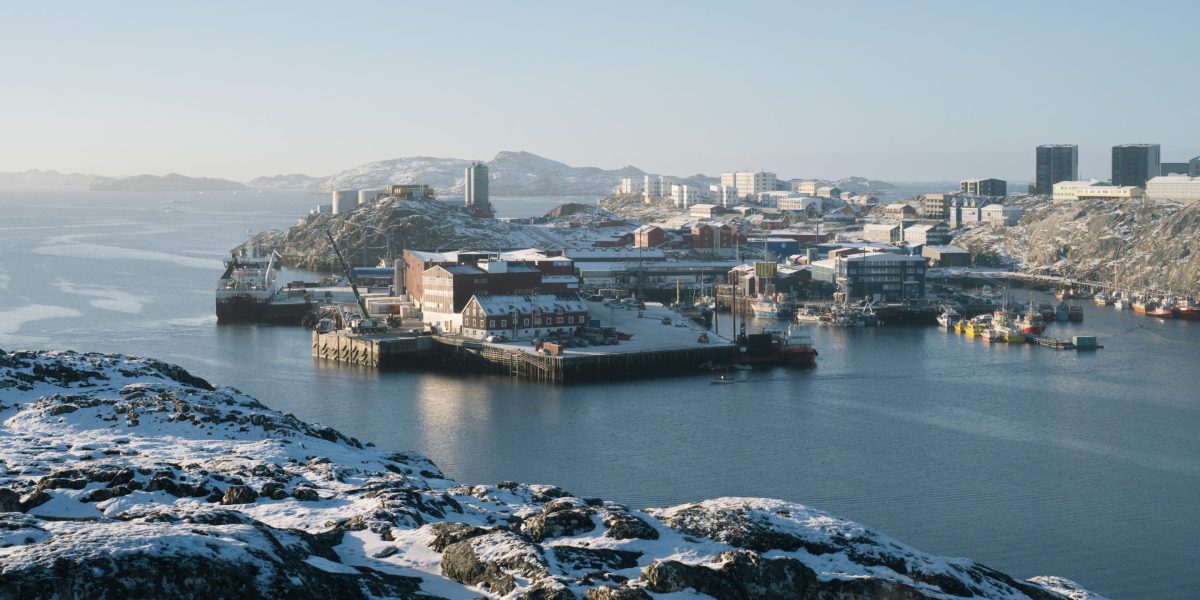
The Arctic and Greenland are strategically important because they sit on key sea and air routes between North America and Europe, host critical military infrastructure like the US base at Thule in Greenland, and are increasingly central to great-power competition as melting ice opens new shipping lanes and access to natural resources, drawing growing Russian and Chinese military and economic activity to the region.[1]
NATO is concerned that Russia is expanding its military presence and capabilities in the Arctic, while China is increasing its economic and scientific footprint, which together could challenge allied control of key sea lanes, undermine deterrence, and threaten the security of NATO territory and infrastructure in the High North.[1]
Trump’s comments about acquiring Greenland alarmed Denmark, which defends the island, and raised fears among NATO allies that a forced takeover would threaten alliance unity, with Danish leaders rejecting annexation and UK officials stressing the need to bolster deterrence in the Arctic without undermining NATO cohesion.[1]
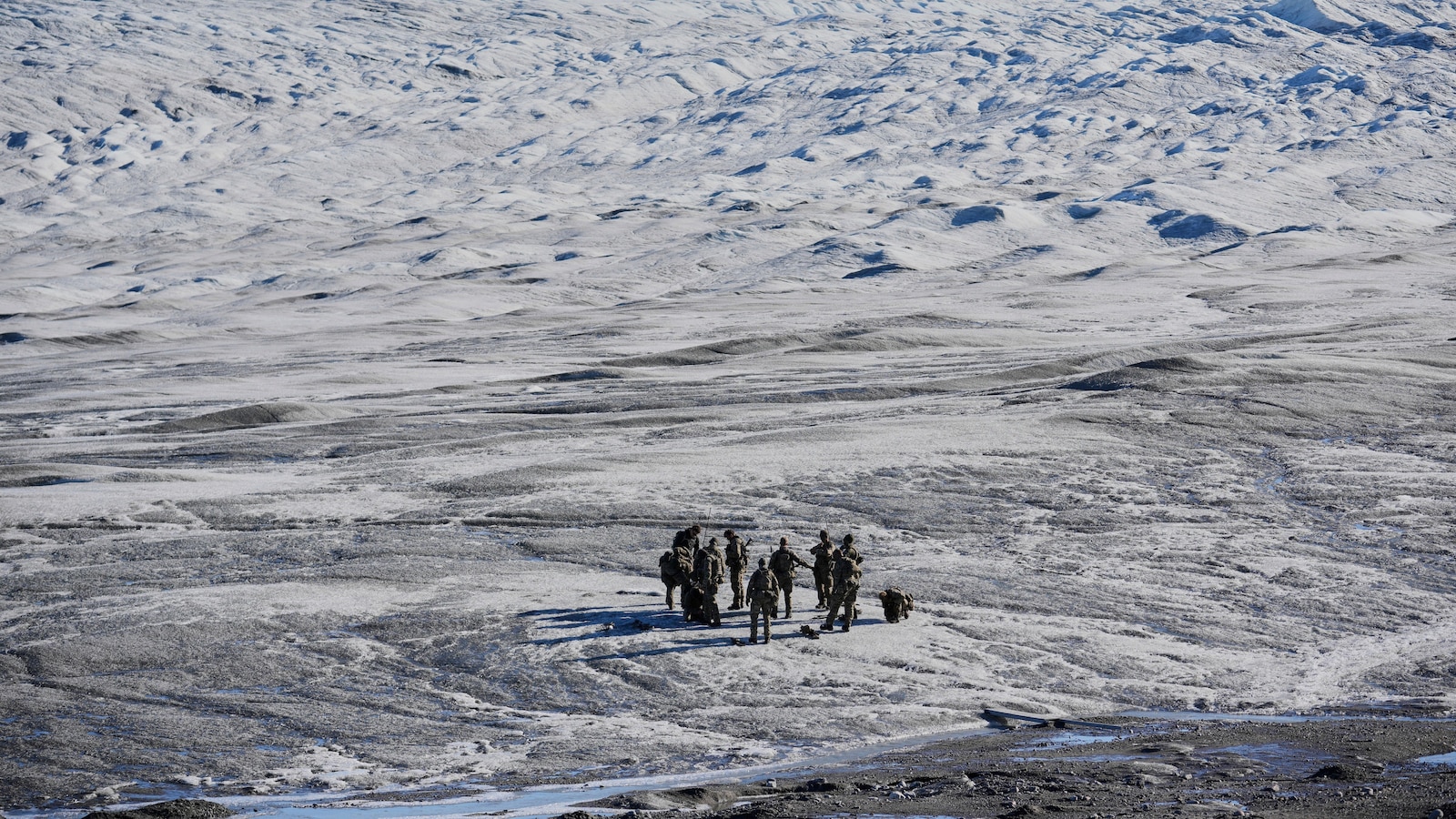
Britain, through officials such as Transport Secretary Heidi Alexander, is consulting NATO allies on ways to increase Arctic security, aligning with US concerns about Russian and Chinese activity and considering options such as deployments and closer coordination with Denmark, including suggestions from political leaders that UK troops could participate in joint operations related to Greenland.
Analysts warn that if the U.S. used force to annex Greenland, it would undermine the credibility of NATO’s Article 5 mutual defense guarantee, as the alliance would be confronted with one member attacking the territory of another, potentially breaking the political foundation of NATO and signaling weakened extended deterrence to Russia and China.