Pope Leo XIV Denounces 'Diplomacy Based on Force,' Warns of Erosion of Postwar Order
Pope Leo XIV condemned states' use of force, warned multilateralism is eroding, urged peaceful solutions for Venezuela, Ukraine and Gaza, and defended religious freedoms globally




Overview
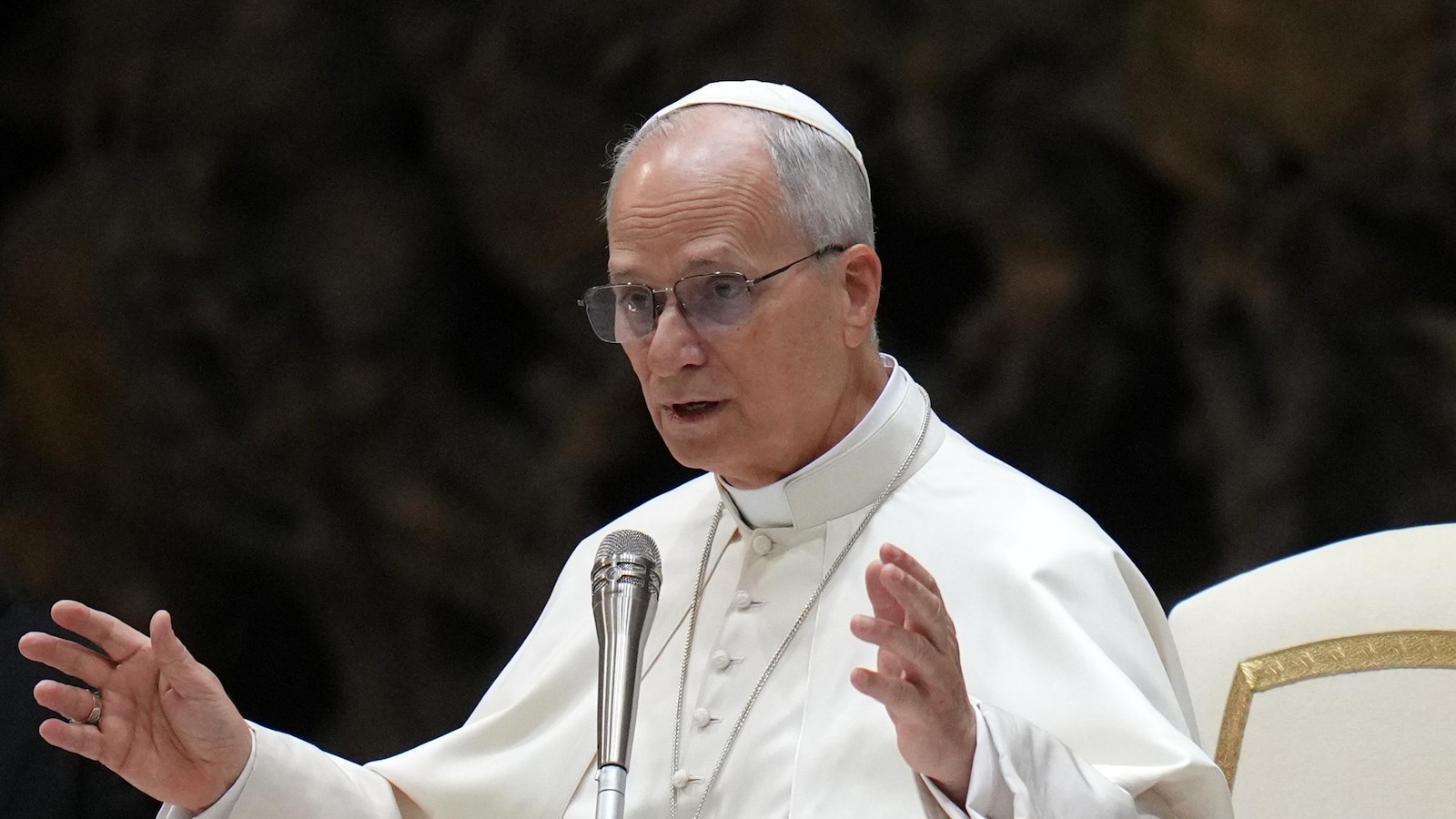
At the Vatican on Friday, Pope Leo XIV delivered his annual foreign policy address to the diplomatic corps, offering his most expansive critique of recent military interventions worldwide.
He warned a 'diplomacy based on force' undermines the post-World War II legal order, saying war is 'back in vogue' and multilateral institutions face serious threats.
Without naming countries directly, the pope referenced U.S. actions in Venezuela, Russia's war in Ukraine, and other conflicts, urging respect for sovereignty and protection of civilians.
Leo appealed for an immediate ceasefire in Ukraine, a peaceful political solution for Venezuela, a two-state path for Israel-Palestine, and greater U.N. engagement to foster dialogue.
He also raised concerns about widespread persecution of Christians, opposed abortion and surrogacy policies, and warned that rhetoric is increasingly used to justify unilateral force.
Analysis
Center-leaning sources... frame the piece as a defense of the rules-based international order, using loaded verbs like 'blasts' and foregrounding examples (the Venezuela raid, Russia/Ukraine) that reinforce the pope’s critique. These editorial choices prioritize his normative claims and underplay opposing explanations, while direct quotes are presented as source content.
FAQ
Pope Leo XIV used the phrase ‘diplomacy based on force’ to criticize governments that rely on military, economic, or political coercion instead of dialogue and international law, warning that the renewed acceptance of war as a policy tool undermines the post–World War II system built on the United Nations, multilateral treaties, and peaceful conflict resolution.[2]
Without naming states directly, Pope Leo XIV called for an immediate ceasefire and dialogue in Ukraine, urged a peaceful political solution and respect for sovereignty in Venezuela, and advocated a two-state solution and protection of civilians in the Israel–Palestine conflict, including Gaza, while asking the international community and the UN to intensify diplomatic engagement.[2]
Pope Leo XIV warned that multilateral institutions created after World War II are weakening as states bypass them with unilateral actions, use rhetoric to justify force, and show declining commitment to shared rules, which he said threatens human rights protection, conflict prevention, and the credibility of international law.[2][4]
Pope Leo XIV highlighted that Christians face persecution, discrimination, and legal restrictions in many countries and defended religious freedom as a basic human right, insisting that believers must be able to practice their faith publicly and contribute to society without coercion or repression.[2]
In the same address, Pope Leo XIV condemned abortion and commercial surrogacy as violations of human dignity and the rights of the child, arguing that a consistent commitment to peace and human rights in international relations must include protecting unborn life, the integrity of the family, and vulnerable women and children.[1]


