China Urges Canada to Embrace 'Strategic Autonomy' as PM Carney Seeks Trade Gains in Beijing
Prime Minister Mark Carney visits Beijing to seek trade deals and tariff relief as Chinese state media pushes Canada toward 'strategic autonomy' from U.S. influence.
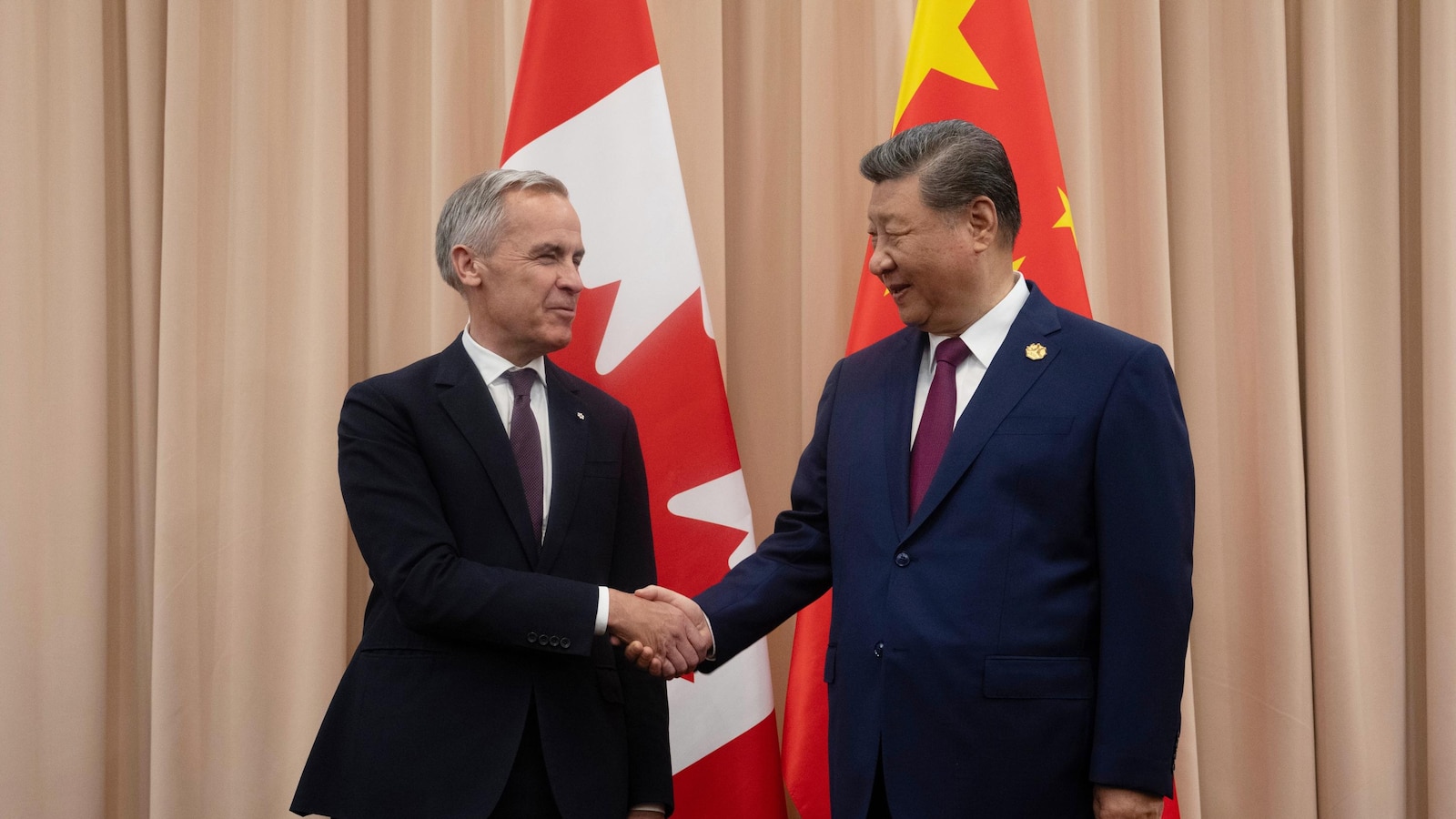
 ABC News
China urges Canada to break from US influence as PM Carney visits Beijing
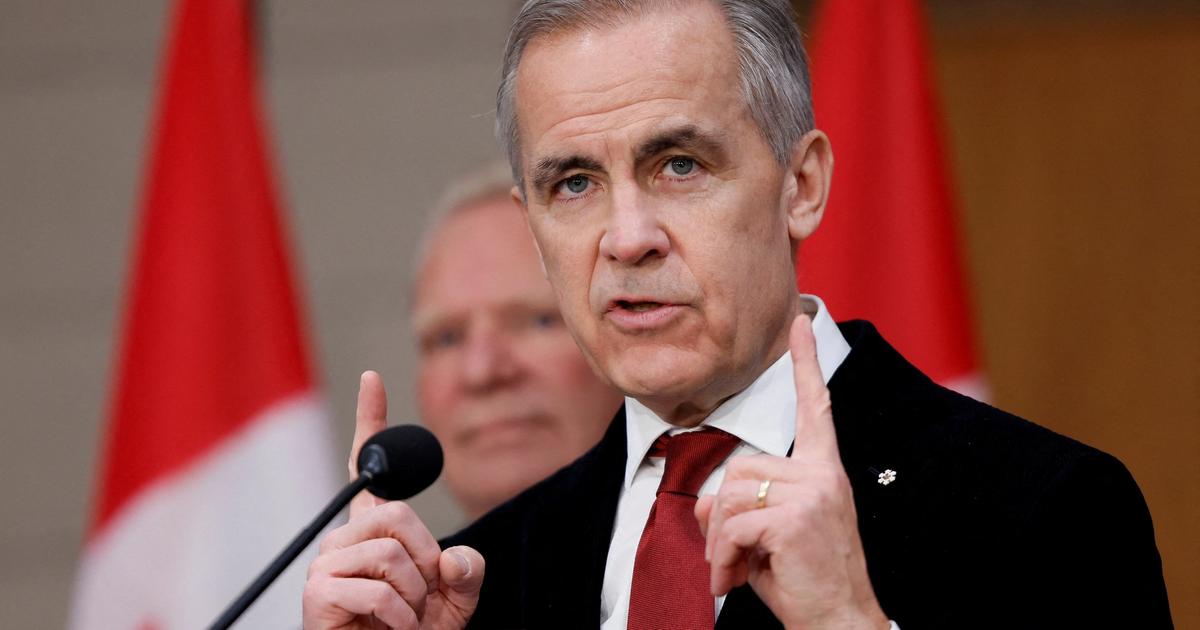
 Semafor
Canadian PM Carney heads to China for trade talks
 Associated Press
China urges Canada to break from US influence as PM Carney visits Beijing
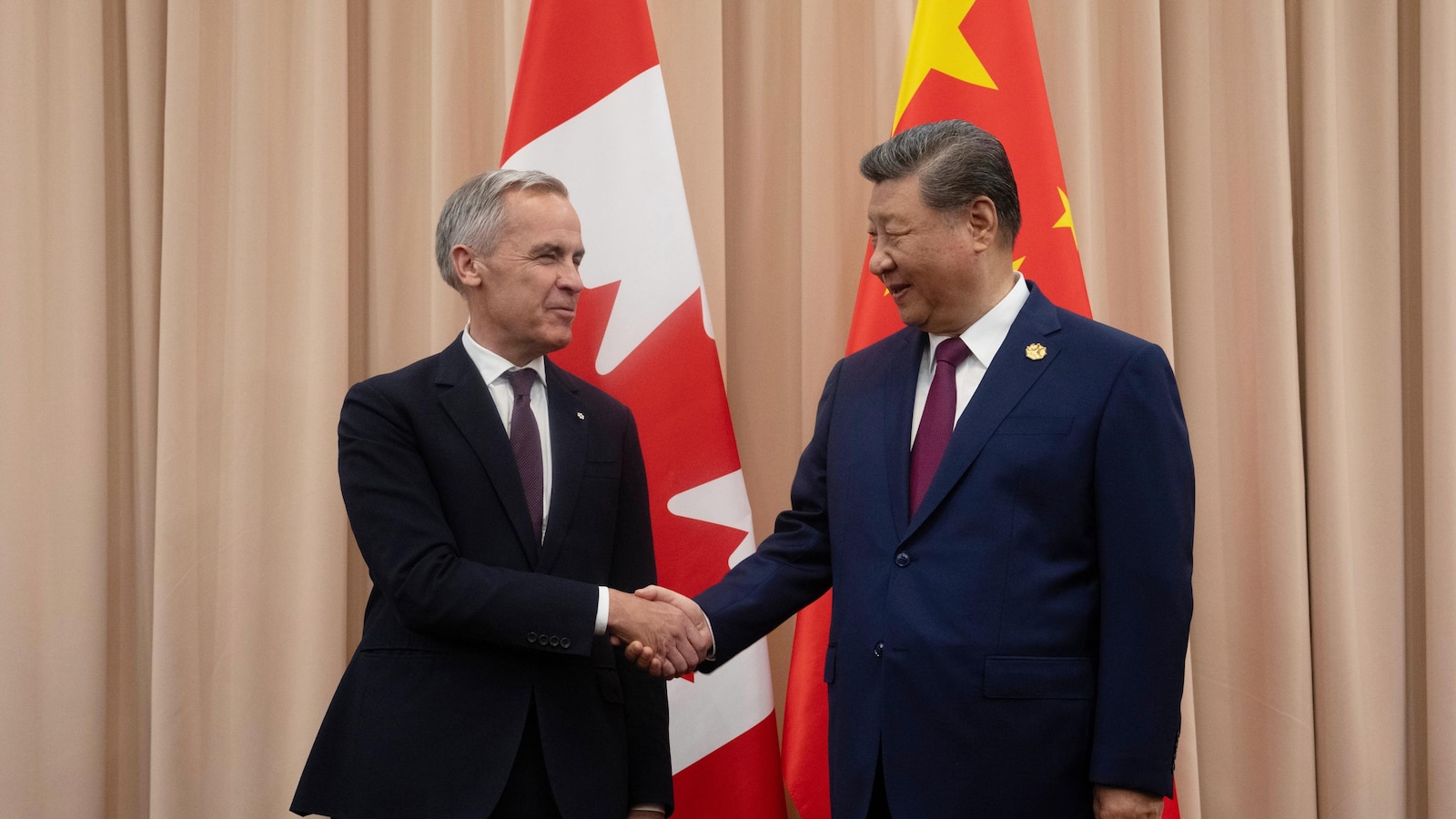 ABC News
As Canada tries to reduce its dependence on the US, its leader will visit China to rebuild ties
Overview
Prime Minister Mark Carney arrived in Beijing this week to revive strained Canada-China ties and negotiate trade terms, emphasizing reduced dependence on the U.S. market.
Chinese state media urged Ottawa to pursue 'strategic autonomy,' arguing U.S. policies erode alliances and encouraging Canada to distance itself from Washington with cautious steps.
Relations soured after the 2018 Meng Wenzhou arrest and Canada's 2024 tariffs on Chinese EVs and steel prompted Chinese retaliation on canola, seafood and pork exports.
Carney frames talks as diversifying markets, seeking tariff rollbacks; reports suggest Canada might offer lowering EV tariffs in exchange for China cutting its levies.
Analysts caution Canada will balance short-term gains with persistent concerns over human rights, Taiwan, technology transfer and enduring U.S. economic and security ties.
Analysis
Center-leaning sources frame the story as Western allies managing a fraught balancing act between an 'increasingly unpredictable White House' and an assertive China, using evaluative language ('tricky balancing act', 'pain of a trade war'), prioritizing allied perspectives and security/economic costs while omitting substantive Chinese or pro-U.S. strategic rationales.
FAQ
Chinese state media urges Canada to pursue 'strategic autonomy' by setting a foreign policy independent of the U.S., particularly avoiding alignment with U.S. policies on tariffs and containment of China to mend bilateral ties.
