UN's top court opens landmark genocide hearings against Myanmar over Rohingya atrocities
The ICJ begins hearings on Gambia's 2019 accusation that Myanmar's 2016–2017 military operations constituted genocide against the Rohingya, with survivors testifying in The Hague court.



Overview
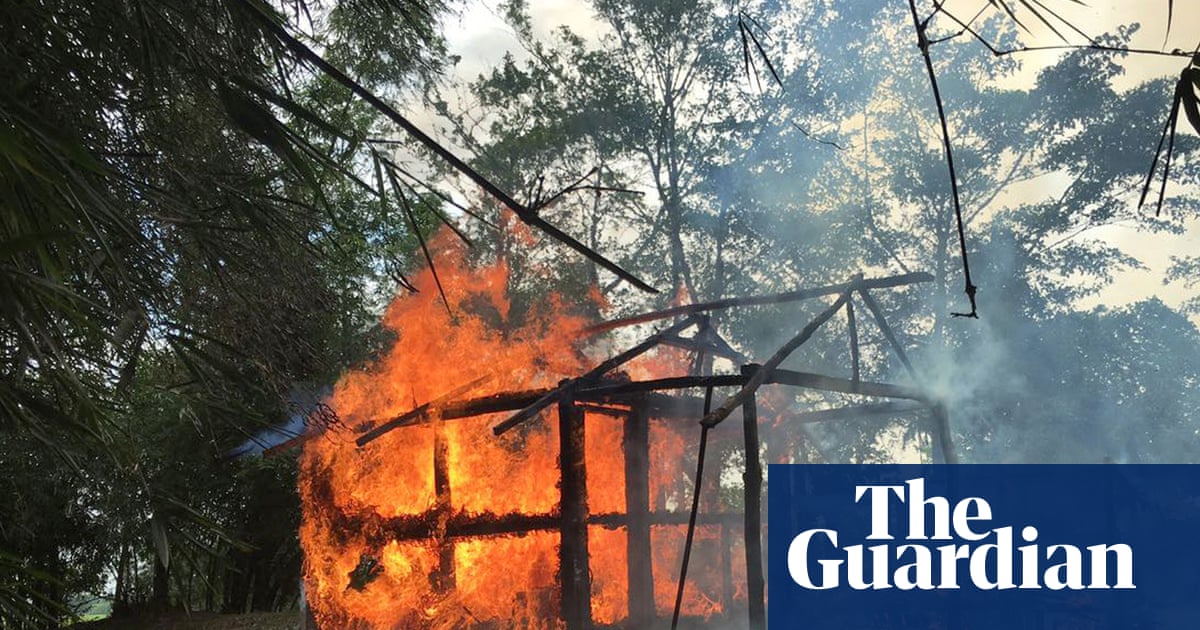
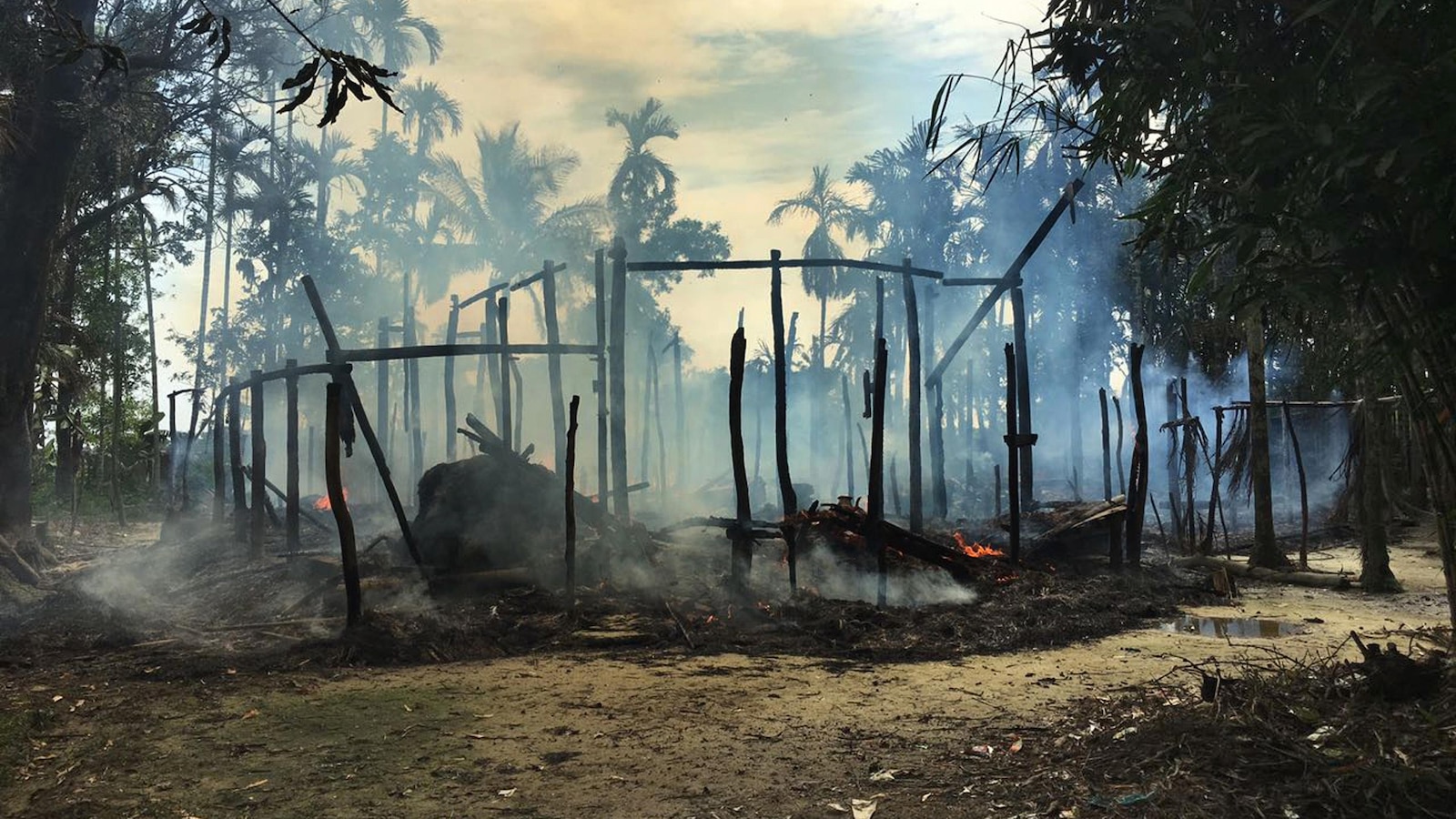
Gambia filed a 2019 case at the International Court of Justice accusing Myanmar's military of genocide for 2016–2017 'clearance operations' that forced hundreds of thousands to flee.
More than 700,000 Rohingya fled to Bangladesh; about 1.2 million live in overcrowded camps facing recruitment, sexual violence, and severe aid reductions harming children.
ICJ hearings are the first full genocide trial there in over a decade and could shape legal definitions and influence separate cases like South Africa’s against Israel.
Myanmar denies genocide; Aung San Suu Kyi previously defended the state but is now detained after the 2021 military coup that intensified impunity and violence.
A finding of genocide could bolster ICC investigations and legal remedies, but the ICJ lacks direct enforcement, leaving implementation dependent on international political will.
Analysis
Center-leaning sources emphasize humanitarian harm and legal accountability, using vivid victim descriptions and selective context to frame Myanmar as culpable while noting official denials as secondary. Editorial choices—evocative language, focusing on refugee suffering, and inclusion of U.S. aid cuts—shape a narrative prioritizing victims’ plight and legal recourse.
FAQ
Rohingya militant attacks on police posts in October 2016 and August 2017 prompted Myanmar's military to launch 'clearance operations' involving mass killings, rape, arson, and forced displacement of over 700,000 Rohingya to Bangladesh.
Over 1 million Rohingya live in overcrowded camps in Cox’s Bazar, facing humanitarian crises including recruitment, sexual violence, and severe aid reductions affecting children.
Myanmar denies committing genocide; former leader Aung San Suu Kyi defended the military's actions in earlier proceedings, though she is now detained following the 2021 coup.
A genocide finding could strengthen ICC probes into Myanmar and influence legal precedents in cases like South Africa’s against Israel, though ICJ lacks enforcement power.
Ongoing conflict between the Myanmar military and Arakan Army involves forced Rohingya recruitment, aerial attacks, arson, and civilian casualties, echoing 2017 atrocities.