Claudette Colvin, whose 1955 bus-seat defiance helped spark the civil rights movement, dies at 86
Claudette Colvin, arrested at 15 in 1955 for refusing to yield her bus seat, died at 86; she helped spur legal action ending Montgomery segregation.

 Al Jazeera
Unsung US civil rights pioneer Claudette Colvin dies, aged 86

 NPR
NPRClaudette Colvin, who refused to move seats on a bus at start of civil rights movement, dies
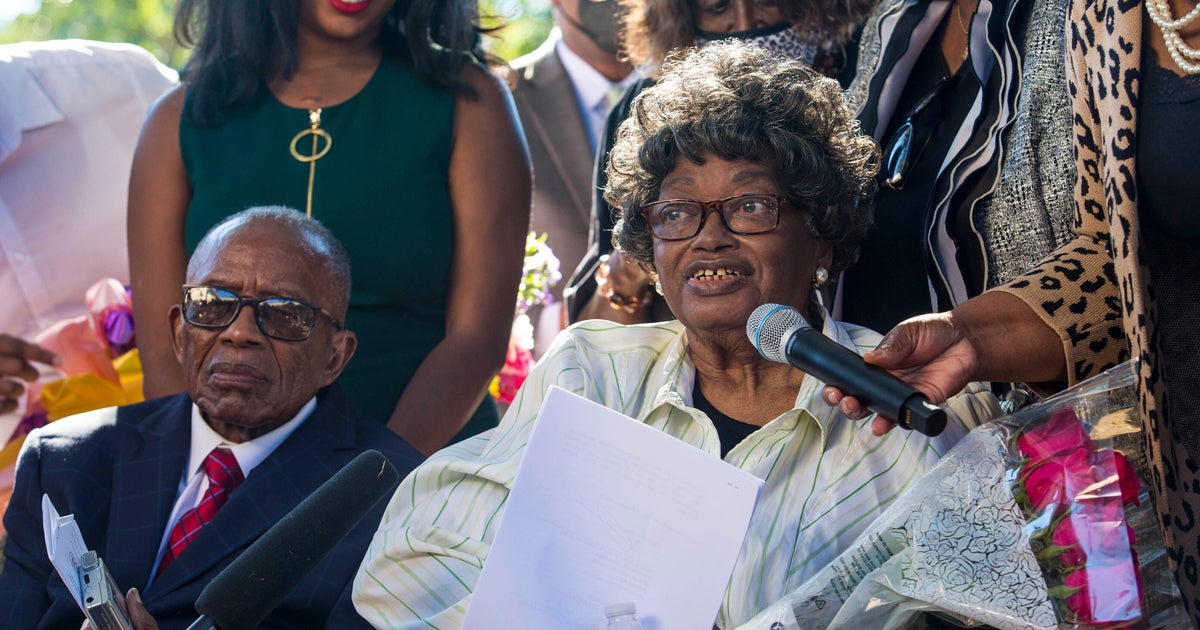
 CBS News
Claudette Colvin, civil rights champion arrested for not giving up bus seat in Alabama, dies at 86
 Associated Press
Claudette Colvin, who refused to move seats on a bus at start of civil rights movement, dies at 86
Overview
Claudette Colvin, a 15-year-old Black student in Montgomery, Alabama, refused to relinquish her bus seat on March 2, 1955, leading to her arrest and national attention.
Her refusal preceded Rosa Parks' December 1955 protest by nine months and became one of multiple incidents fueling the Montgomery Bus Boycott and wider civil rights organizing.
Colvin was among the four plaintiffs in Browder v. Gayle, the lawsuit that successfully challenged bus segregation and influenced rulings ending segregation on public transportation.
Often overshadowed by Rosa Parks, Colvin later worked as a nursing aide, sought expungement of her juvenile record, and received renewed recognition late in life.
She died in Texas at age 86 of natural causes; family and the Claudette Colvin Legacy Foundation highlighted her courage and enduring influence on civil rights history.
Analysis
Center-leaning sources present this reporting as neutral: they rely on factual chronology (Colvin's arrest, lawsuit, relation to Rosa Parks), attribute evaluations to speakers (Colvin, Montgomery mayor), avoid loaded adjectives, and foreground legal/contextual details rather than partisan claims, using direct quotes as source content rather than editorial judgment.
FAQ
On March 2, 1955, 15-year-old Claudette Colvin, a Black high school student in Montgomery, Alabama, refused to move from her seat in the 'colored' section to the back when asked by the driver to yield to a white passenger, citing her constitutional rights; she was arrested.[1]
Colvin's refusal preceded Rosa Parks' by nine months, serving as an early spark, though Parks' arrest in December 1955 mobilized the 381-day boycott; both contributed to challenging bus segregation.[1]
Browder v. Gayle was a 1956 lawsuit challenging Montgomery's bus segregation laws; Colvin was one of four plaintiffs, and the U.S. Supreme Court upheld the ruling declaring it unconstitutional on December 20, 1956, ending the boycott.
Colvin was a pregnant teenager at the time, deemed less suitable by civil rights leaders for the boycott's symbol compared to the adult, respectable Rosa Parks; her case also couldn't directly challenge segregation due to the assault conviction.
Colvin worked as a nursing aide, sought to expunge her juvenile record, received late-life recognition including awards, and affirmed her pride in sparking change before dying at 86 in Texas of natural causes.[2]