Protests Slow, Trump Says Killings Halted as US Weighs Options
Iran’s nationwide protests have eased amid a brutal security crackdown; President Trump said killings stopped, halted executions, but US keeps military options and assets moving.
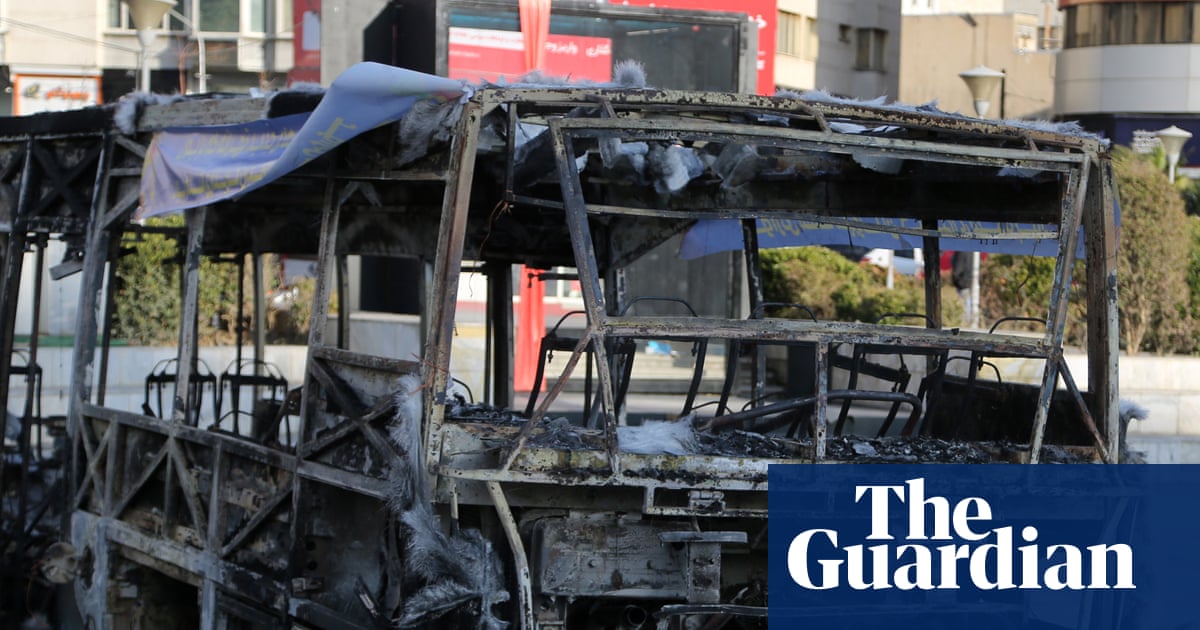
 The Guardian
Iran protests appear to slow under weight of brutal crackdown

 CNN
CNNOn the verge of strikes in Iran, the US held off. What happens next is up to Trump | Politics
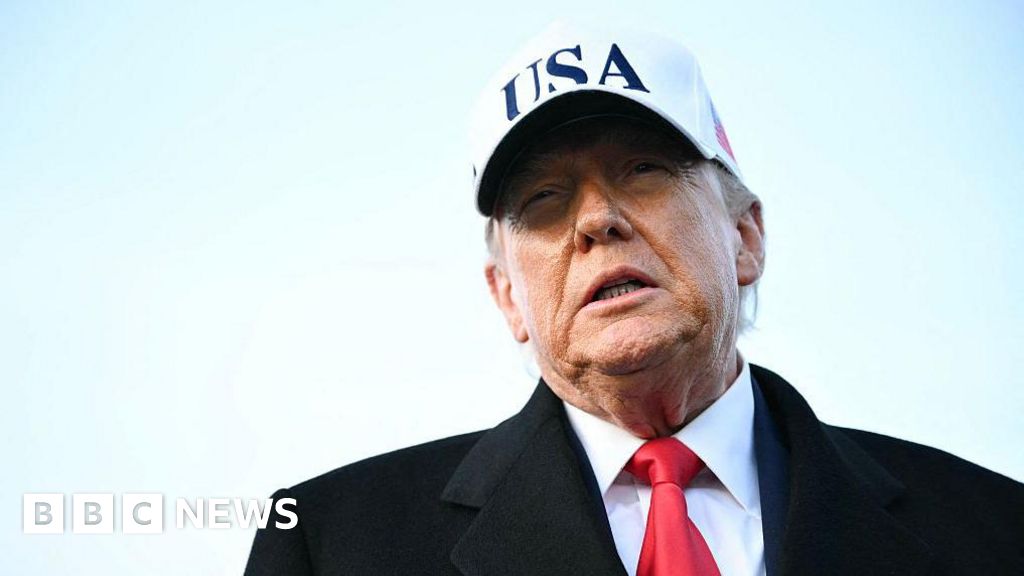
 BBC News
US President Donald Trump aims to keep everyone guessing over Iran action
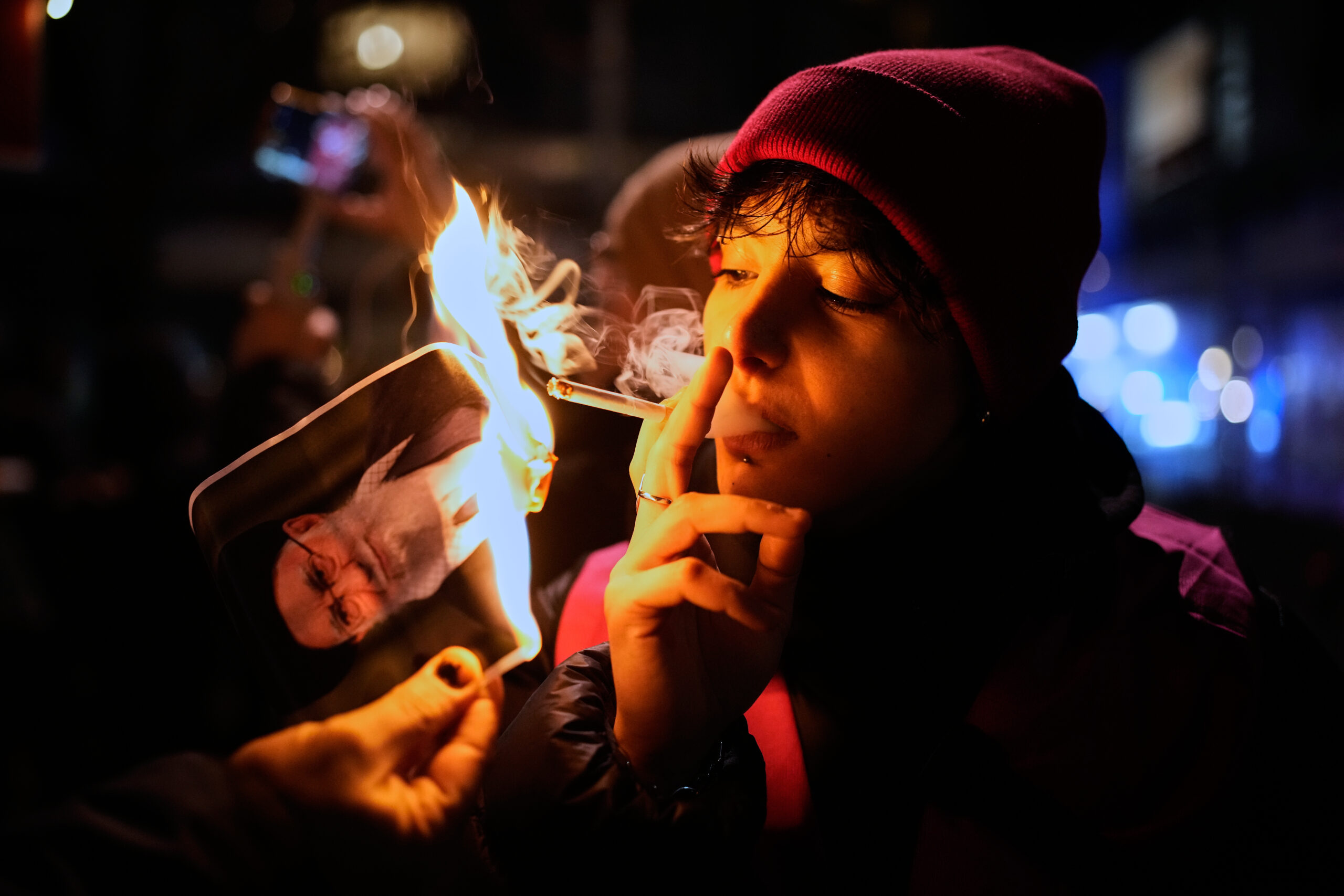
 New York Sun
Iran on the Brink: Death Toll Soars Past 12,000 as Trump Evacuates Troops
Overview
Iran's nationwide protest movement has slowed after weeks of mass demonstrations as authorities conducted a brutal crackdown that rights groups say left thousands dead and tens of thousands imprisoned.
President Trump publicly urged Iranians to keep protesting, then later said 'killing has stopped' citing unnamed 'very important sources,' and claimed halted executions, while keeping options open.
US officials prepared and repositioned military assets, moved a carrier strike group, evacuated some personnel, and kept limited strike and covert options under active consideration.
Regional allies and UN members urged restraint, warned against escalation, while Iran and allies accused the US of interference and defended Iran's security actions at the UN.
Human rights groups report thousands killed, arrests, forced confessions broadcast on state media, internet shutdowns and seizures of Starlink equipment raising concerns about humanitarian access and due process.
Analysis
Center-leaning sources frame the story as one of presidential unpredictability and risky brinkmanship, using loaded descriptors ("keep everyone guessing," "bluff," "spectacle"), prioritizing skeptical experts and congressional critics, and foregrounding military movements and ambiguous Trump remarks. Editorial emphasis downplays pro-action voices, producing a cumulative narrative of caution and skepticism about U.S. strikes' effectiveness.
FAQ
The nationwide protests began on December 28, 2025, due to the collapse of the Iranian rial to a record low, soaring inflation, widespread unemployment, low wages, and economic grievances that evolved into anti-government demonstrations.[3]
The regime has imposed a brutal crackdown with unprecedented violence, including mass unlawful killings, over 10,000 detentions, internet shutdowns since January 8, forced confessions, and use of lethal force by IRGC, Basij, and police; death toll estimates exceed 1,500-2,000.[1]
Trump urged Iranians to continue protesting, claimed killings have stopped and executions halted based on unnamed sources, threatened military intervention if protesters were killed, but later indicated no military strike; US repositioned military assets.[5]
UN urged restraint, restoration of internet, and accountability; regional allies warned against escalation; human rights groups demand investigations; Security Council held emergency meeting on US request amid concerns over deaths and possible strikes.
Protests have slowed significantly after peaking at 156 on January 8, with only 7 recorded on January 13 across fewer provinces, due to brutal crackdown and information restrictions, though some resistance continues in cities like Shiraz.