Canada forges strategic trade deal with China: EV tariffs cut, canola duties eased
Mark Carney agreed to cut Chinese EV tariffs to 6.1% on 49,000 cars annually, while China eases canola duties, and signaling diversification from the US.

 Gizmodo
Trump's Tariffs Just Opened the Door for Chinese EVs in Canada
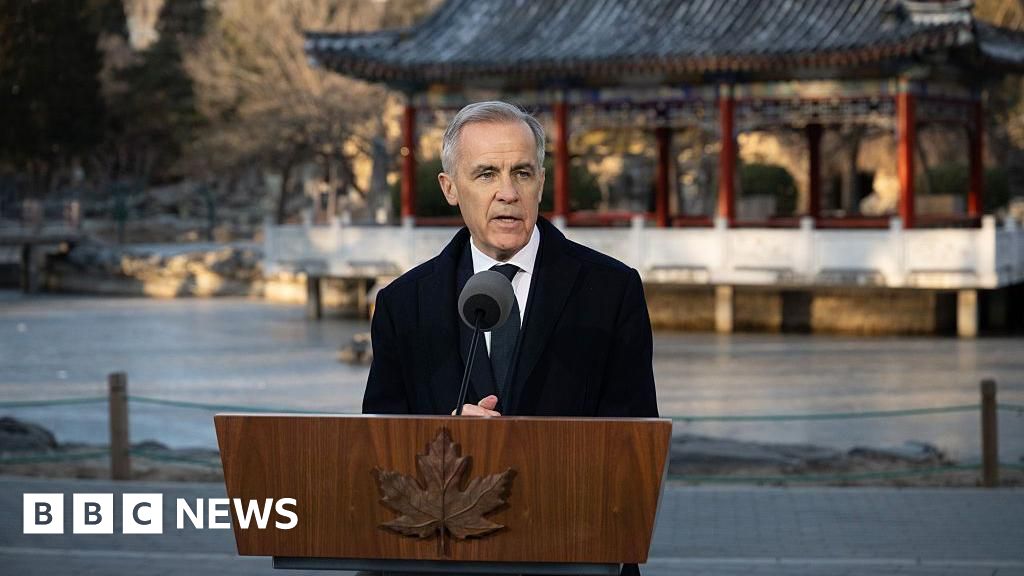
 BBC News
Canada's deal with China signals it is serious about shift from US

 Epoch Times
Ford Criticizes Carney’s Deal Slashing Chinese EV Tariffs, Citing Threats to Ontario Jobs
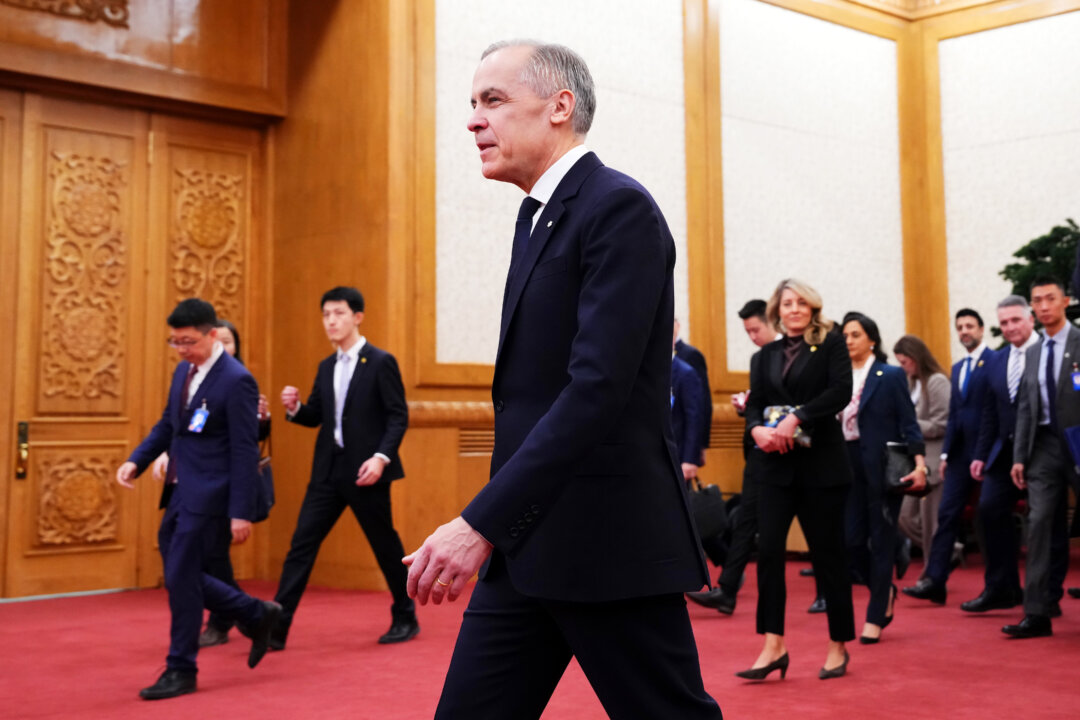 Epoch Times
A China Deal That Trades Leverage for Illusion
Overview
Prime Minister Mark Carney announced in Beijing a preliminary strategic partnership with China reducing Canadian EV tariffs and raising a five-year quota; deal follows two days of meetings.
Canada will lower EV levies from 100% to 6.1% for the first 49,000 Chinese electric vehicles annually, with an expected increase to about 70,000 within five years.
China agreed to cut retaliatory tariffs on canola seed from roughly 84% to about 15% by March 1 and pledged to remove duties on seafood and canola meal temporarily.
Carney framed the move as diversification amid uncertainty with the United States, saying Canada seeks predictable trade ties and to reduce reliance on its largest trading partner.
Domestic leaders and experts split: premiers warn job losses and cheap imports, farmers welcome relief; uncertainties remain over investment commitments, human rights concerns, and U.S. response.
Analysis
Center-leaning sources frame Canada’s China deal as a pragmatic geopolitical recalibration driven by US unpredictability, foregrounding economic trade-offs and government statements while downplaying human-rights concerns. Headlines and lead paragraphs emphasize a 'break with the US' and 'recalibration', prioritize officials and trade experts, and spotlight economic benefits and mixed U.S. reactions.
FAQ
Canada will lower EV tariffs from 100% to 6.1% for an initial quota of 49,000 Chinese electric vehicles annually, expected to increase to about 70,000 within five years.
China will reduce retaliatory tariffs on Canadian canola seed from approximately 84-85% to 15% by March 1, 2026, and temporarily remove duties on canola meal, seafood, and peas.
Prime Minister Mark Carney framed it as diversification from US trade uncertainties, aiming for predictable ties, reduced reliance on the largest partner, and boosting exports and investments.
Premiers and experts warn of job losses from cheap imports, while farmers welcome canola tariff relief; uncertainties include investment commitments, human rights, and US response.