Tariffs Deepen Rift as Trump Pursues Greenland
Trump's Greenland push and 10% tariffs on eight NATO allies unite Europe, prompt congressional limits on military action, and raise questions about NATO's long-term cohesion.

 Chicago Tribune
Republicans and Democrats are trying to contain Donald Trump’s Greenland aggression. Will it be enough?
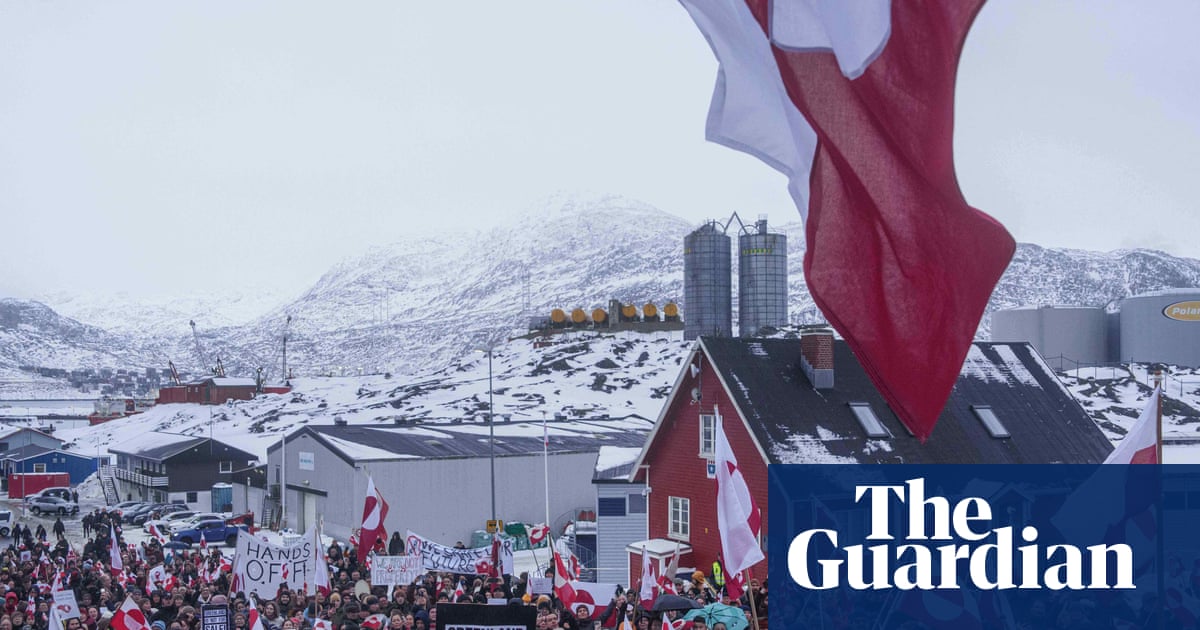
 The Guardian
Western alliance hangs in balance as Europe stiffens itself against Trump’s threats

 BBC News
'Europe won't be blackmailed,' Danish PM says in wake of Trump Greenland threats
 Fortune
Down Arrow Button Icon
Overview
President Trump announced 10% tariffs effective Feb. 1 on goods from eight NATO allies—Denmark, Norway, Sweden, France, Germany, the U.K., the Netherlands and Finland—escalating Greenland dispute.
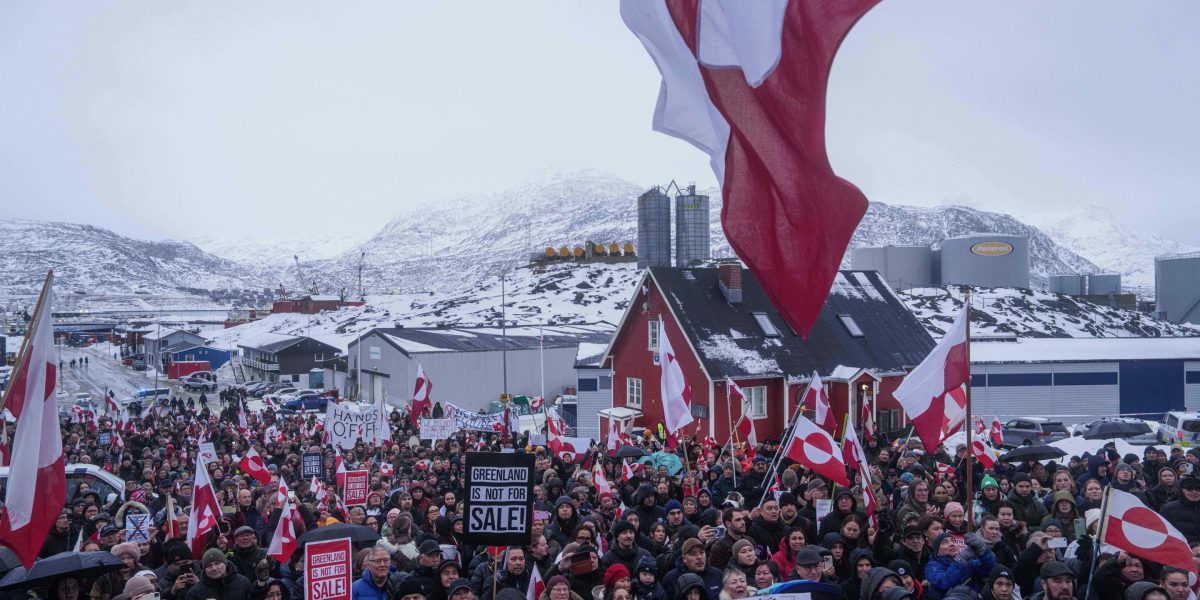
The eight targeted nations issued a joint statement backing Denmark and Greenland, calling military exercises defensive, condemning tariff threats as undermining transatlantic relations.
Bipartisan U.S. lawmakers traveled to Copenhagen and Nuuk, proposing legislation to bar Defense funds for attacks on allied territory and war-powers measures to require congressional approval.
European leaders convened emergency meetings, considered the EU anti‑coercion instrument and warned Trump’s tariff threats risk a 'dangerous downward spiral' and weakening NATO cohesion.
Legal and practical questions linger over how tariffs could apply to the EU single market and whether U.S. emergency powers legally permit such punitive measures.
Analysis
Center-leaning sources frame the story as a transatlantic crisis driven by Trump's coercive tactics, emphasizing European unity and alarm. Editorial choices—loaded verbs ('ultimatum', 'weaponize'), prioritizing leaders' condemnations and expert critics, and opening with emergency meetings and joint statements—collectively portray the administration as destabilizing NATO and Arctic security.
FAQ
The tariffs target Denmark, Norway, Sweden, France, Germany, the U.K., the Netherlands, and Finland.
The 10% tariffs take effect on February 1, 2026, and are set to increase to 25% in June unless a deal is reached for Greenland.
Trump imposed the tariffs due to these countries sending military personnel to Greenland for exercises, as part of his push to purchase the territory from Denmark.
The eight nations issued a joint statement supporting Denmark, European leaders called it blackmail, convened emergency meetings, and considered activating the EU's anti-coercion instrument.
Bipartisan US lawmakers proposed legislation to bar Defense funds for attacks on allied territory and require congressional approval for military actions.
