Trump’s 'Board of Peace' aims to expand beyond Gaza, seeks major funding and global partners
President Trump is inviting world leaders to a Board of Peace, initially for Gaza, proposing a broader international mandate and seeking substantial financial commitments now.

 Al Jazeera
Trump’s ‘board of peace’ appears to seek wider mandate beyond Gaza
 Associated Press
Board of Peace for Gaza is forming with ambitions for a wider mandate of other conflicts
 Epoch Times
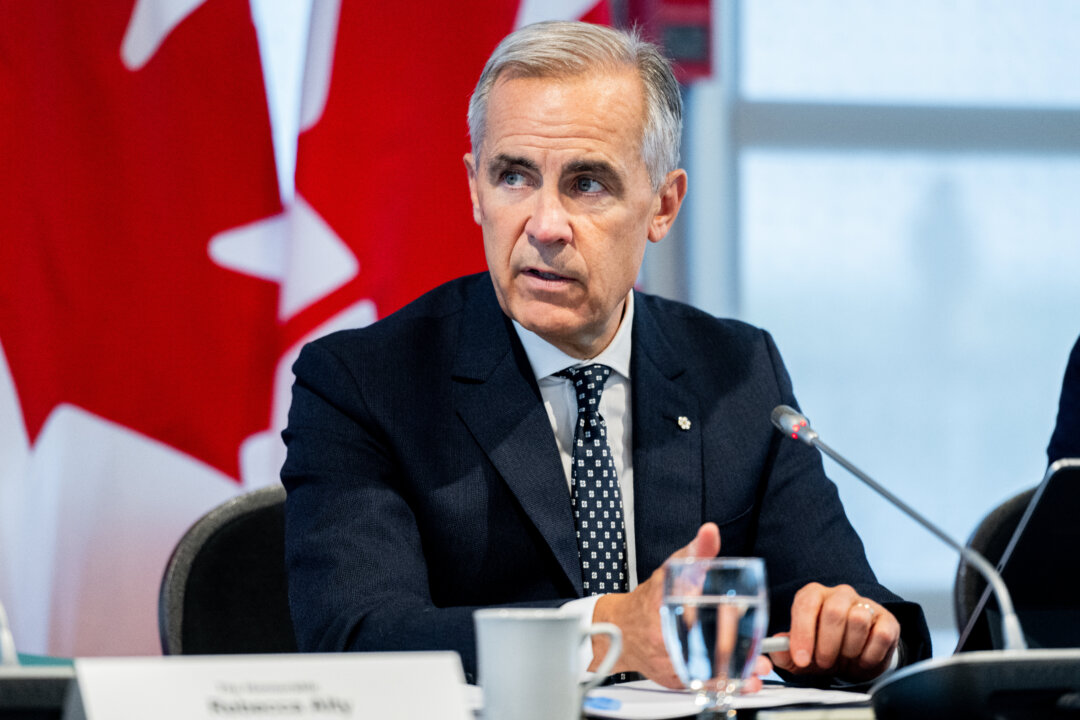
Carney to Play Role on US-Led ‘Board of Peace’ in Gaza
 Al Jazeera
Trump asks Turkiye’s Erdogan, Egypt’s el-Sisi to join Gaza ‘Board of Peace’
Overview
President Trump has invited about 60 countries' leaders, including Milei, Pena, Erdogan, el‑Sisi, and Blair, to join a Board of Peace initially tied to Gaza ceasefire.
Draft letters and a circulated charter frame the board as a new international organisation to promote governance, reconstruction, investment and stability, with reports of $1 billion contributions for permanent membership.
U.S. officials call the board's broader role 'aspirational' and deny replacing the UN; diplomats and experts warn it could sidestep UN norms and marginalise smaller states.
Critics highlighted the exclusion of Palestinians from initial executive boards; a Palestinian technocratic NCAG led by Ali Shaath is slated for day‑to‑day Gaza governance, drawing Israeli objections.
Humanitarian crises and widescale destruction in Gaza mean reconstruction, rubble removal and maintaining a ceasefire present massive logistical, funding and political challenges amid trusteeship concerns.
Analysis
Center-leaning sources frame the Board of Peace skeptically, emphasizing controversy and legitimacy concerns. Editorial choices use loaded terms like "upheaval" and "colonial solution," prioritize critical voices (U.N. experts, Palestinian figures, rival states), and highlight the absence of Palestinian representatives, structuring the story to question U.S. unilateralism.
FAQ
Donald J. Trump serves as the inaugural Chairman of the Board of Peace, which initially focuses on overseeing the postwar management and ceasefire in Gaza.
The Executive Board includes Secretary Marco Rubio, Steve Witkoff, Jared Kushner, Sir Tony Blair, Marc Rowan, Ajay Banga, Robert Gabriel, and Nickolay Mladenov as High Representative for Gaza.
Nations may need to contribute at least $1 billion to secure permanent membership, according to a draft charter.
Critics warn it could sidestep UN norms, marginalize smaller states, exclude Palestinians from initial executive boards, and serve as an alternative to the UN.
The NCAG, led by Ali Shaath, is a Palestinian technocratic group slated for day-to-day Gaza governance, linked to the Board via the High Representative.