Trump Eyes Canada as Next Strategic Target Amid Canada–China Rapprochement
Trump's administration pressures Canada over Arctic defenses while Prime Minister Mark Carney deepens ties with China, cutting EV tariffs amid trade diversification and domestic opposition.




Overview
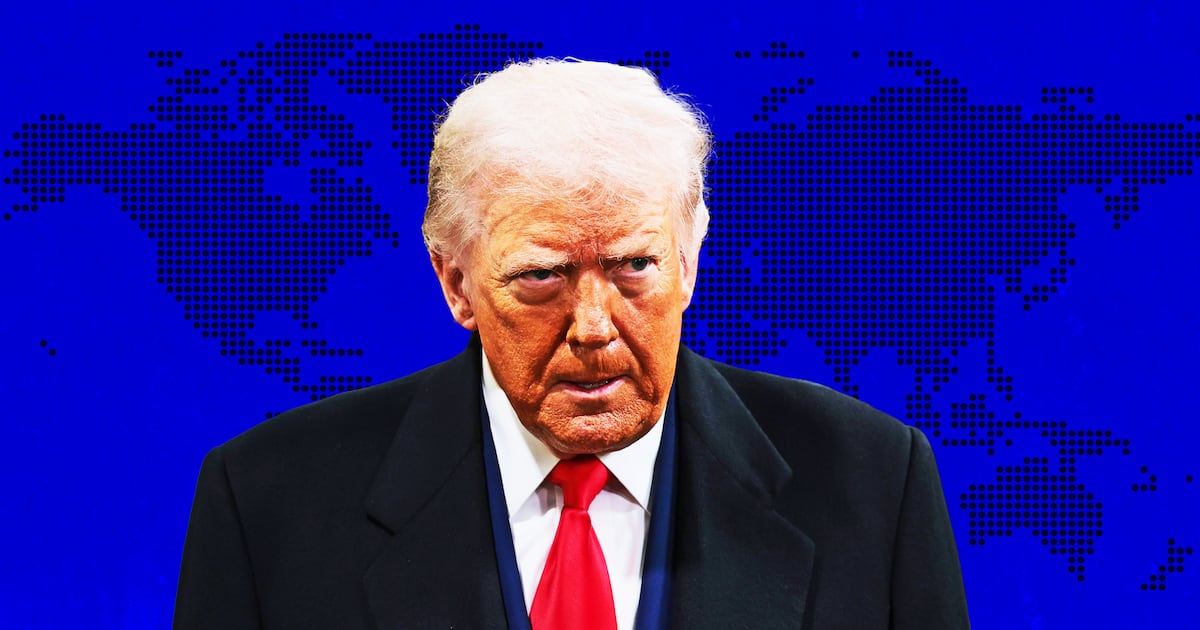
President Donald Trump and aides are reportedly focused on Canada, discussing expanded U.S. maritime patrols and additional icebreakers to counter perceived Russian and Chinese Arctic influence.
Conversations follow Trump’s broader push to 'solidify' the Western Hemisphere after earlier attempts to acquire Greenland and recent actions in Venezuela and other regional interventions.
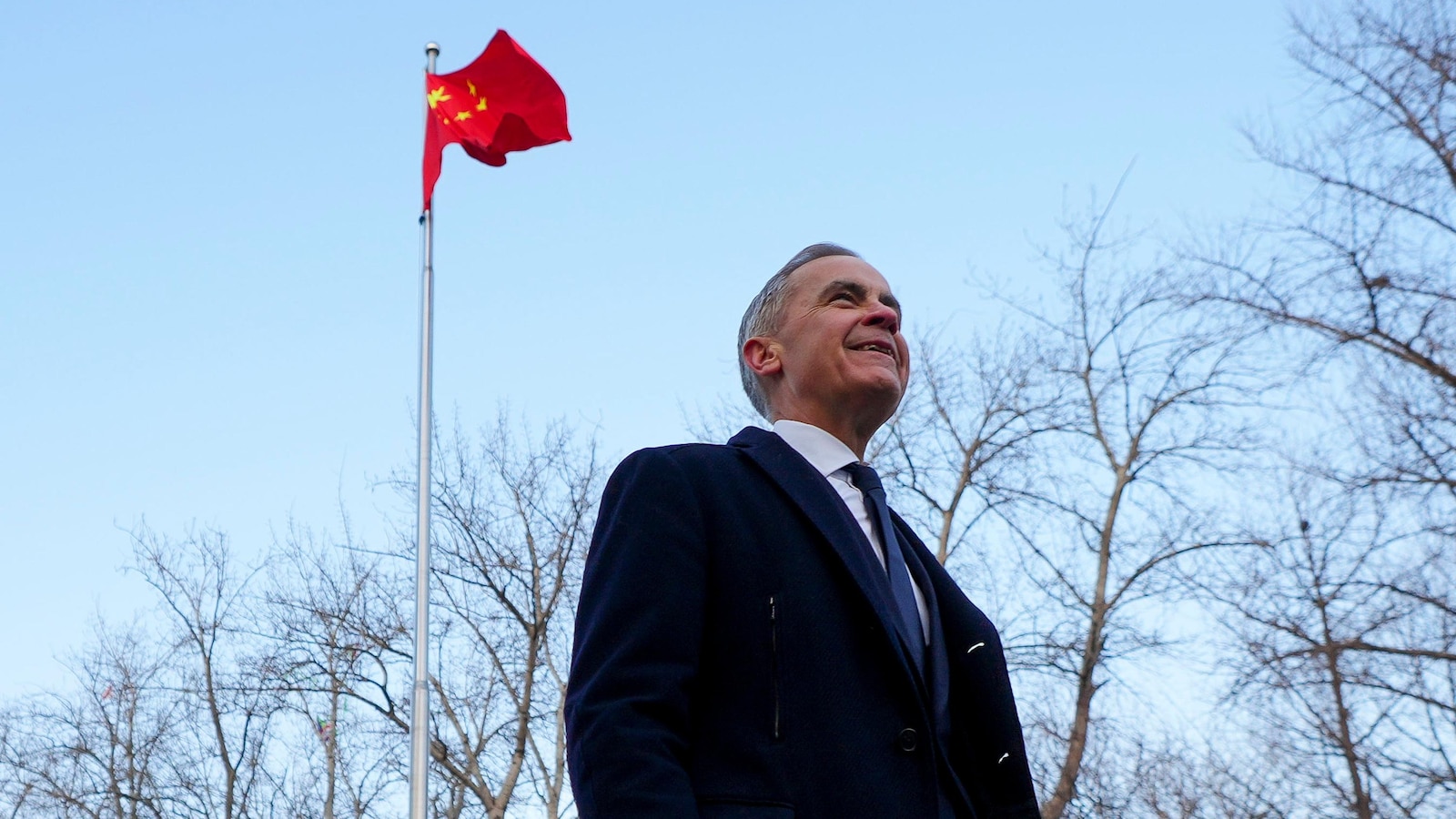
Prime Minister Mark Carney traveled to Beijing, secured a preliminary deal lowering canola tariffs and allowing up to 49,000 Chinese EVs into Canada under a phased, capped tariff arrangement.
Ontario’s Doug Ford and opposition politicians warn reduced EV protections risk Canadian auto jobs; analysts note possible U.S. retaliation and uncertainty for USMCA renewal negotiations.
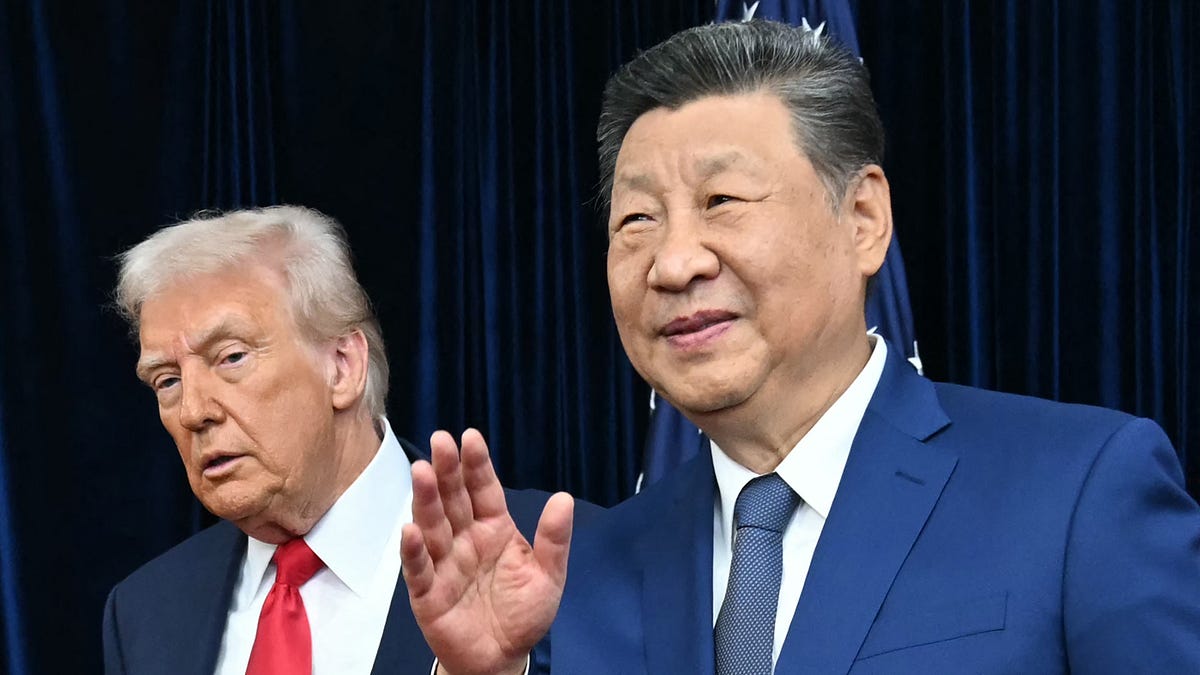
The developments signal Canada’s strategic pivot to diversify away from the U.S., reshaping Arctic security, trade alignments, and geopolitics as China seeks influence amid U.S. unpredictability.
Analysis
Center-leaning sources frame Trump’s trade policy as 'belligerent' and 'unpredictable,' stressing U.S. self‑harm and partners’ realignment. Editorial framing shows in loaded adjectives, selective emphasis on retaliation risks, and prioritizing critical experts; source content (Carney, Alden, Ford, Trump) supplies factual quotes that are presented to reinforce that negative narrative.
FAQ
The article refers to Prime Minister Mark Carney as the leader who traveled to Beijing to secure a deal with China.
Trump is critical of Canada's vulnerability to Russian and Chinese influence in the Arctic, urging more defense spending and discussing expanded U.S. maritime patrols and icebreakers.
Mark Carney secured a preliminary deal in Beijing lowering canola tariffs and allowing up to 49,000 Chinese EVs into Canada under a phased, capped tariff arrangement.
Ontario’s Doug Ford and opposition politicians warn that reduced EV protections risk Canadian auto jobs, with analysts noting potential U.S. retaliation and USMCA renewal uncertainty.
Trump aims to solidify U.S. influence in the Western Hemisphere through Arctic security enhancements with Canada, following actions in Greenland, Venezuela, and a 'Trump Corollary' to the Monroe Doctrine.
