Maduro’s capture reshapes exile politics as prisoner releases remain limited and contested
Maduro's capture by U.S. forces has boosted Trump support among Venezuelan and Cuban exiles while prisoner releases remain limited and contested across Venezuela and Nicaragua.
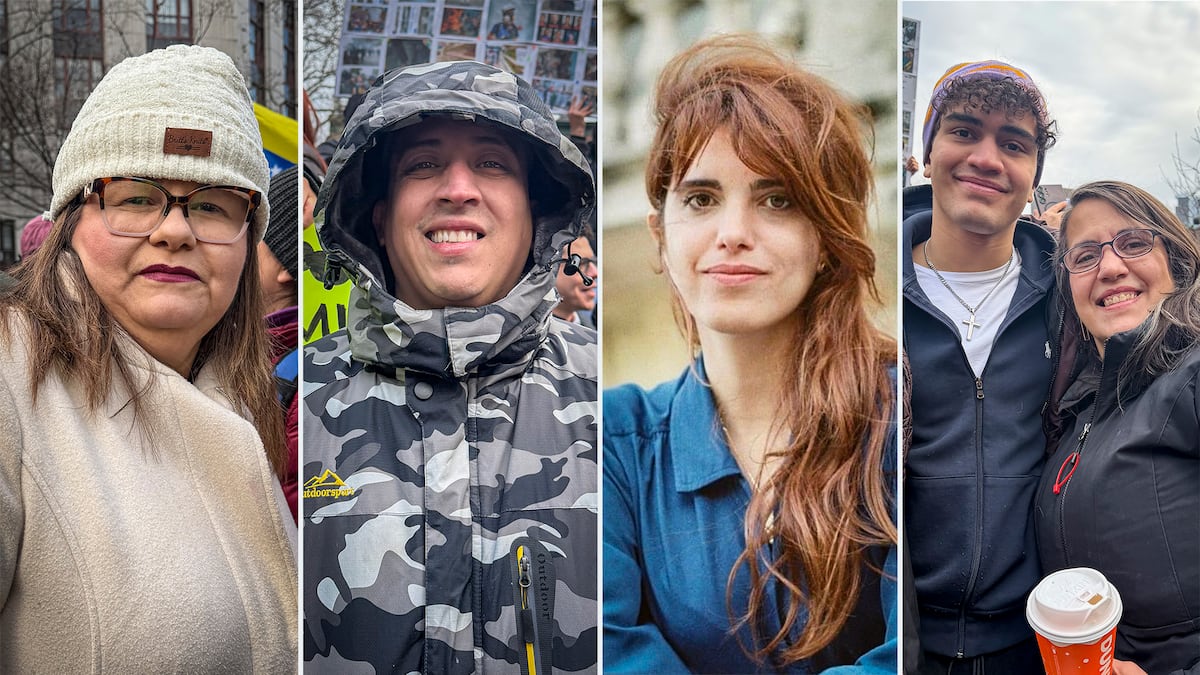
 El Pais
Maduro’s capture boosts support for Trump among Venezuelans and Cubans: ‘He’s a man of his word’
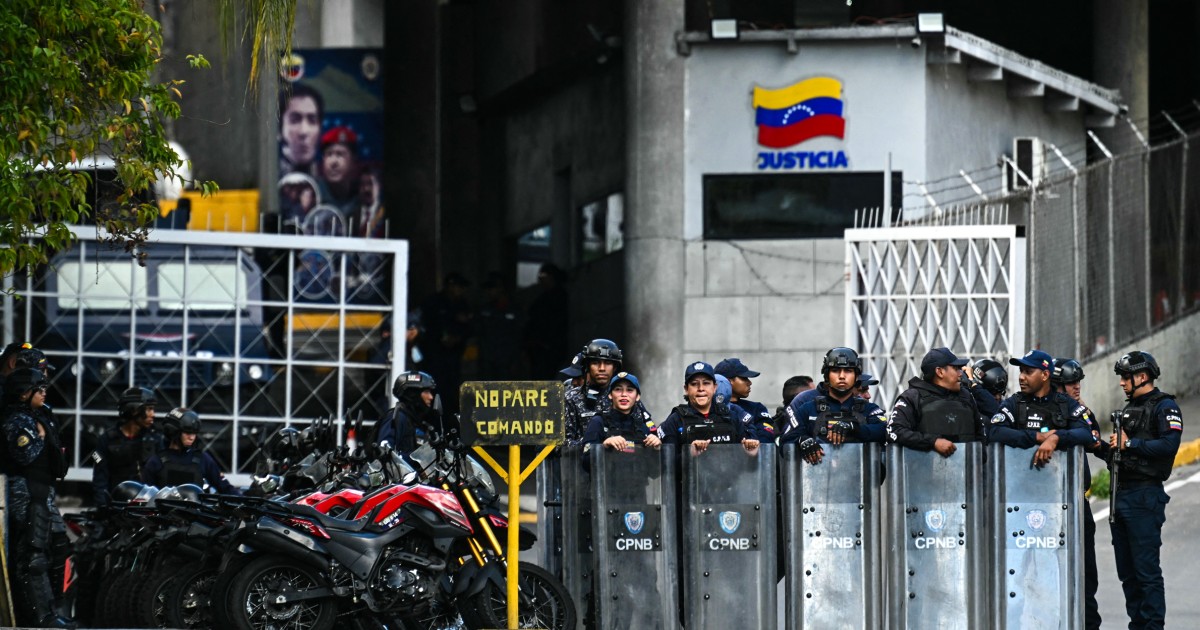
 NBC News
Venezuela promised to free political prisoners, but their families are still waiting

 CBN
CBNVenezuela, Nicaragua Start Releasing US Citizens and Other Political Prisoners After Maduro Capture
Overview
The U.S. capture of Nicolás Maduro (Jan. 3) has generated strong support for President Trump among many Venezuelan and Cuban exile communities, who view it as decisive action against dictatorships.
Polls show a divided U.S. public: a YouGov poll finds 56% disapprove of the intervention and 66% say Trump should have sought congressional authorization.
Venezuela's interim government announced prisoner releases, but human rights groups report far fewer freed; families await transparency amid reports of 800 to 900 political detainees.
Some U.S. citizens and foreign detainees were among those released; Nicaragua also freed dozens after U.S. pressure, signaling regional shifts and diplomatic leverage.
Critics warn capture raises questions about sovereignty, rule of law, and long-term stability; supporters argue it could enable democratic transition and potential repatriation for exiles.
Analysis
Center-leaning sources frame the story as evidence of government repression and opacity, foregrounding victims’ anguish and human-rights groups while casting official releases as unverifiable. They prioritize family testimony and rights-group counts, highlight torture, deaths, and arrests, and juxtapose vague government claims with independent tallies to imply bad faith.
FAQ
Nicolás Maduro was captured by U.S. forces on January 3, 2026, as part of a U.S. intervention in Venezuela aimed at crippling his regime, disrupting drug trade, and accessing oil reserves.
The capture has boosted support for Trump among many Venezuelan and Cuban exile communities, particularly conservatives, who view it as decisive action against dictatorships and fulfilling campaign promises.
Venezuela's interim government announced releases, with 139 confirmed out of an estimated 800-900 political detainees, though human rights groups report far fewer than promised and call for transparency.
Cuba lost 32 nationals killed while protecting Maduro, faces potential cutoff of subsidized Venezuelan oil (30-35,000 barrels/day), and is bracing for economic crisis and U.S. pressure under revived Monroe Doctrine policies.
A YouGov poll shows 56% of Americans disapprove of the intervention and 66% say Trump should have sought congressional authorization; critics warn of sovereignty issues, rule of law concerns, and stability risks.