UN report: world has entered an era of 'global water bankruptcy'
UN report warns world has entered an era of global water bankruptcy, with overused rivers, shrinking aquifers, and irreversible losses demanding urgent adaptation and reforms.



Overview
UN University report by Kaveh Madani declares a new era of 'global water bankruptcy' as major water systems are depleted, polluted, or irreversibly altered worldwide.
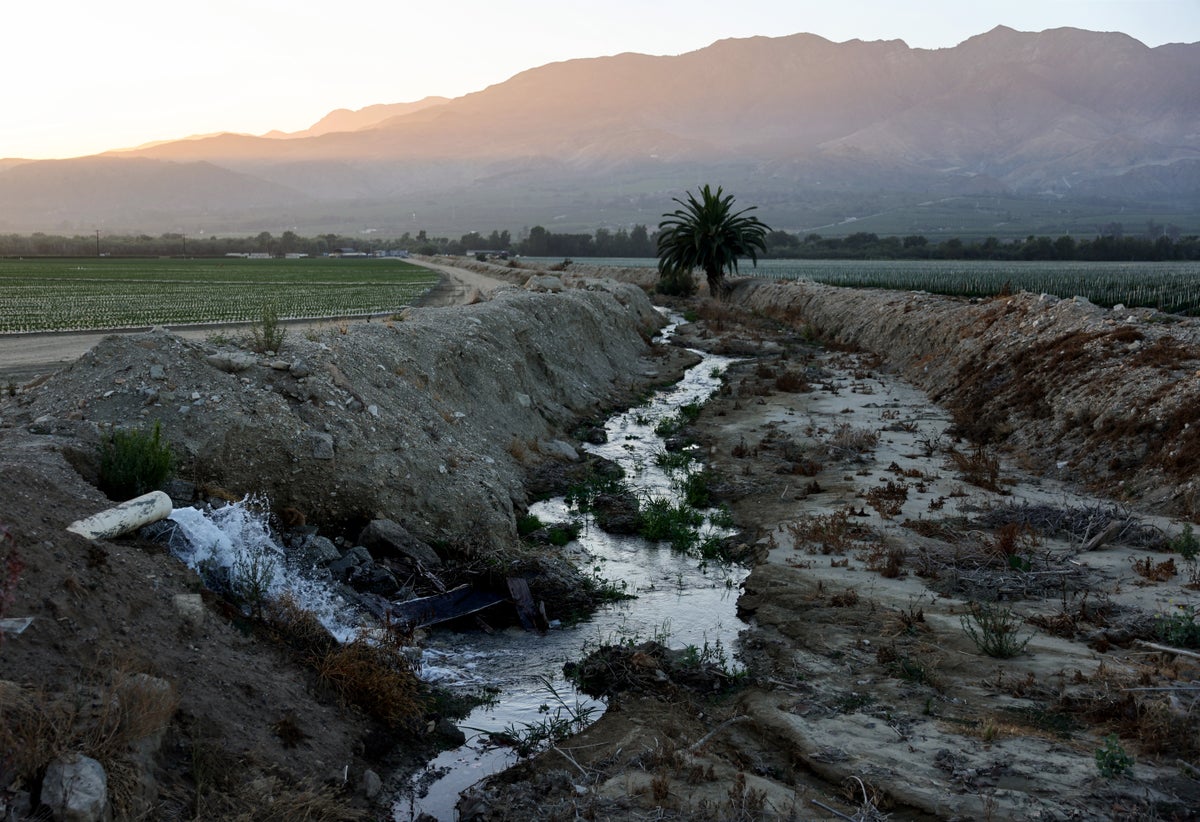
The report cites global hotspots—US Southwest, Middle East, South Asia, Mexico City, Kabul—with long-term declines observed since the 1990s, accelerating under climate change.
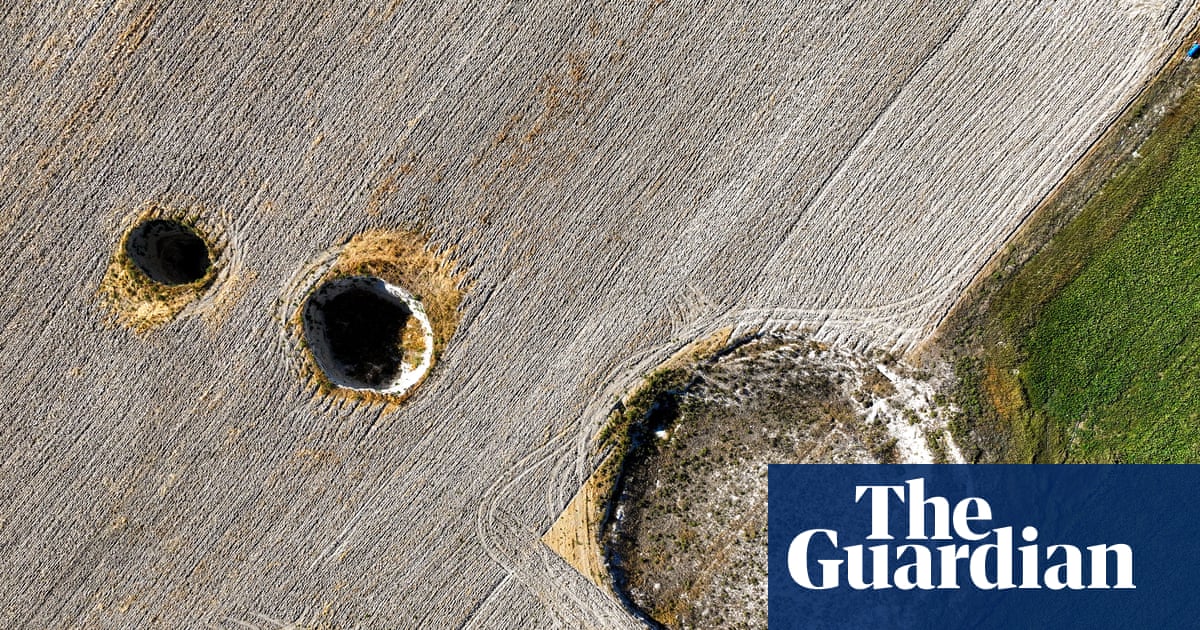
Over-extraction of rivers, lakes, wetlands and aquifers, pollution, agricultural overuse, and climate-driven droughts and melting glaciers are shrinking natural water supplies globally.
More than half of large lakes have lost water since 1990; 70% of major aquifers are in long-term decline; nearly 4 billion people face at least monthly water scarcity.
Report urges adapting to new hydrological limits—transform agriculture, improve irrigation, boost monitoring, cut pollution and protect wetlands and groundwater, requiring political will and long-term planning.
Analysis
Analysis unavailable for this viewpoint.
FAQ
Global water bankruptcy is a permanent, systemic failure where water use exceeds renewable inflows and safe limits, causing irreversible damage to rivers, lakes, aquifers, and other natural reservoirs, unlike temporary crises.
Key stats include: 75% of the global population in water-insecure countries; 4 billion people face severe scarcity at least one month yearly; 70% of major aquifers in decline; over 50% of large lakes lost water since 1990s; 30% global glacier mass loss since 1970.
Hotspots include US Southwest, Middle East, South Asia, Mexico City, and Kabul, with long-term declines since the 1990s accelerating under climate change.
The report urges adapting to new hydrological limits by transforming agriculture, improving irrigation, boosting monitoring, cutting pollution, protecting wetlands and groundwater, with political will for long-term planning and a reset at 2026/2028 UN Water Conferences.