TEPCO suspends Kashiwazaki-Kariwa No.6 reactor hours after restart
TEPCO suspended Kashiwazaki-Kariwa Reactor No.6 hours after restart due to control-rod and alarm malfunctions; operator reported no outside radiation and is further investigating the cause.
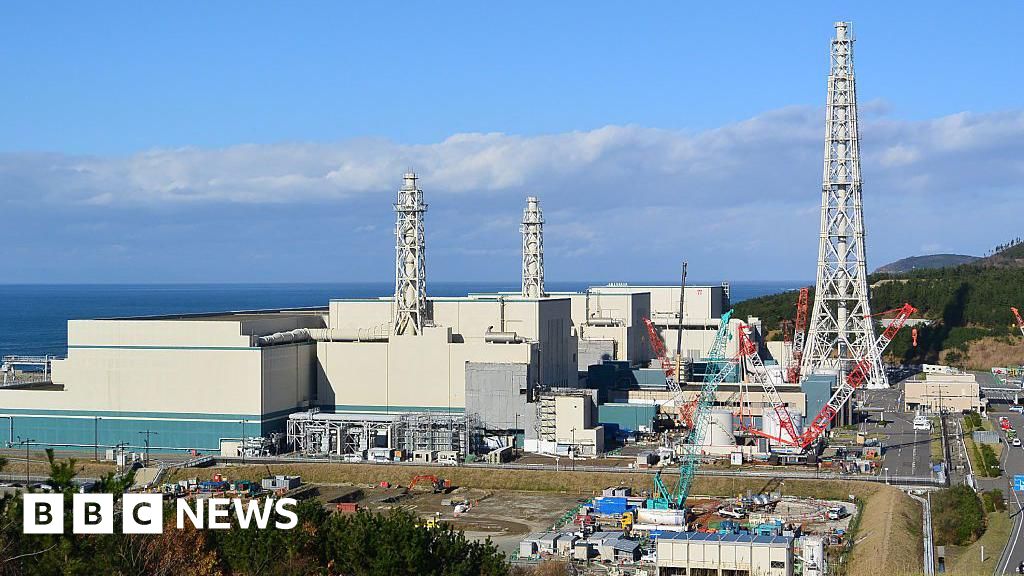
 BBC News
Japan suspends world's largest nuclear plant hours after restart
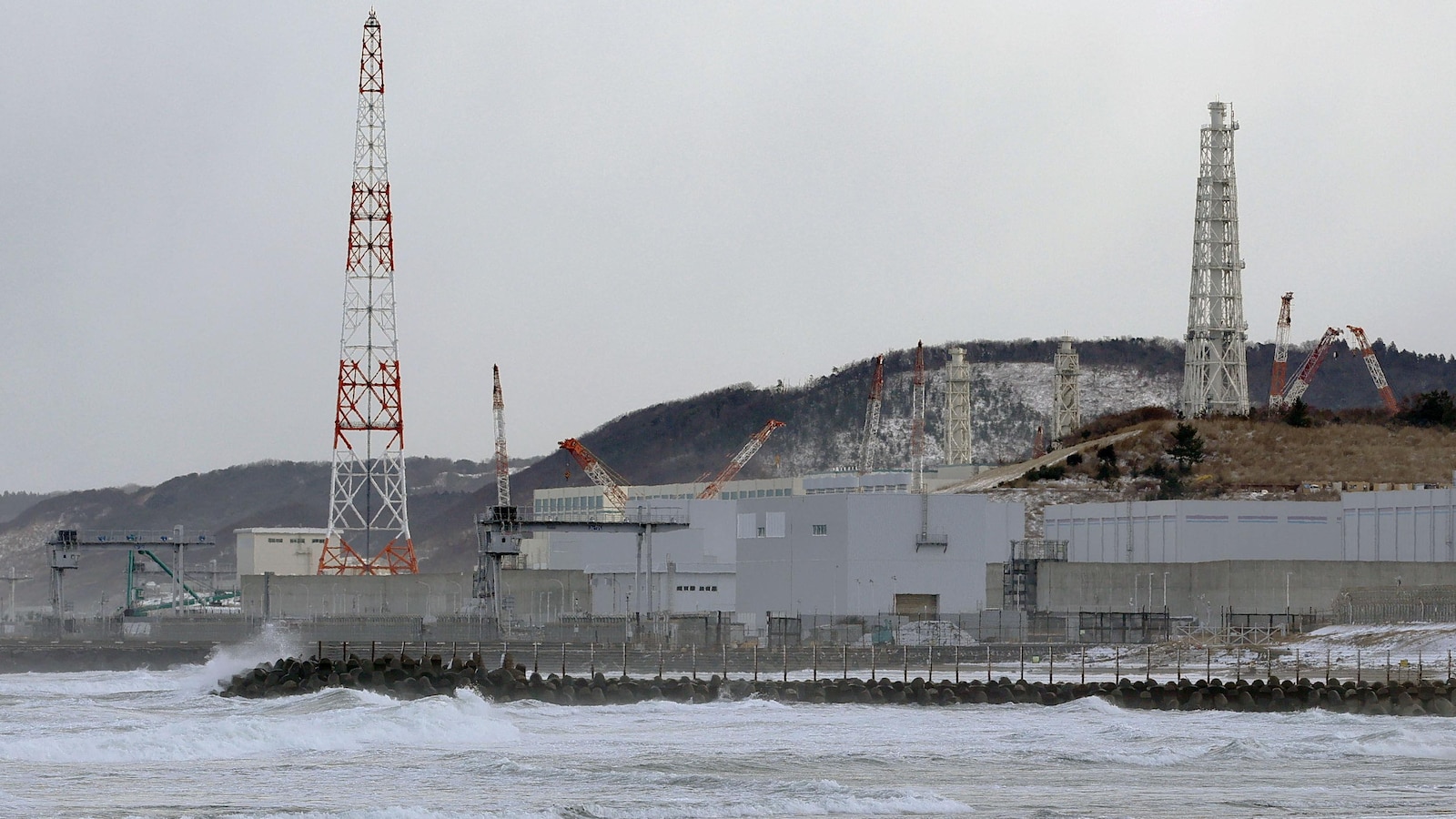
 ABC News
Nuclear reactor owned by Fukushima plant operator TEPCO suspends hours-old restart
 Associated Press
Nuclear reactor owned by Fukushima plant operator TEPCO shut down again hours after restart
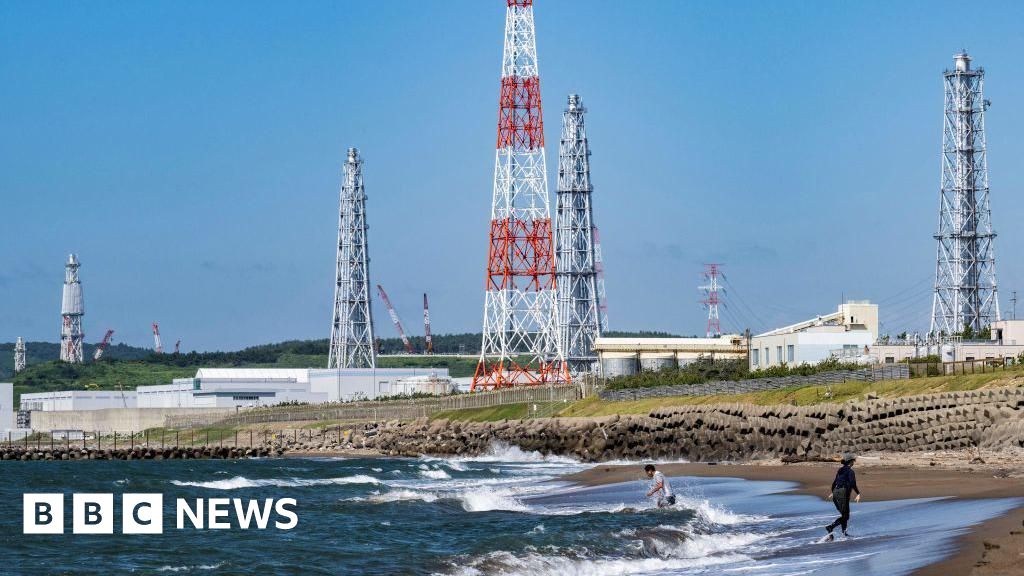 BBC News
Japan restarts world's largest nuclear power plant
Overview
Tokyo Electric Power Company (TEPCO) restarted the No.6 reactor at its Kashiwazaki-Kariwa plant in Niigata, the world’s largest nuclear site, then suspended operations hours later.
An alarm and a control-rod glitch occurred during reactor start-up procedures; TEPCO said the reactor remained stable and there was no detectable radiation release outside the plant.
No.6's restart was the first TEPCO-operated unit brought online since the 2011 Fukushima meltdowns, after Japan shuttered all reactors following that disaster.
The reactor could add 1.35 million kilowatts, enough for over one million households; TEPCO plans limited restarts, with only two of seven reactors likely to resume.
Residents protested over seismic, evacuation and safety concerns; government favors nuclear for energy security and net-zero goals, while critics cite costs and distrust from Fukushima legacy.
Analysis
Center-leaning sources frame the restart cautiously, foregrounding TEPCO's Fukushima history and regulatory failings while juxtaposing utility assurances. Editorial choices—contextual emphasis on cleanup costs, reputation damage, selective placement of reassuring statements, and continued focus on safety mechanisms—produce a skeptical, safety-focused narrative that balances concern with technical detail.
FAQ
The suspension occurred due to an alarm malfunction and a control-rod glitch during startup procedures; TEPCO replaced electrical components but the issue persisted, with no radiation release reported.
The reactor had been offline for nearly 15 years, specifically 13 years and 10 months, since shortly after the 2011 Fukushima disaster.
The reactor has a capacity of 1.35 million kilowatts, enough to power over one million households.
TEPCO plans limited restarts, with only units 6 and 7 likely to resume operations out of seven, prioritizing unit 6; commercial operation for unit 6 is targeted for late February.
Residents protested over seismic risks, evacuation challenges, safety issues, and distrust stemming from the Fukushima disaster legacy.

